 In this area
The Manchester issue
Ancoats, Manchester: the mill district that learned to dine
From cotton mills and canal basins to Michelin stars and natural wine, Ancoats is Manchester’s most convincing regeneration story — and its best place to eat.

By Priya BasraHow Manchester goes out
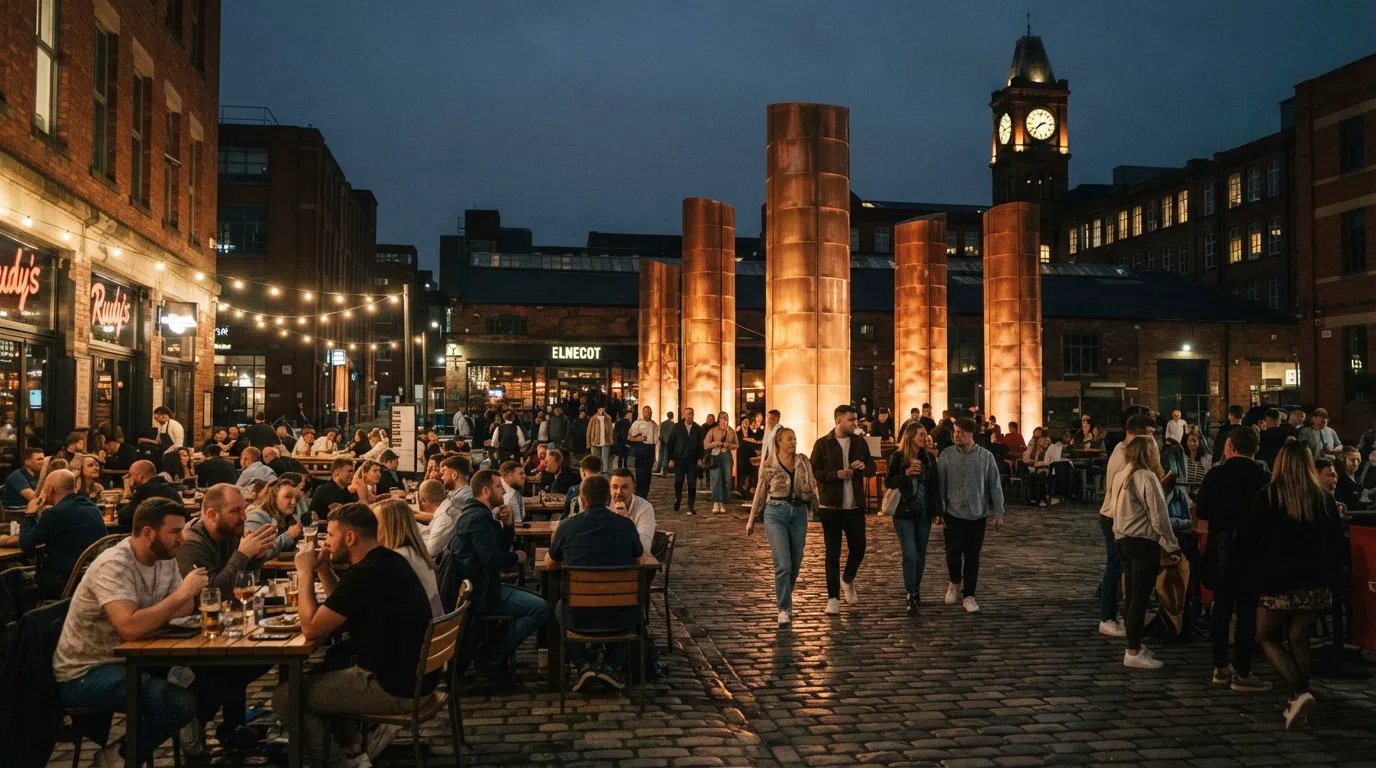
Two centuries ago, the brick giants around Cutting Room Square were doing the heavy lifting for Manchester, spinning cotton and coughing smoke into a district Friedrich Engels was happy to call the worst slum in England. Now the same streets are where you book six weeks ahead for dinner, queue for sourdough, and linger over orange wine while festoon lights blink on above the square. Ancoats has done the rare thing: it has kept the bones and improved the life inside them.
What Ancoats is known for
Ancoats’ story is written in brick, and it starts with industry rather than charm. Built up from the 1790s around the Rochdale Canal, with Murray’s Mills on Union Street dating to 1798, it became the world’s first industrial suburb — a hard-edged place of mills pressed against back-to-backs, then one of the most crowded districts in Manchester by 1815. Irish and later Italian migrants shaped the area too; for years the eastern fringe was known as Little Italy, which feels perfectly in keeping with a neighbourhood that still understands the value of a good loaf, a good espresso and a good argument about dinner.
The decline came as brutally as the rise. Slum clearances and depopulation after the war emptied much of the district, and for a while Ancoats looked like a place that had been left behind by its own history. The revival, from the 1990s onwards, was not a cosmetic wash. Developer Urban Splash rebranded the southern edge New Islington, surviving mills were listed and converted, and the food scene moved in with real intent. That is why Ancoats feels different from a lot of city-centre regeneration: it isn’t pretending to be old, because it actually is old, and the iron columns and red brick keep the gloss from floating away.
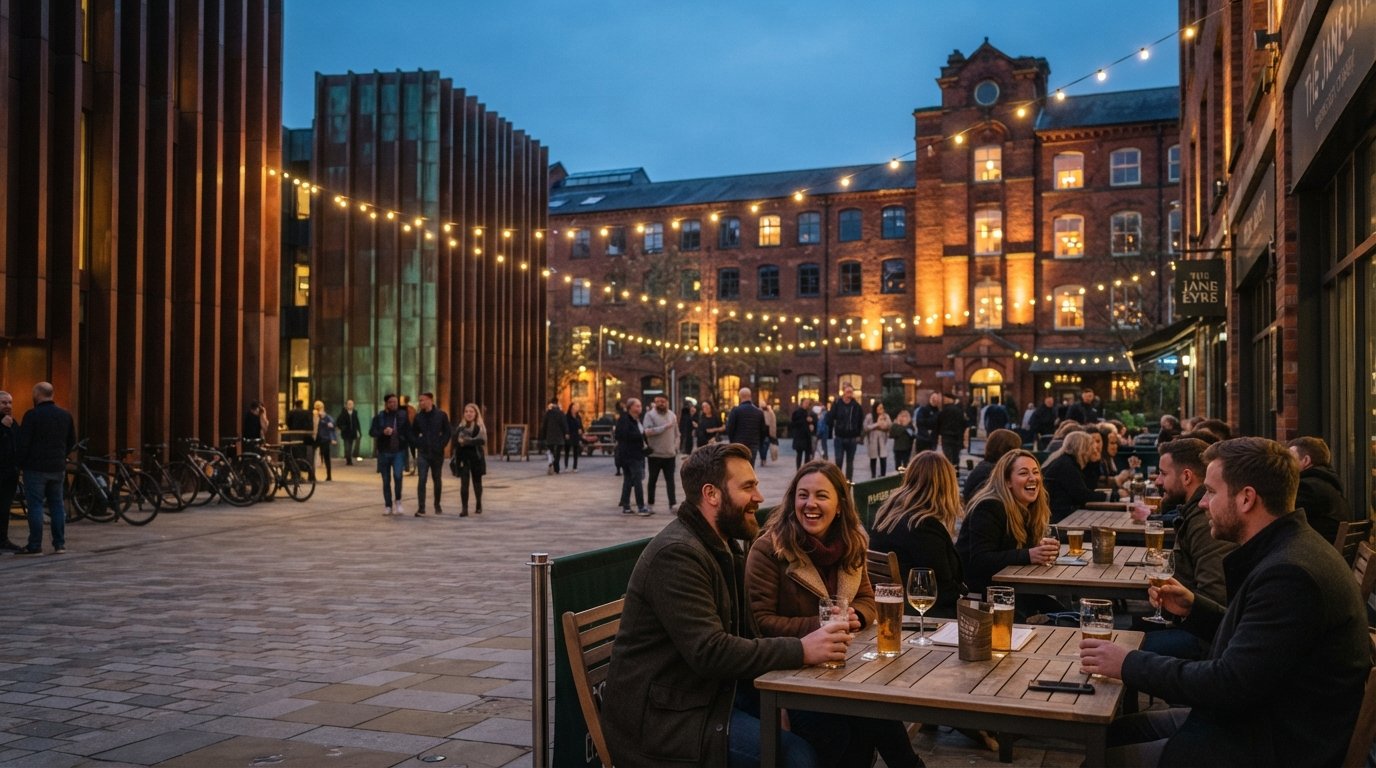
The centre of gravity is Cutting Room Square, named for where cotton bales were once cut, now pedestrianised and planted, with five weathered copper monoliths and mature trees presiding over café tables instead of looms. The square is the neighbourhood in miniature: polished but not sterile, chic without being chi-chi, and busy with the sort of people who book ahead and mean it. On a Friday night it’s all chatter, wine glasses and the smell of Neapolitan crust, with Hallé St Peter’s on one side and the mill conversions of Blossom Street, Murray Street and Jersey Street radiating out like spokes.
What makes Ancoats itself is density. You can eat a tasting menu, drink a bottle of something obscure and buy a cruffin within a hundred metres. That’s the pitch, and unusually, it holds.
Plan your Manchester trip
Live prices from our booking partners.
Guests & rooms
Free cancellation on many rooms. We may earn a commission when you book.
Where to eat & drink
This is the reason to come, and the reason people keep coming back. Mana on Blossom Street is the headline act: Simon Martin’s tasting-menu restaurant, which won Manchester’s first Michelin star in over four decades in 2017 and still holds it in the 2026 guide. The cooking is foraged, fermented and hyper-seasonal British food at serious price, the kind of place where the plates arrive looking like they’ve been argued over by a botanist and a jeweller. It is not dinner so much as a thesis, and that is meant as a compliment.
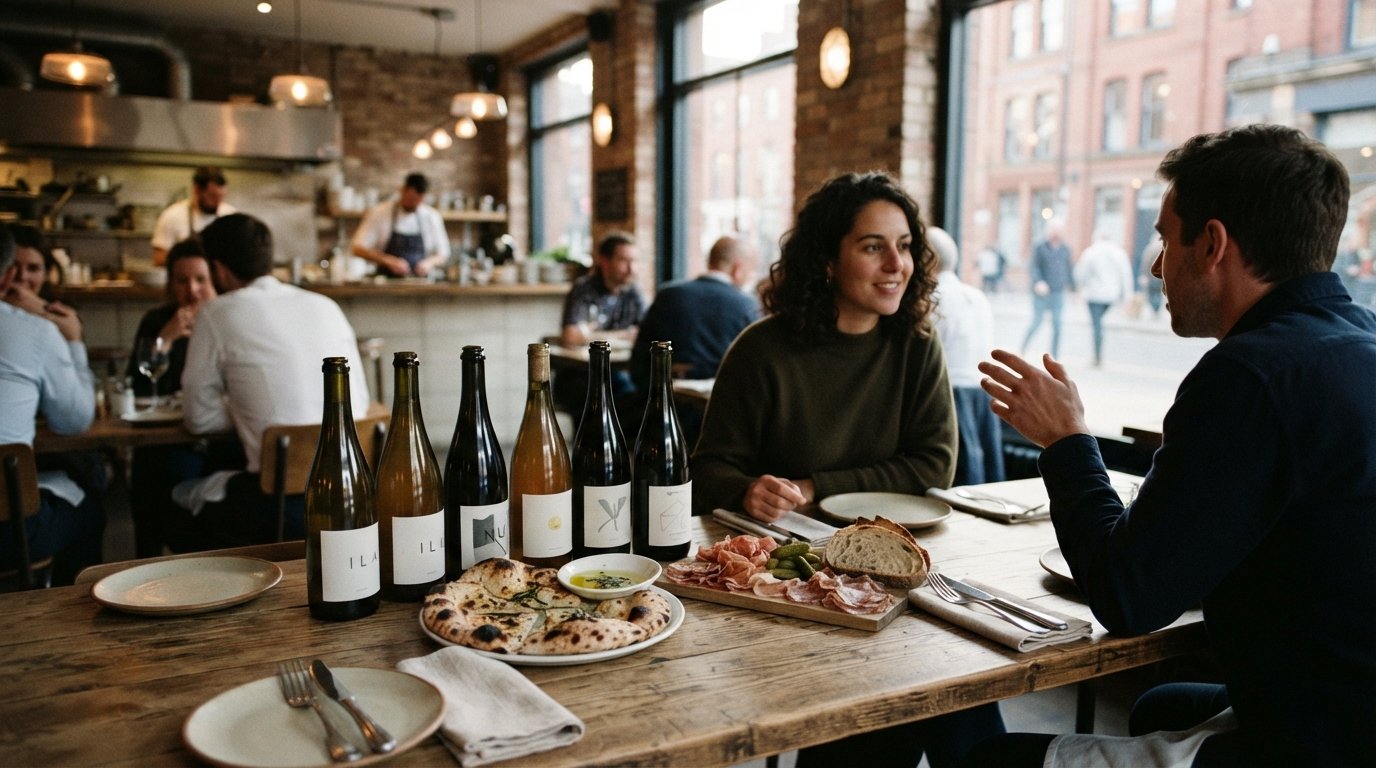
A few doors down, Erst is the everyday hero. On Murray Street it strips things back to natural wine and small plates, with a Michelin Bib Gourmand to its name and a menu that has earned its reputation the unshowy way: charred flatbreads, Northern Cure charcuterie, a cuttlefish risotto with real depth. It’s the kind of room where the bottle list can wander off into the interesting end of the map, and the staff are happy to take you there. If Ancoats has a signature move, it is this combination of serious cooking and no-nonsense service.
Around Cutting Room Square, the options stack up fast. Elnecot does British small plates, brunch and enormous Sunday roasts, which makes it useful in the way good neighbourhood restaurants should be useful. Canto, from the El Gato Negro tapas team, leans Mediterranean and keeps the mood lighter, better for sharing plates than for making a grand declaration. Rudy’s, on Cotton Street by the square, is the original 2015 site of one of the North West’s most loved Neapolitan pizzas, and still turns them out at kind prices. That matters in a district that can skew spendy; Rudy’s is the pressure valve.
For pasta, Sugo Pasta Kitchen on Blossom Street is the move. The house ragù — slow-cooked beef shin, pork shoulder and ’nduja — is the sort of thing that makes you stop talking for a minute, which is usually the best review. Near the square, NAM does a smarter, cocktail-led take on modern Vietnamese with Asian beers, which gives the neighbourhood a little more range than the obvious pasta-and-pizza circuit.
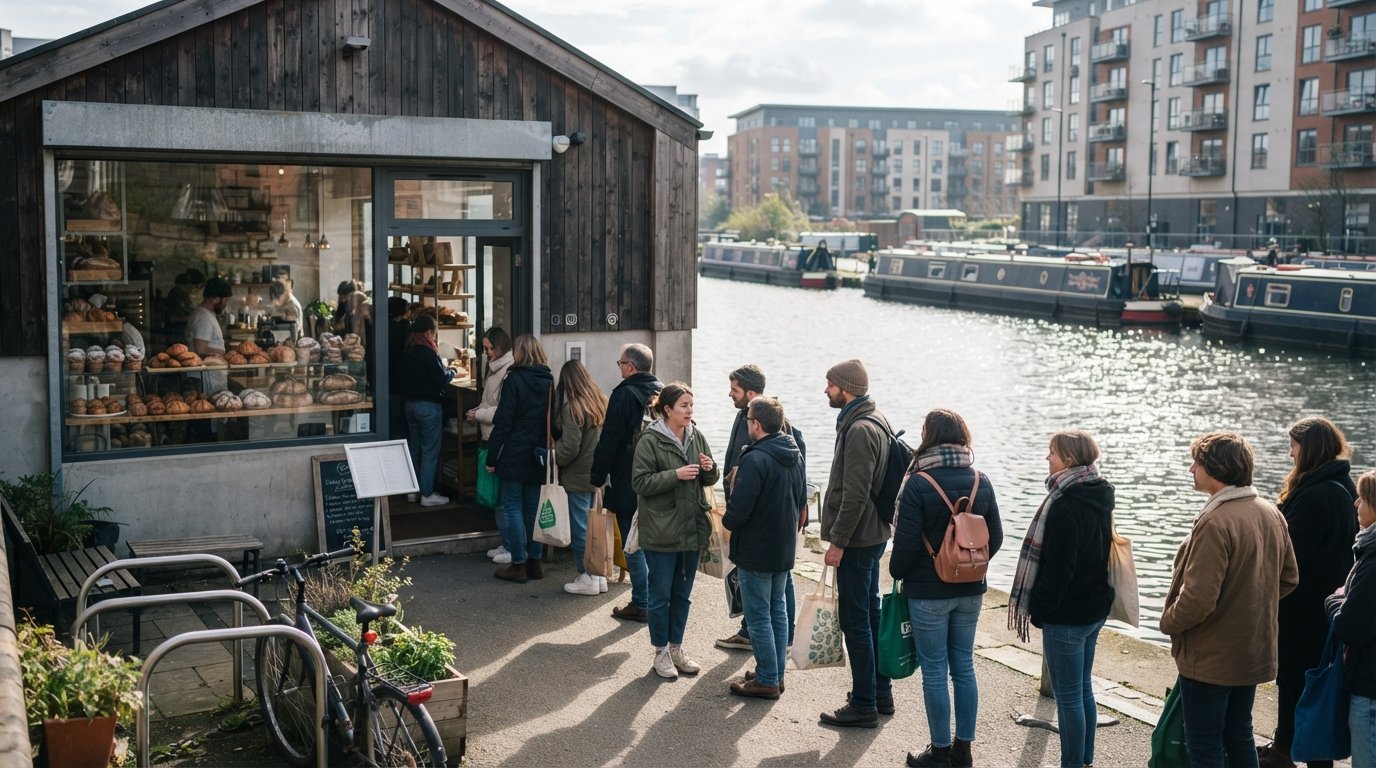
And then there are the bakeries, which are practically a second religion here. Pollen, overlooking New Islington Marina, is cult for a reason: cruffins and pastries that sell out by lunchtime, so go early and do not expect fate to save you. Trove on Murray Street is the steadier local, all sourdough and all-day brunch. Together they explain why Ancoats can feel like a food district where even breakfast has a booking culture.
Going out
Ancoats does its drinking the grown-up way. No one comes here expecting a pile-up of bass and a late taxi queue; this is a long-dinner district, a wine-bar district, a place for one more glass rather than one more room. That doesn’t make it dull. It just means the energy is more measured, and, frankly, more grown-up than a lot of Manchester’s night economy.
KERB on Henry Street is the natural-wine bottle shop and bar that tells you exactly what kind of evening you’re in for. The room is peach-pink, there are 150-odd wines to drink in or take away, and the staff are WSET-trained, which is useful if your idea of fun is being pointed towards something obscure and excellent. It’s the kind of place that makes you feel slightly more informed than you were 20 minutes earlier.
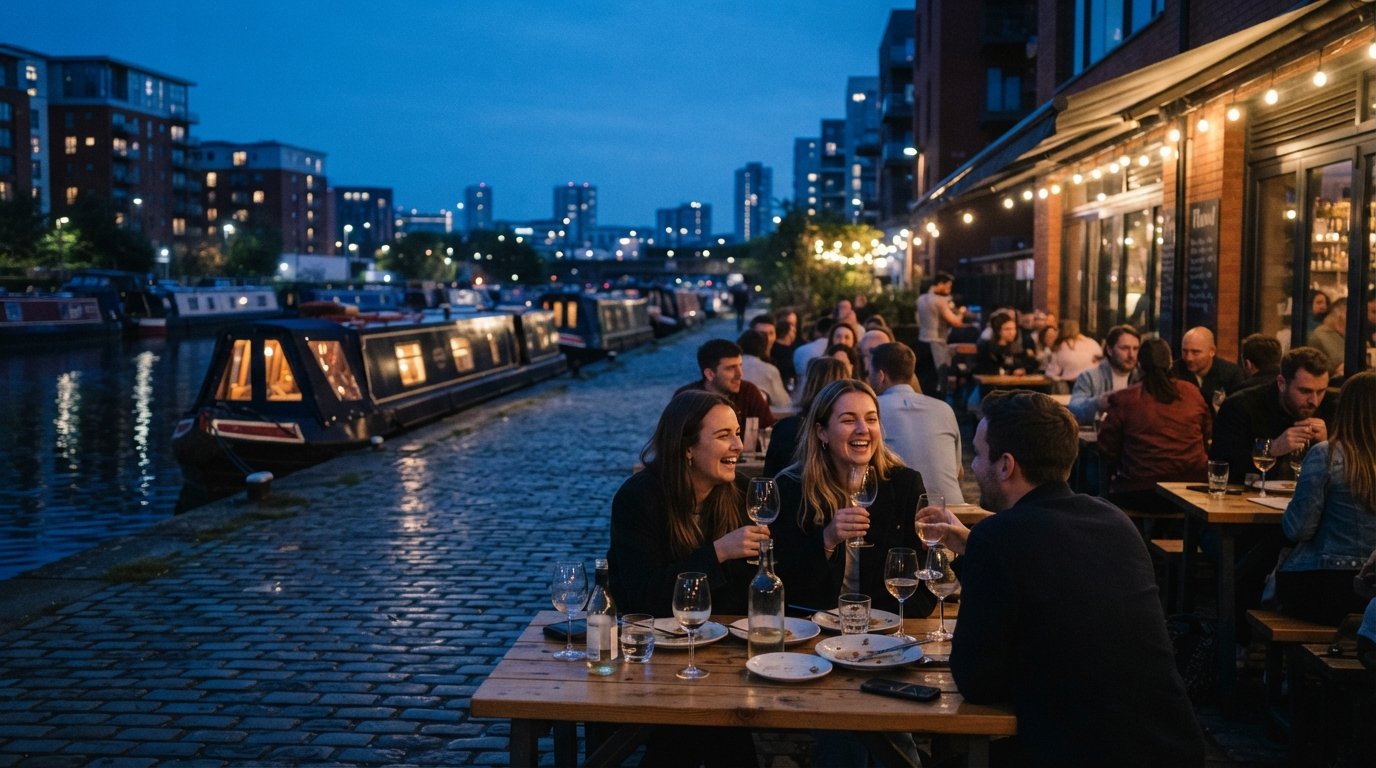
Flawd, down at New Islington Marina, brings the water into the equation. It’s a waterside natural-wine bar with a genuinely good kitchen and a terrace over the boats, which is about as persuasive a setting as Ancoats can offer after dark. Blossom Street Social is the looser all-rounder — wine, craft beer, rotating pop-up chefs and weekend DJs — and Seven Bro7hers, off Blossom Street, keeps a brick-lined taproom pouring its own beers for people who prefer hops to oak.
If you want a proper pub, The Edinburgh Castle on the corner of Blossom and Henry Streets has been trading since 1811, rescued from dereliction in 2019 and now an award-winning gastropub with Bangkok Diners Club upstairs. That combination is exactly the sort of thing a regenerated neighbourhood should be able to pull off without winking too hard. The Crown and Kettle, on Great Ancoats Street, is the old grand dame: Grade II-listed, ornate Gothic ceiling, and enough presence to make the road outside feel like a bad idea.
The honest caveat is that Ancoats is not a club district. Come here for the table and the bar, not for a big late-night dancefloor. The serious late-night noise still lives over in the Northern Quarter and beyond.
Things to do / what to see
Ancoats rewards a slow wander more than a tick-list. Start at Cutting Room Square and read the district off its edges: the copper monoliths, the mill facades, the planted public realm, and Hallé St Peter’s, the deconsecrated 1859 church that the Hallé orchestra rebuilt into its main rehearsal and recording home. You usually can’t drop in on a rehearsal, which is half the point — the building still feels like a working instrument rather than a museum piece. The Oglesby Centre extension holds the Victoria Wood Hall and a public café-bar, and the venue runs a programme of concerts worth checking if you’re the sort of person who likes your evening plans with a bit of acoustics.
Hope Mill Theatre on Pollard Street is another reminder that Ancoats does culture without fuss. It’s a Grade II-listed former mill, opened in 2015 and named a fringe venue of the year, and it punches well above its size with musicals and new writing. That mix — old shell, new use, no self-pity — is basically the neighbourhood’s operating system.
Don’t miss in Ancoats
Cutting Room Square, the social heart of the neighborhood lined with outdoor dining.
Ancoats Marina, a peaceful canal basin perfect for morning walks.
The historic Royal Mill, a preserved monument to the cotton industry.
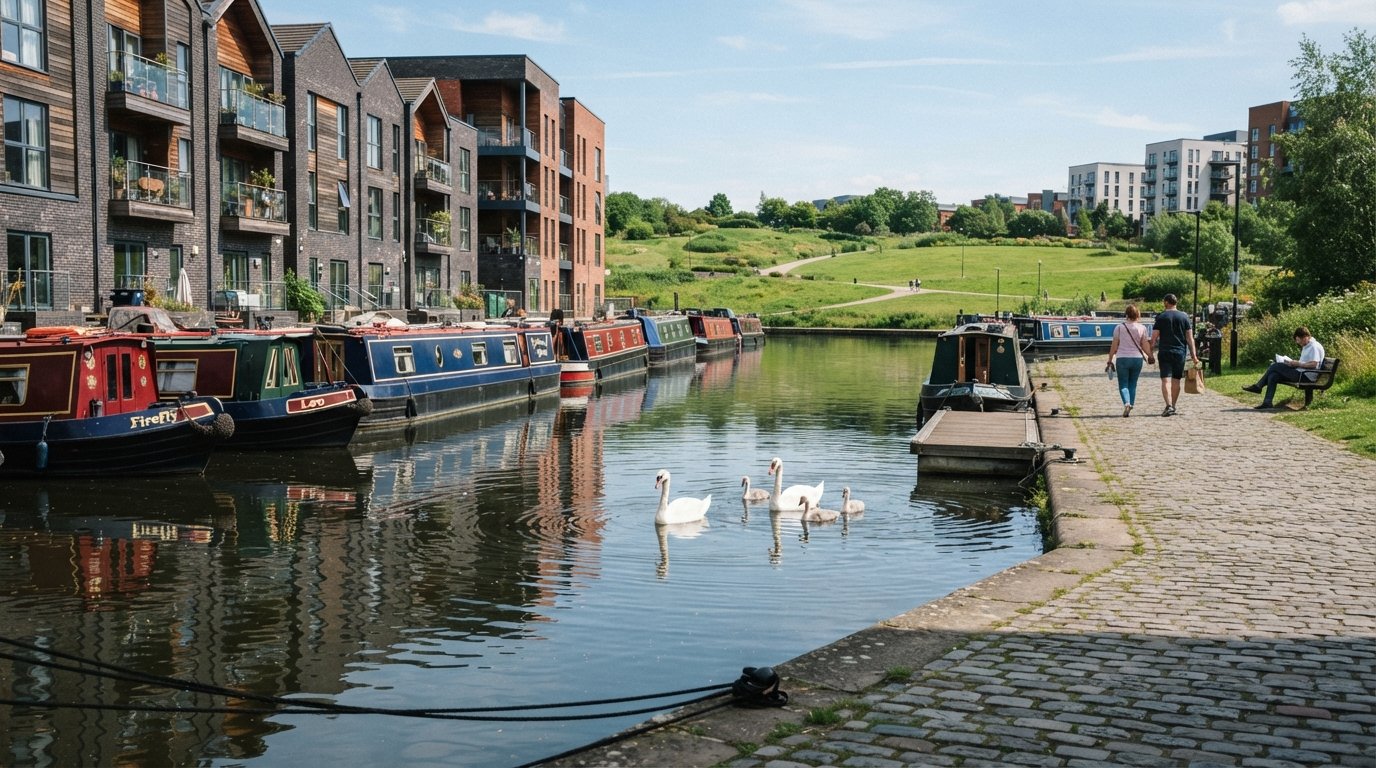
The best free thing to do is walk the water. From Cutting Room Square it’s only a few minutes east to New Islington Marina, a genuinely pretty basin of canal boats, swans and waterside terraces, with Cotton Field Park beside it if you want a pocket of green. From there, pick up the Ashton and Rochdale canal towpaths and you can stroll all the way back to Castlefield’s Victorian viaducts in under an hour, flat and off the road the whole time. That’s one of the pleasures of staying in Ancoats: you can have a proper urban break without feeling trapped by traffic.
Ancoats Green is the newest piece of the puzzle, reopened in May 2025 as part of the regeneration. It’s a proper piece of public parkland where there used to be car parks, which is the sort of sentence that would sound like planning jargon anywhere else, but here it lands as a small civic victory.
Shopping & markets
Ancoats is not a shopping district in the high-street sense, and that’s part of the appeal. There’s no mall, no parade of big-name chains, no reason to pretend otherwise. What it does have is the small, specific and edible. The obvious buys are bottles from KERB and Flawd, warm loaves and pastries from Pollen and Trove, and sourdough sandwiches from the tiny Companio bakery on Radium Street.
The mill conversions have also filled their ground floors with independent lifestyle and design shops, plant and homeware boutiques and the odd gallery space, mostly clustered around Blossom Street, Jersey Street and the Cutting Room Square edges. It is the sort of browsing that works best between coffee and dinner, when you have nowhere urgent to be and a tote bag to justify.
If you want a full market and proper retail, cross Great Ancoats Street into the Northern Quarter, where Afflecks, the record shops and the vintage stores live. Ancoats and its neighbour are best treated as one continuous browse, separated by a road and not much else.
Where to stay in Ancoats
Ancoats makes a stylish, food-led base for a short Manchester break, and the accommodation fits the district rather than fighting it. You’re looking at converted-mill boutique stays and aparthotels rather than big chain towers, most of them within a couple of minutes of Cutting Room Square. That matters, because the point of staying here is not merely to sleep nearby; it’s to step out into the neighbourhood you came for.
The Blossom Street and Cutting Room Square core puts you in the thick of the eating and drinking, which is ideal if your trip is built around reservations and late-ish dinners. The New Islington and marina side is a few minutes east, quieter and prettier, with water views and more calm at night. The newer towers around New Islington skew toward serviced apartments and make sense for longer stays. Overall, the price feel is mid-range to upper-mid: you’re paying for a design-led room in a genuinely desirable district, though it is still cheaper than staying deep in the city-centre core. It is also residential enough to be peaceful once the restaurants close, which is a blessing after a long lunch.
Hotels in Ancoats
Our best-rated stays in this neighbourhood. Prices are approximate “from” rates — confirmed at the provider when you continue. We may earn a commission if you book through our partners — at no extra cost to you.
In this area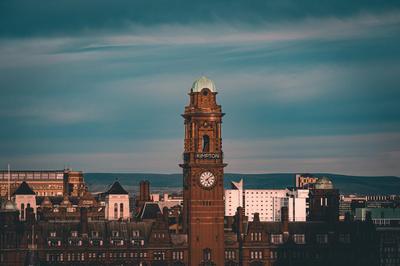 In this area
 In this area
 In this area
 In this area
 In this area
 In this area
Ancoats
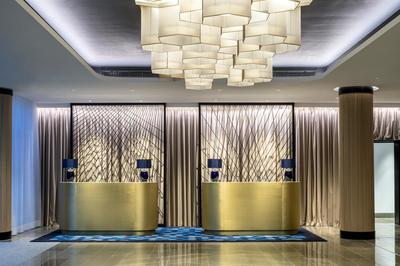
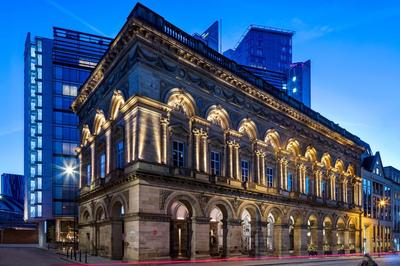
The Edwardian Manchester, A Radisson Collection Hotel
8.9· 13,816 reviews
approx. from£251 / nightSee prices
 In this area
 In this area
Ancoats
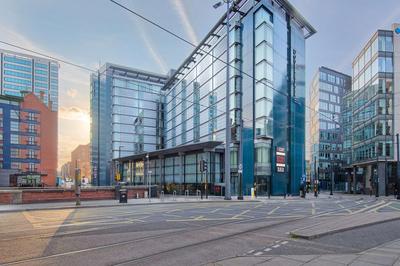
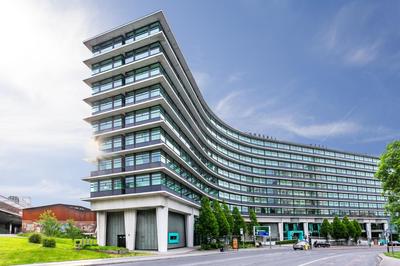
DoubleTree by Hilton Manchester Piccadilly
8.6· 3,569 reviews
approx. from£161 / nightSee prices
 In this area
 In this area
Ancoats
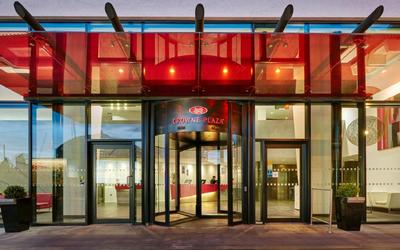
Crowne Plaza Manchester City Centre by IHG
8.7· 9,589 reviews
approx. from£127 / nightSee prices
 In this area
Ancoats
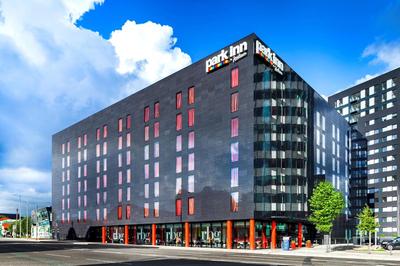
Radisson Hotel Manchester City Centre, A Verified Net Zero Hotel
8.4· 3,694 reviews
approx. from£176 / nightSee prices
Getting around
Ancoats is small and flat, so walking is the honest answer for getting around it. The core from square to marina is about ten minutes end to end, and that’s really the best way to understand the place: on foot, with time to look at the brickwork and the canal edges and the way the district changes from dinner-hour buzz to residential quiet in just a few streets.
For arriving and leaving, New Islington Metrolink sits right in the district on the East Manchester and Ashton lines, roughly three minutes from Manchester Piccadilly, which is itself only about a ten-minute walk away. Manchester Victoria is similarly close by tram or on foot to the north-west. Great Ancoats Street is the one barrier, a busy multi-lane road that separates you from the Northern Quarter, so use the crossings rather than trying to be heroic. Once across, the Northern Quarter, Piccadilly Gardens and the city-centre core are all five to ten minutes away.
For the airport, take the tram or walk to Piccadilly and pick up a direct train to Manchester Airport, which takes about 20 minutes, or stay on the Metrolink Airport line for the full run, which is more like 50 to 60 minutes. Cycling is easy on the flat canal towpaths, and taxis and ride-hailing are quick given how central the whole district is.
Ancoats works because it has remembered what it was and made something better out of it. The mills are still there. So are the canals, the brick, the sense that this is a real piece of Manchester rather than a theme. But now the square is planted, the wine lists are serious, the bakeries are destination-worthy, and the old industrial heft has been turned into a neighbourhood you actually want to spend time in. Manchester has plenty of places to go out. Ancoats is where it now goes to eat.
Gallery
Ancoats in pictures
Ancoats — your questions
Is Ancoats a good area to stay in Manchester?
Yes — especially if food is your priority. It’s central, walkable and packed with excellent restaurants, wine bars and bakeries, while the Northern Quarter’s nightlife is only five minutes away across Great Ancoats Street. It’s calmer and more residential than the city-centre core, so it suits couples and food-led short breaks. The trade-off is that it leans mid-to-upper price and it’s much more about dinner than big nights out.
What is Ancoats famous for?
Two things: its history and its food. Ancoats was the world’s first industrial suburb, built around cotton mills from the 1790s, and its red-brick mills have since been converted into one of the UK’s most talked-about dining districts. It’s home to Mana, Manchester’s Michelin-starred restaurant, the Bib Gourmand wine bar Erst and cult bakery Pollen, which is why it keeps turning up on cool-neighbourhood lists.
Do I need to book restaurants in Ancoats in advance?
For the headline places, yes. Mana books out weeks ahead, and popular spots around Cutting Room Square — Erst, Elnecot, Canto and Sugo — can fill fast at weekends, so reserve early. Bakeries like Pollen and Trove, and pizza at Rudy’s, are more walk-in friendly, though Pollen’s pastries can sell out by lunchtime.
What’s the best way to get around Ancoats?
Walk. The area is small and flat, and the core from Cutting Room Square to New Islington Marina is only about ten minutes end to end. New Islington Metrolink is right in the district, Piccadilly is about a ten-minute walk away, and the Northern Quarter is just across Great Ancoats Street.