The Manchester issue
A Guide to the Music Scene in Manchester
From acid-house warehouses to a chapel turned gig room, here is how to spend a music-led trip in the city that never quite stopped inventing British pop.

By Jonas VeldkampMills, canals and the free museums
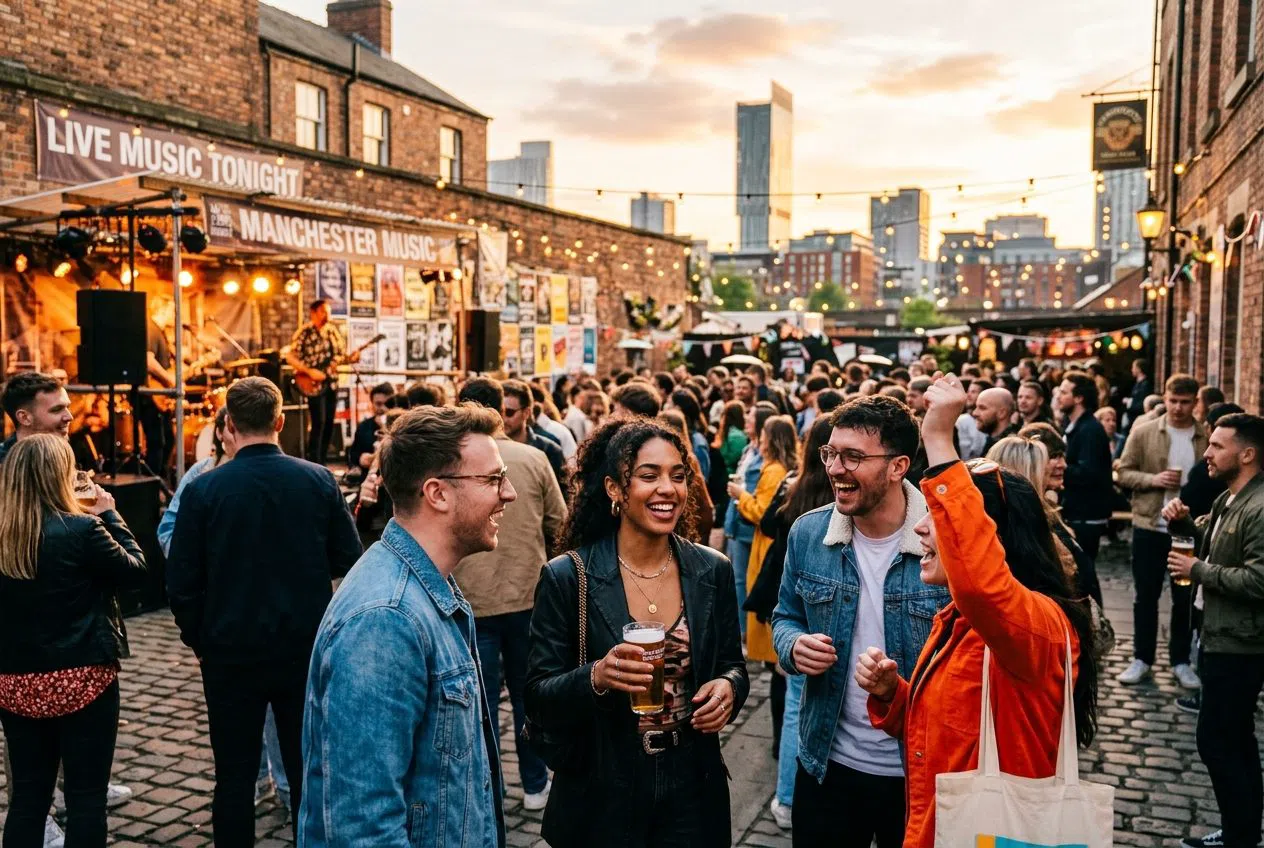
No British city has argued with its own music more productively than Manchester. The mills that made it rich left behind cheap rehearsal space and a grey, rain-slicked seriousness that curdled, again and again, into song — Joy Division out of the post-industrial cold, the Haçienda out of Factory Records' idealism and bad accounting, the Stone Roses and Oasis out of the swagger that filled the vacuum. Come here for the music and you are not chasing a museum; you are stepping into a living circuit of rooms, most of them small, several of them world-famous, that still take the whole thing personally.
What follows is a plan, not a listicle. The city's venues fall into a few honest categories — the underground clubs where you go for the DJ and nothing else, the mid-size rooms that are the beating heart of a normal gig-going week, the heritage stops that are pilgrimages as much as nights out, and the big arenas for when a genuine headliner is in town. Below, I've grouped them the way you'd actually use them across a long weekend, with straight talk about which suit a couple, which suit a group of eight, and which will leave you queuing in the rain if you turn up late.
The clubs: where the city's reputation was made
Manchester's international name still rests, more than on anything else, on dance music, and the modern flagship is The Warehouse Project (Depot Mayfield, behind Piccadilly station). This is not a permanent nightclub but a season — it runs from September through New Year's Eve inside a cavernous former railway depot, booking the biggest names in electronic music across a run of individual event nights. Tickets are general admission, so there is no table to reserve and no bottle-service theatre; you buy in, you walk in, you dance. That democratic setup makes it superb for a group, but it comes with a catch: the marquee nights sell out in minutes. If a WHP night is the centrepiece of your trip, decide your date and buy together the moment tickets drop, because there is no leisurely second chance. Expect to pay roughly £25 to £65 depending on the lineup, and expect a proper club night — long, loud, and worth building the rest of your itinerary around.
For the connoisseur's end of things, Hidden (a warehouse space out toward Ancoats/north of the centre) is the serious dancefloor away from the tourist strip. A former DJ Mag 'Best Club' winner, it balances global headliners with local selectors on mostly Friday and Saturday house and techno nights. It's general admission and group-friendly, tickets usually £12 to £30, and the crowd is there to dance rather than to be seen — which is precisely the point.
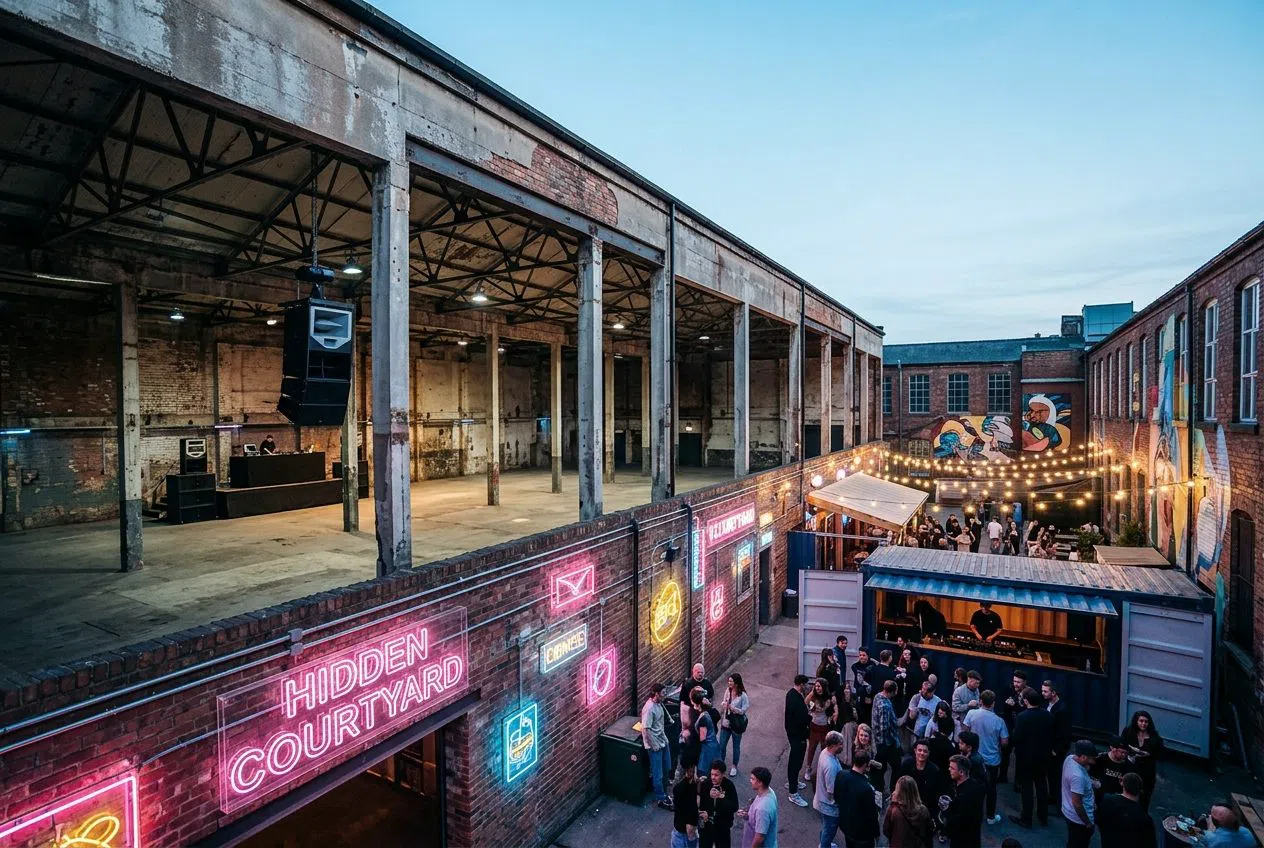
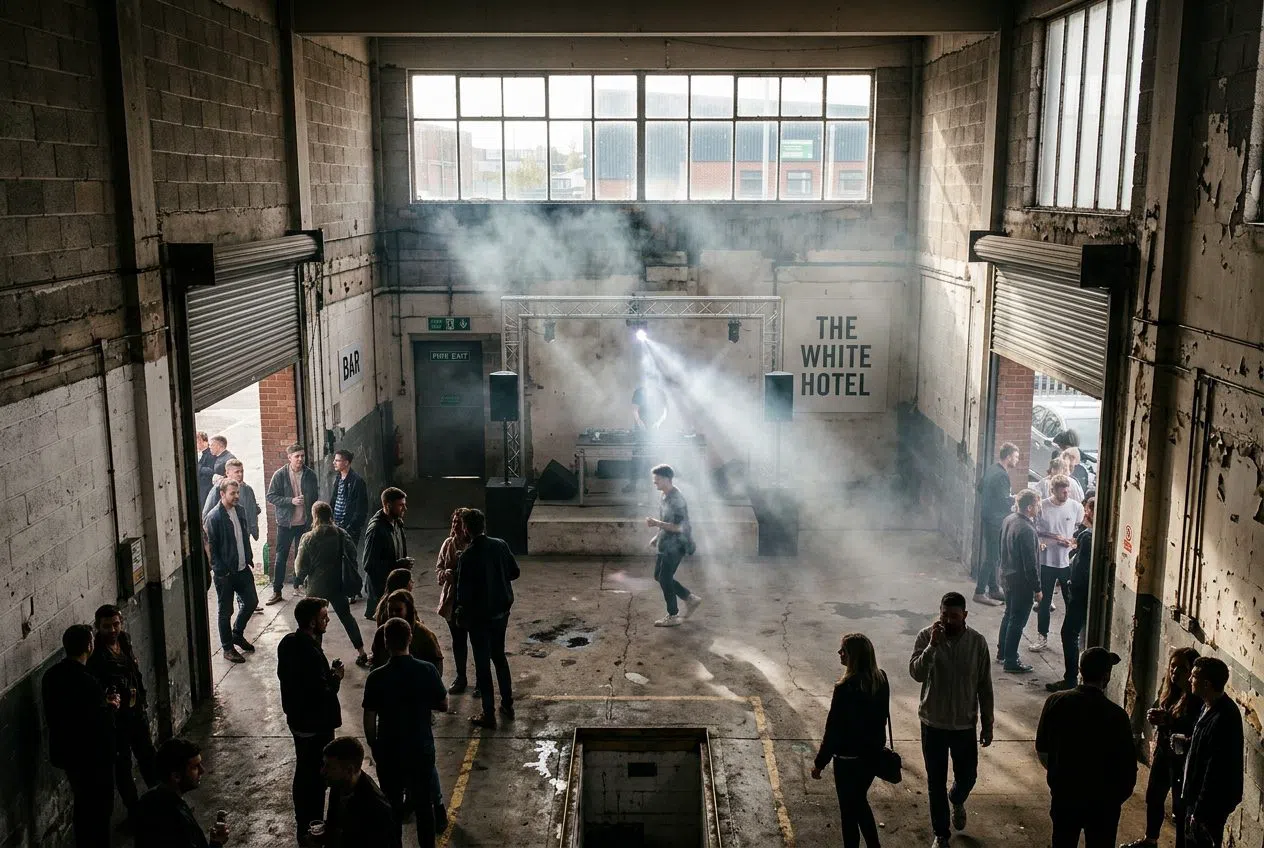
The cult choice, and the one with a countdown clock on it, is The White Hotel (Salford, in an ex-garage a short ride from the centre). World-renowned among people who follow underground clubbing, it runs on a DIY ethos: a no-nonsense door, a devoted crowd, and a booking policy that cares about the music and nothing about VIP comfort. Go for the programme, not for pampering. It suits small groups and solo heads far better than a big stag party, and there's real urgency now — the venue has announced it will close for good in January 2027, so a 2026 visit may be one of your last chances to say you were there.
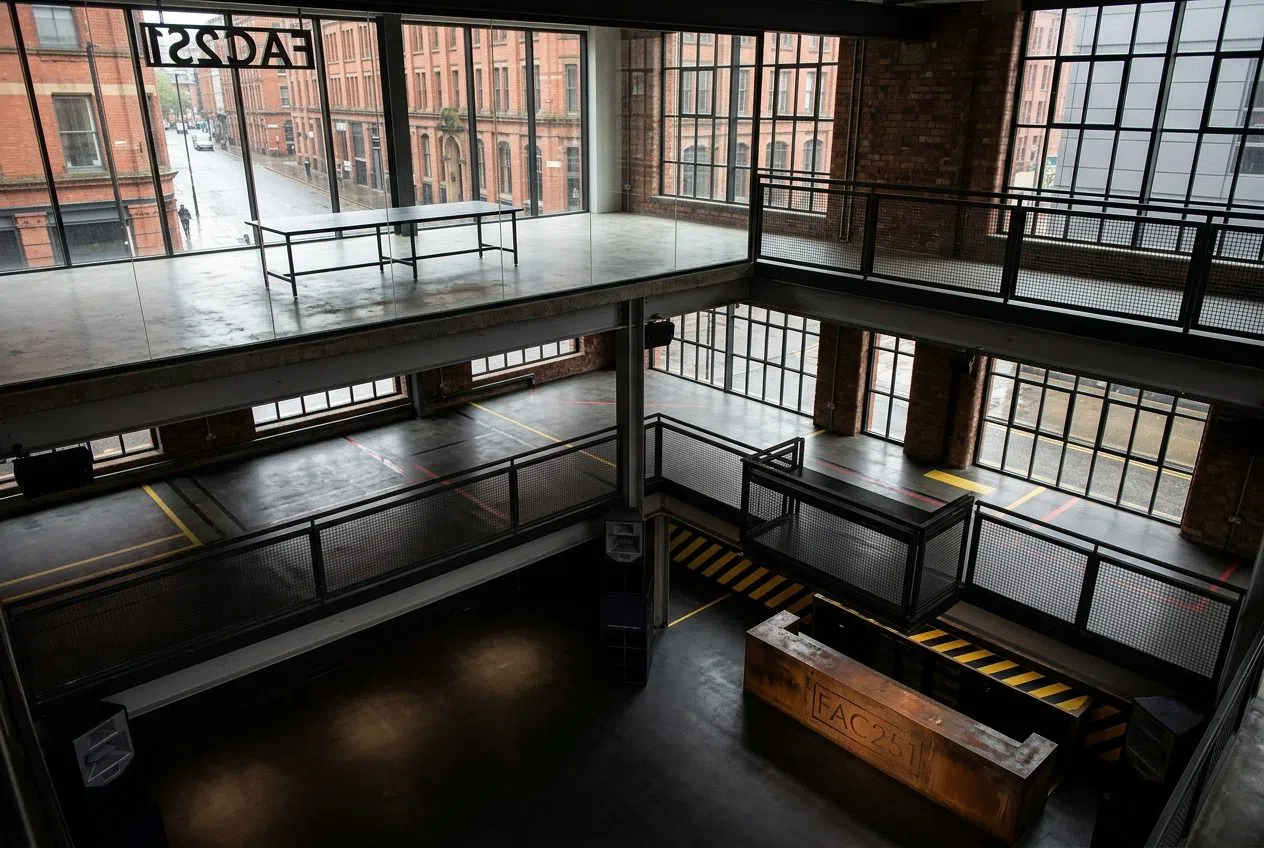
At the opposite end of the spectrum, both in intent and in ticket price, is FAC251: The Factory (Princess Street, city centre). Housed in Tony Wilson's old Factory Records building, it trades more on heritage than on cutting-edge bookings: three floors, a student-leaning crowd, and cheap drinks. Treat it as a pilgrimage with a dancefloor attached rather than a tastemaker's night out. Entry is a few pounds, drinks are budget, and it's very forgiving of a large, boisterous group — which is exactly the wrong thing to say about the previous three, and exactly the right thing here.
Plan your Manchester trip
Live prices from our booking partners.
Free cancellation on many rooms. We may earn a commission when you book.
The mid-size rooms: the real weeknight Manchester
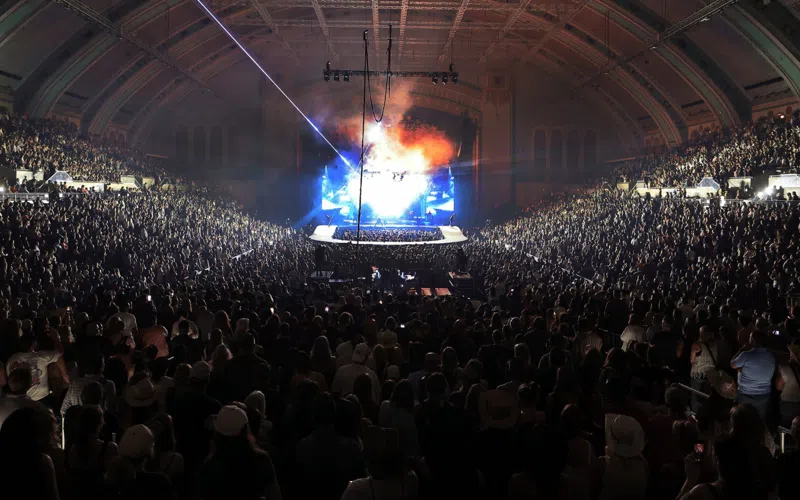
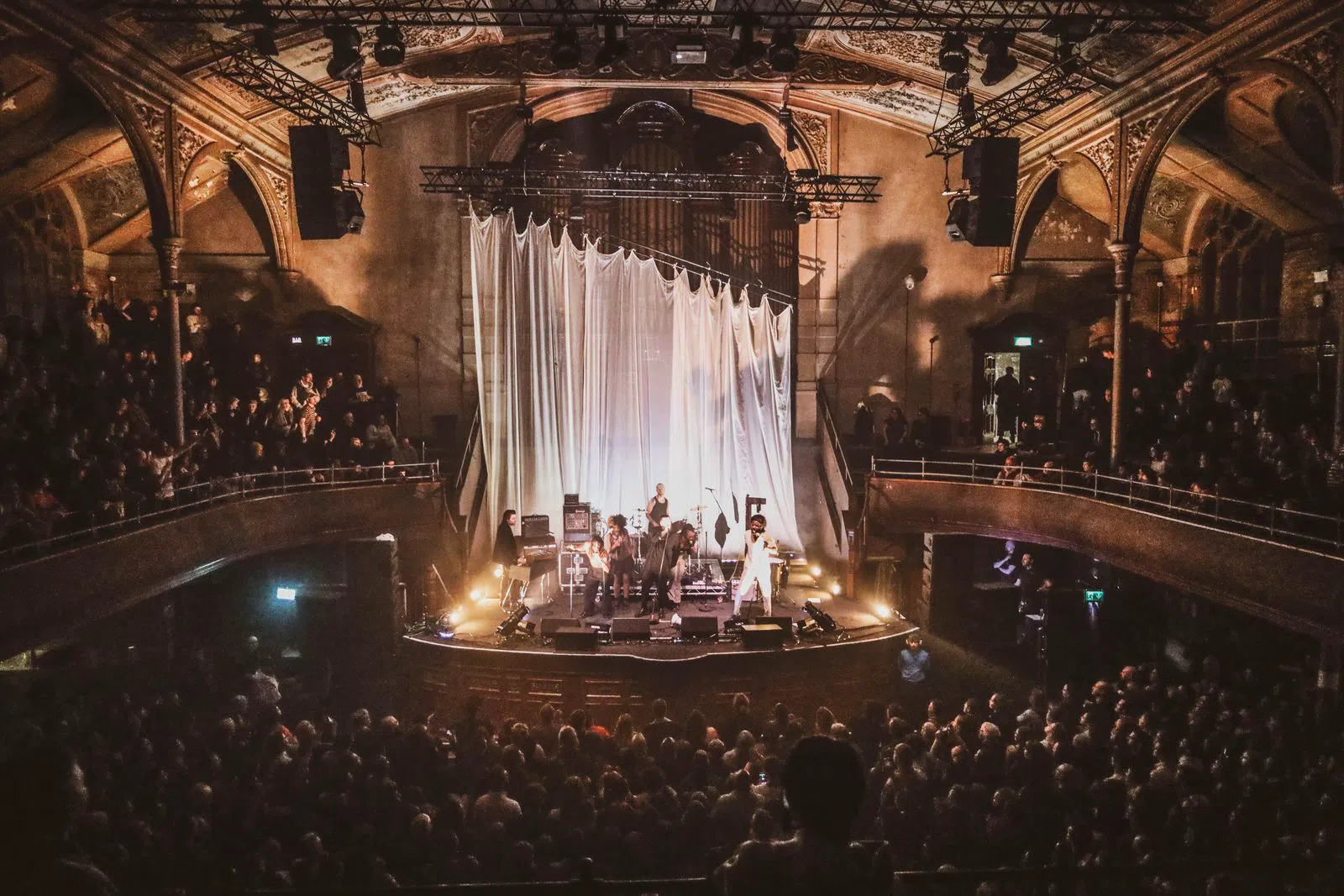
If the clubs are the reputation, the mid-size venues are the day-to-day reality — the rooms where a music-loving local actually spends their week, and where you should too. Start with Albert Hall (Peter Street, just off the centre), one of the most atmospheric mid-size rooms in the country. It's a former Wesleyan chapel, and the first time you look up at the vaulted ceiling mid-set you understand why bands talk about it the way they do. Programming leans indie, electronica and crossover acts. It's mostly standing with a seated balcony, tickets around £20 to £40, and it fills fast — arrive together and early if your group wants to stay in one piece near the front.
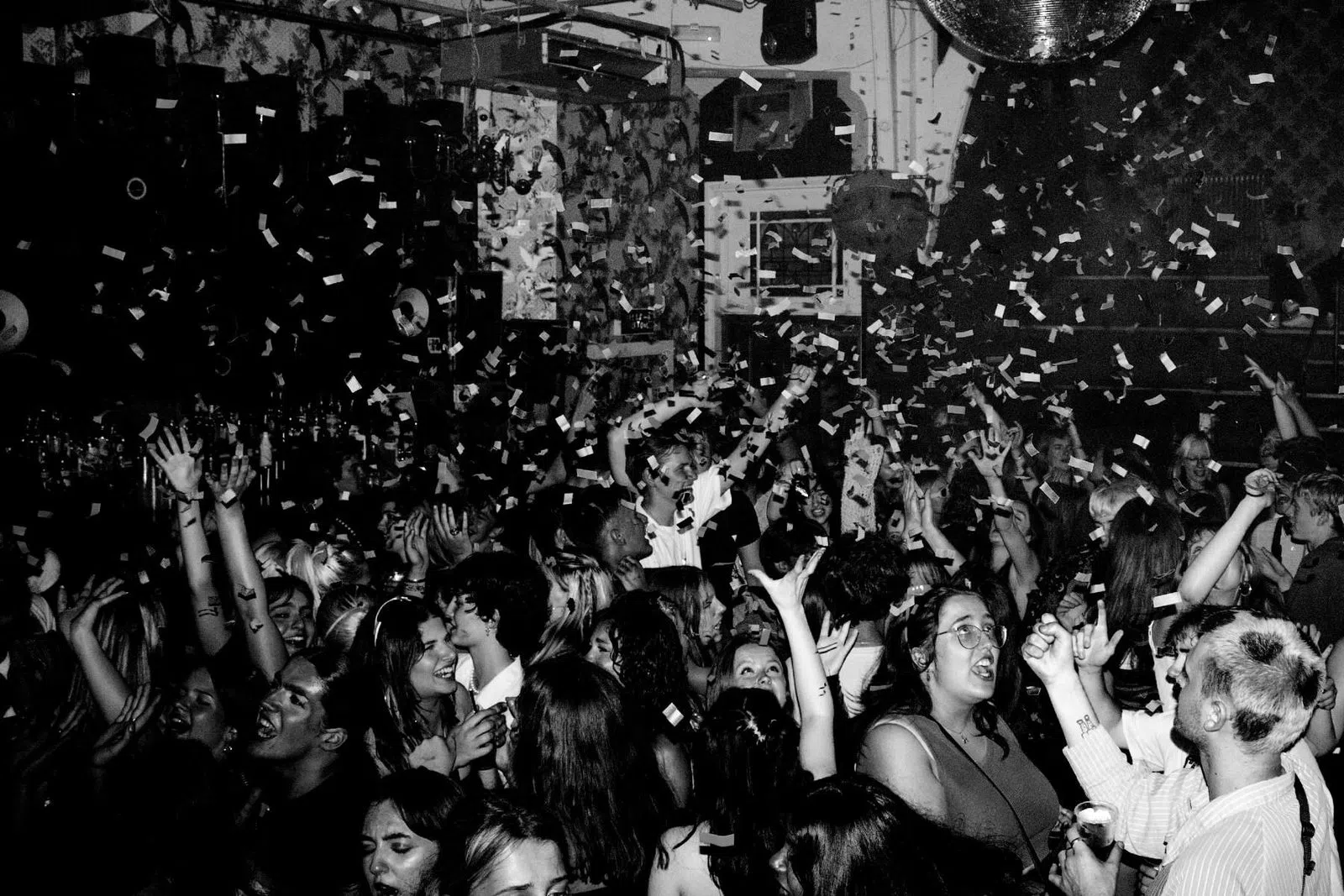
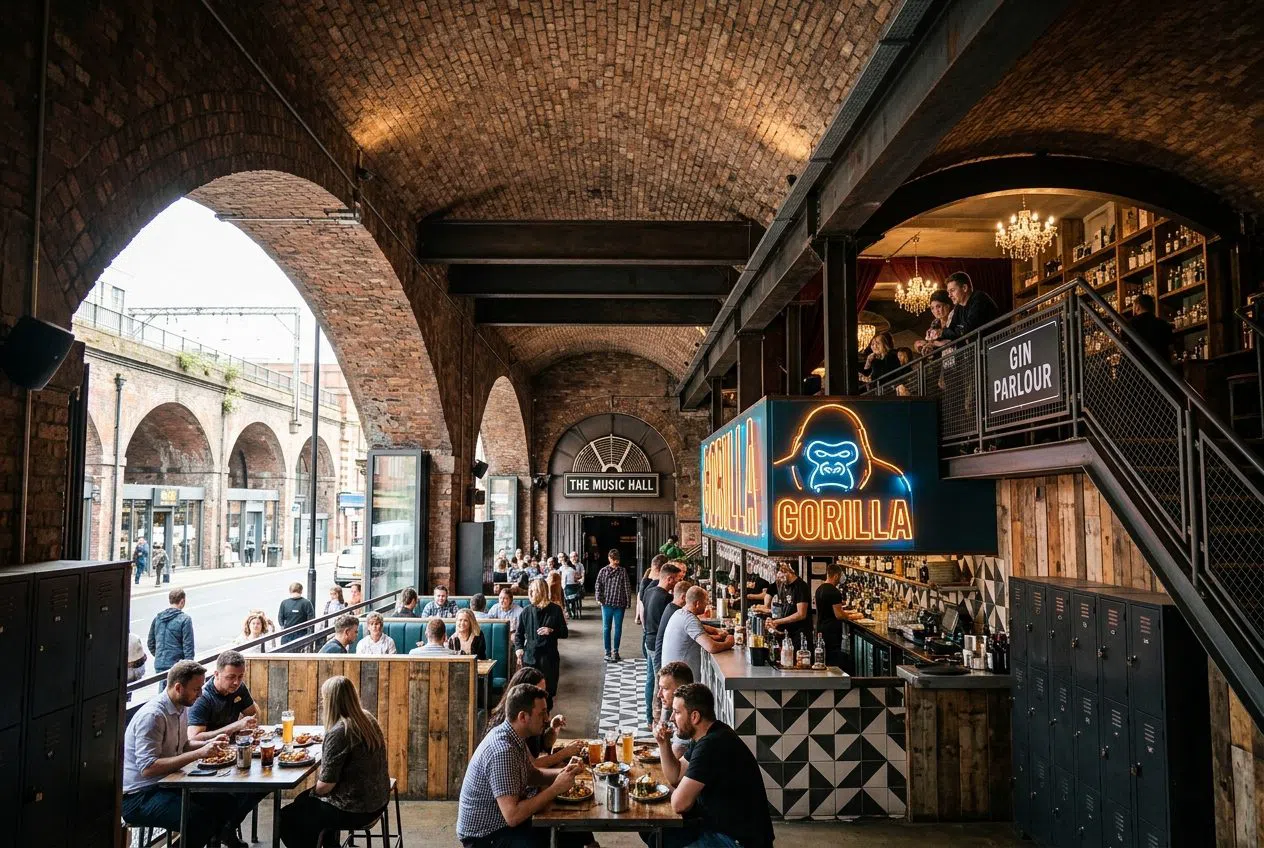
A short walk into the arches gives you Gorilla (Whitworth Street West, under the railway viaduct), Manchester's definitive mid-sized modern gig venue since 2012. The trick with Gorilla is that it works even when nothing's booked: the bar is a walk-in with free entry and food served, so it's a genuine whole-evening destination rather than a room you only enter when the doors open. Gig tickets run roughly £12 to £30. It's easy for a group and unfussy about it. Its intimate sister venue, The Deaf Institute (Grosvenor Street, in the university quarter), is where you go to catch a band a year before everyone else does — a beloved 260-capacity room with a famous domed ceiling. That tight capacity is the whole appeal, but manage expectations for a big group: 260 people is not many, and popular nights sell through. Tickets sit around £10 to £25.
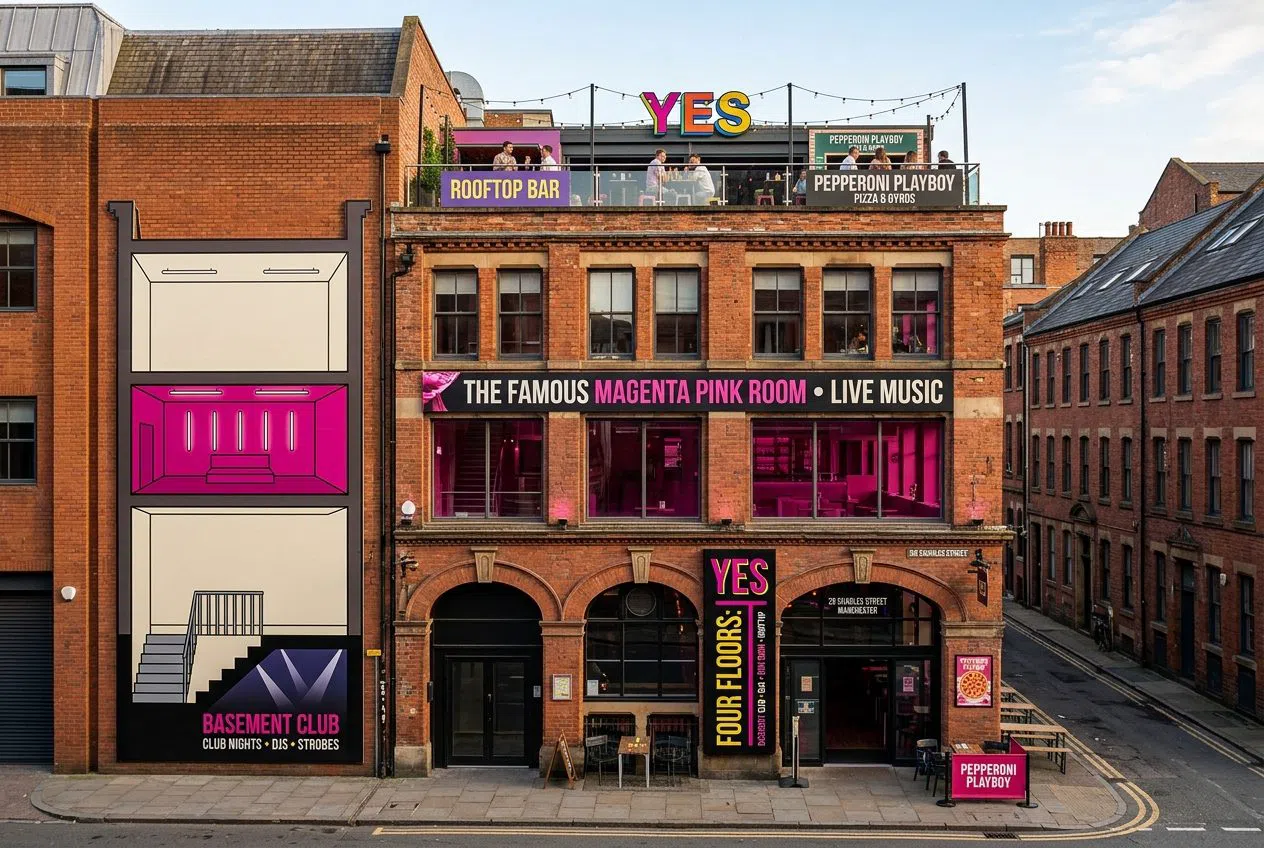
For the come-as-you-are approach, YES (Charles Street, city centre) is a whole night out stacked inside one building — coffee and street food by day, live bands and DJs across multiple floors and bars by night. You don't need to book to just turn up and drift between rooms, which makes it ideal when your group can't agree on one thing; everyone finds their level. Free bar areas, gigs roughly £10 to £25. And no survey of the mid-size rooms is complete without Night & Day Café (Oldham Street, in the Northern Quarter), a three-decade institution that famously won its noise-complaint court battle in 2024 and plays on, grungy and cheap and essential. It's a standing bar-venue, many nights free to £15; on gig nights arrive early, because it's small and it does not expand to fit you.
The heritage venues and the room for everything else
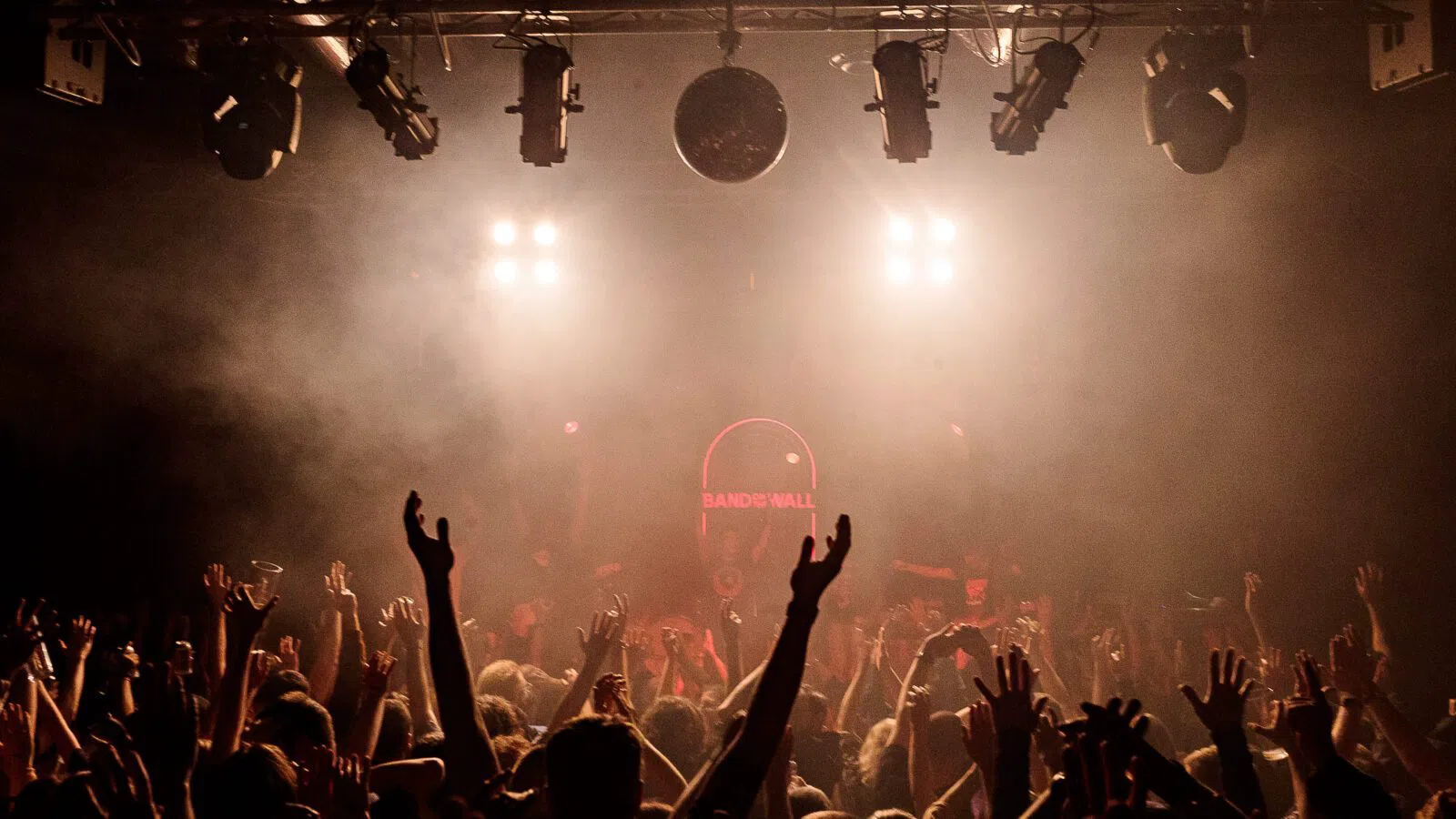
Some Manchester rooms are institutions in the literal sense. Band on the Wall (Swan Street, edge of the Northern Quarter) is a charity-run venue covering global, jazz, folk and soul, reopened after a beautiful renovation, and it is close to a guaranteed good night whatever the billing. It runs a mix of standing gigs and seated jazz nights, with an adjoining cocktail and copper bar for a pre-show drink, and welcomes groups comfortably. Many gigs land between £12 and £30, with some free. It is, more than almost anywhere else on this list, a safe bet.
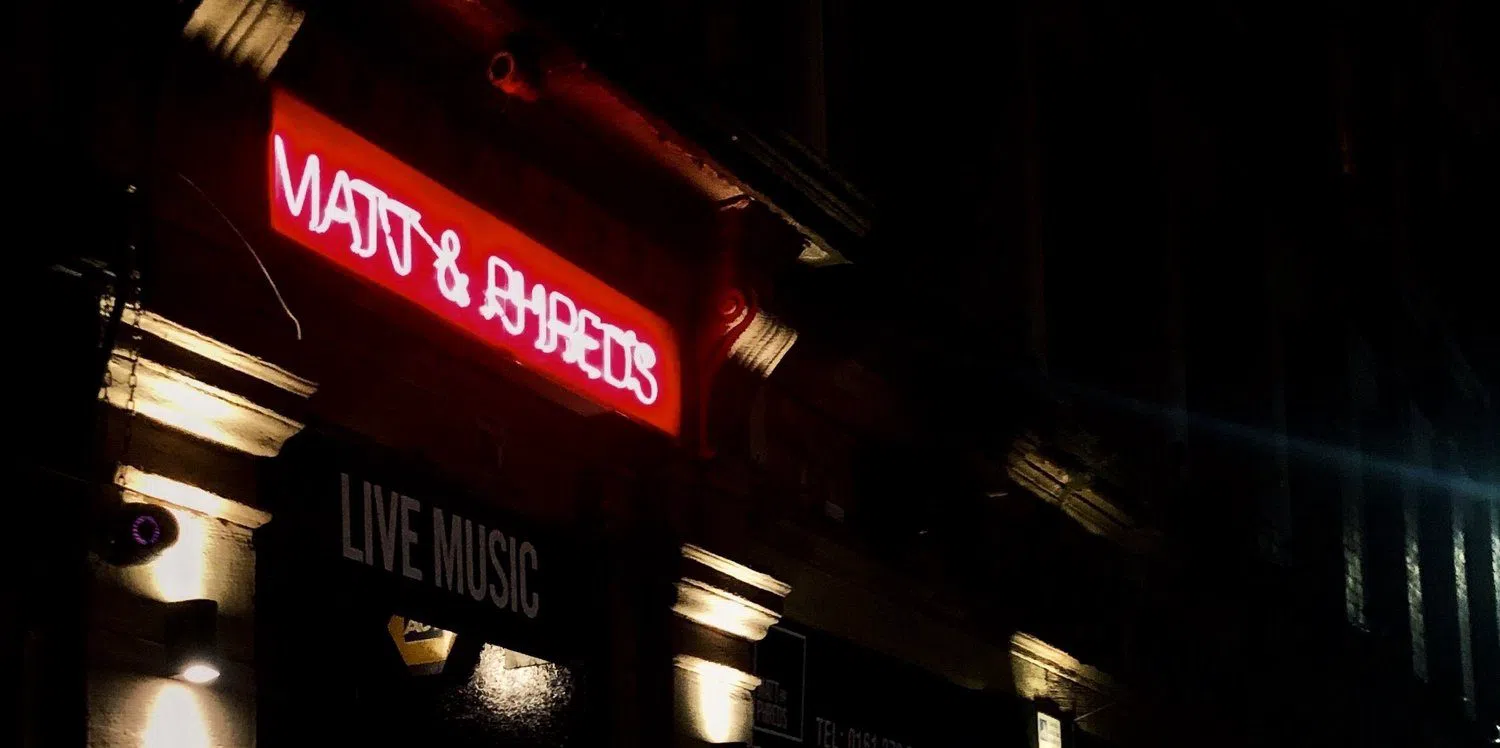
For jazz proper, Matt & Phred's Jazz Club (Tib Street, Northern Quarter) has run live jazz, funk and soul six nights a week for decades, with table service and pizza to match. Here you actively should book — a reserved table is how a group sits together in an intimate club, and the pizzas (around £10) mean you can make a full evening of it. Entry is often free to £15. It's the antithesis of a warehouse rave, and a welcome one mid-trip.
The grandest heritage stop, O2 Apollo Manchester (Ardwick, a little east of the centre), is a legendary art-deco room where Bowie and The Smiths once played. At roughly 3,500 capacity it's the sweet spot between a club and an arena — standing downstairs, seated circle upstairs, tickets around £30 to £60. It handles a big group well; just decide in advance whether you're a standing-and-sweating contingent or a sit-in-the-circle one, because the experience genuinely differs.
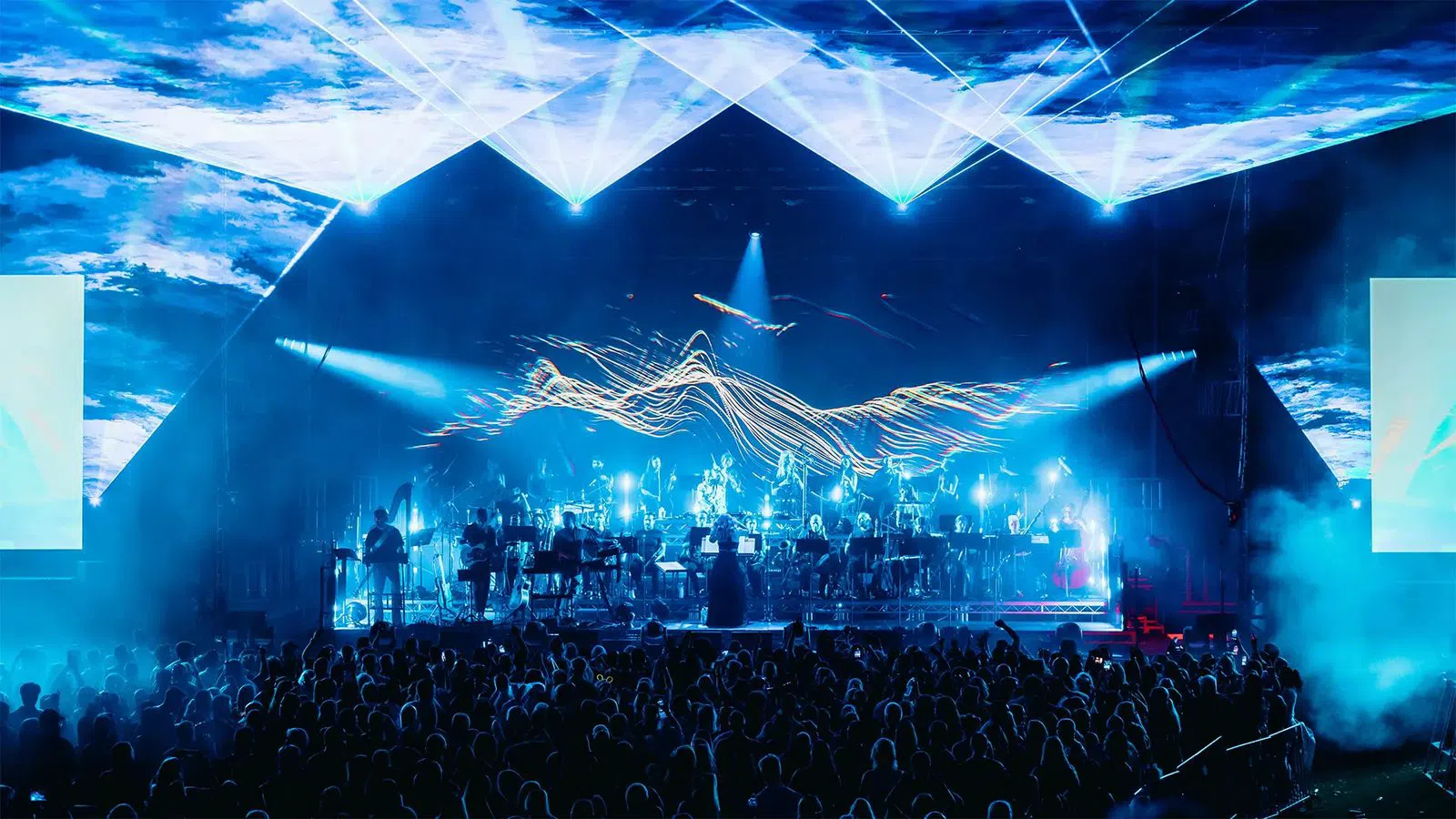
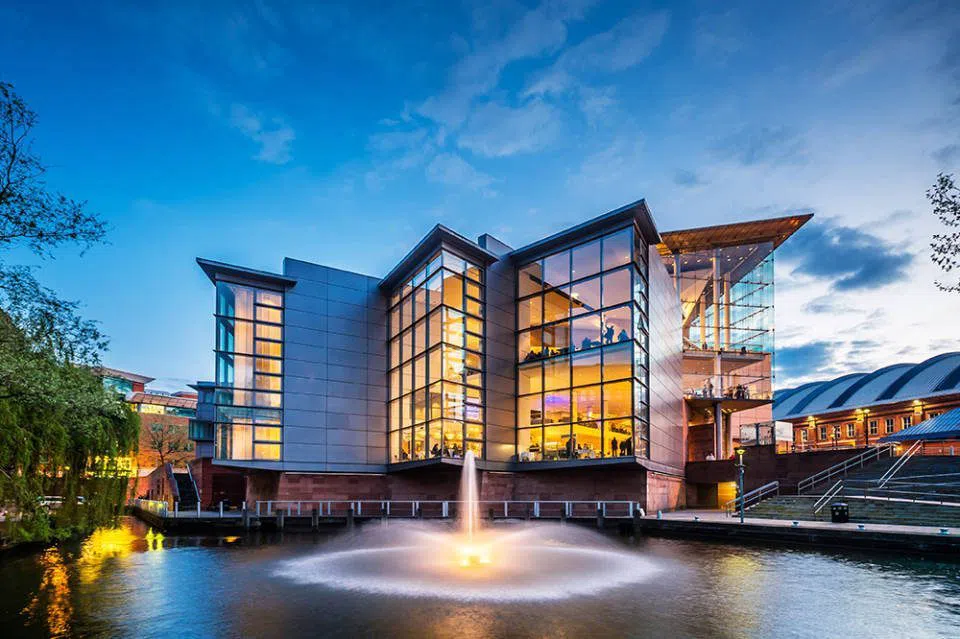
And then, for a complete change of register, The Bridgewater Hall (Lower Mozley Street, city centre) is home to the Hallé and the BBC Philharmonic, with world-class acoustics and an all-seated layout that makes it the easiest venue in the city to book a block of tickets together. It's the classy, sit-down counterpoint to Manchester's sweatier rooms — tickets around £20 to £50 — and a smart way to give a music-led trip some dynamic range rather than four consecutive late nights.
The arenas: for when a genuine headliner is in town
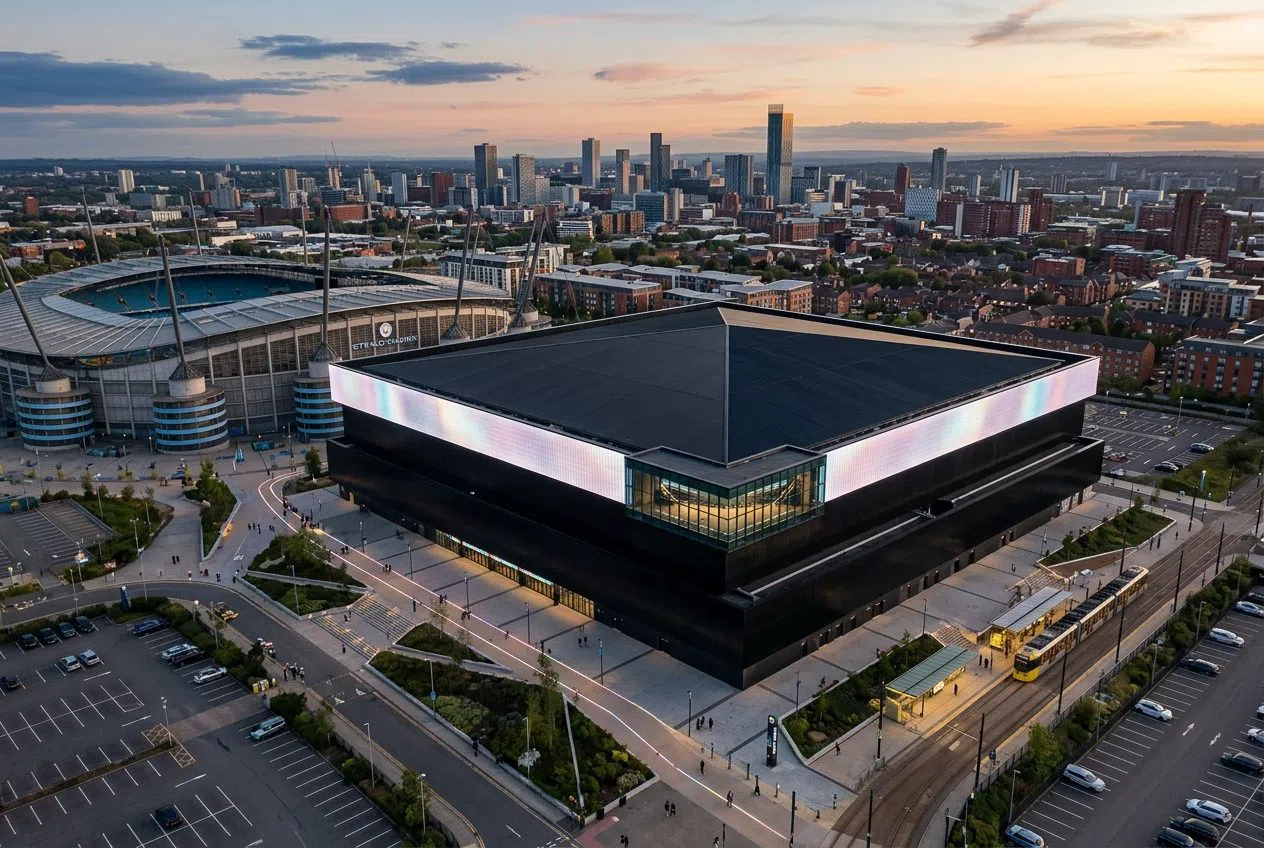
Manchester now has two of the largest indoor arenas in Europe, and if a name you'd cross a country for is playing, this is where you'll find them. AO Arena (Victoria, city centre) is the long-standing home for stadium-scale touring headliners, with the enormous practical advantage of sitting directly above Victoria station — transport is trivial. Co-op Live (near the Etihad Campus, east Manchester, on the tram line) is the newer and bigger of the pair, purpose-built for music with premium sound and now a fixture on major world tours. Both are built for large groups; the only real advice is to buy your block of seats together in one transaction, and to factor a busy post-show tram or walk into your night. Arena tickets range widely, roughly £40 to £120-plus depending on the act and the seats.
Building the trip
A satisfying music weekend here doesn't mean four identical nights. Anchor it with the one unmissable booking — a Warehouse Project night, or whoever's headlining Co-op Live — then fill the rest with contrast: an early jazz table at Matt & Phred's, a chance discovery at The Deaf Institute, a chapel gig at Albert Hall, a late one at Hidden or The White Hotel. For where to base yourself and what else the city offers around the music, the Manchester guide is the place to start.
Practical notes
Where to stay. The city centre is small and walkable, and most of these venues sit within it or a short tram ride out, so almost anywhere central works. Start your search with the Manchester hotel search, and prioritise being near Piccadilly or the Northern Quarter — it puts you within walking distance of the mid-size rooms and a quick tram from the arenas and clubs.
Transport. Manchester's Metrolink tram network is the backbone — Co-op Live sits on it, AO Arena is above Victoria station, and The Warehouse Project is a walk from Piccadilly. Trams thin out late, so know your last one or budget for a taxi; the Salford and Ancoats clubs (The White Hotel, Hidden) are best reached by cab after midnight.
Cash and booking. Almost everything is card-first now, but carry a little cash for cheaper door charges (FAC251, some Night & Day nights). For anything with a name attached — Warehouse Project, arena shows, popular Albert Hall or Deaf Institute gigs — book well ahead; these sell out, and the small rooms sell out fastest. Table venues (Matt & Phred's, The Bridgewater Hall) are the ones where reserving as a group genuinely pays off.
Timing. The Warehouse Project only runs September to New Year's Eve, so a dance-led trip built around it has a season. The rest runs year-round. And if The White Hotel is on your list, remember the clock: it closes for good in January 2027.
Budget. You can do a serious music night cheaply — mid-size gigs and club nights routinely land between £10 and £30 — with the arenas (£40-plus) and marquee club lineups the only real splurges. Two well-chosen nights and a jazz table will show you more of the real city than one expensive arena ticket ever could.
Before you go
What is the best venue for a music-led night out in Manchester?
For dance music, The Warehouse Project at Depot Mayfield is the flagship, running September to New Year's Eve with general-admission tickets around £25–£65. For live bands any night of the week, Band on the Wall is close to a guaranteed good night. Book marquee Warehouse Project dates the moment they drop, as they sell out in minutes.
Which Manchester venues suit big groups versus couples?
Big groups do well at the arenas (AO Arena, Co-op Live), the Warehouse Project, O2 Apollo and FAC251, which are built for volume. Couples and small groups are better suited to the intimate rooms — The Deaf Institute (260 capacity), The White Hotel and Matt & Phred's, where a booked table lets you sit together.
Is The White Hotel still open in 2026?
Yes, but not for long — the world-renowned Salford underground club has announced it will close for good in January 2027. If it's on your list, plan a 2026 visit while you still can, and expect a DIY door and a music-first crowd rather than bottle service.
Do I need to book Manchester gig tickets in advance?
For anything with a name attached — Warehouse Project nights, arena headliners, and popular Albert Hall or Deaf Institute shows — yes, well ahead, as they sell out and the small rooms go fastest. Walk-in bar-venues like Gorilla, YES and Night & Day let you just turn up, though you should arrive early on gig nights.
How do I get around Manchester's music venues at night?
The Metrolink tram network links most venues — Co-op Live is on it, AO Arena sits above Victoria station, and the Warehouse Project is a short walk from Piccadilly. Trams thin out late, so know your last one or budget for a taxi, especially for the Salford and Ancoats clubs like The White Hotel and Hidden.