
Manchester never had cathedrals it needed to apologise for. What it had were mills, warehouses and a rail terminus older than most nations' train networks, and the peculiar civic pride of a city that manufactured roughly a third of the world's cotton cloth by the mid-nineteenth century and then had to decide, a hundred-odd years later, what to do with the brick left behind. This is a walking city built for looking up: at cast-iron columns, at loading-bay hoists still bolted to façades, at a skyline that swapped chimneys for cranes without ever quite losing the grain of the original.
Where It Started: Castlefield and the Science and Industry Museum
Start at Castlefield Urban Heritage Park (Castlefield), because everything else in this article is, in some sense, downstream of it. This is England's first urban heritage park, opened over the basin where the Bridgewater Canal — Britain's first true canal, built to move coal without a horse team dying on the way — meets the Rochdale Canal and the Roman fort that gave the district its name. It costs nothing to walk, there is no booking system to work around, and local operators run guided group walks through it if you want the context filled in rather than guessed at from interpretation boards. One thing worth flagging before you go: the National Trust's Castlefield Viaduct "sky garden" walkway is closed for Phase 2 building works as of August 2026. Don't go expecting a green walkway in the air this year — the canal-level view and the ironwork itself are still the draw, and still worth the detour.
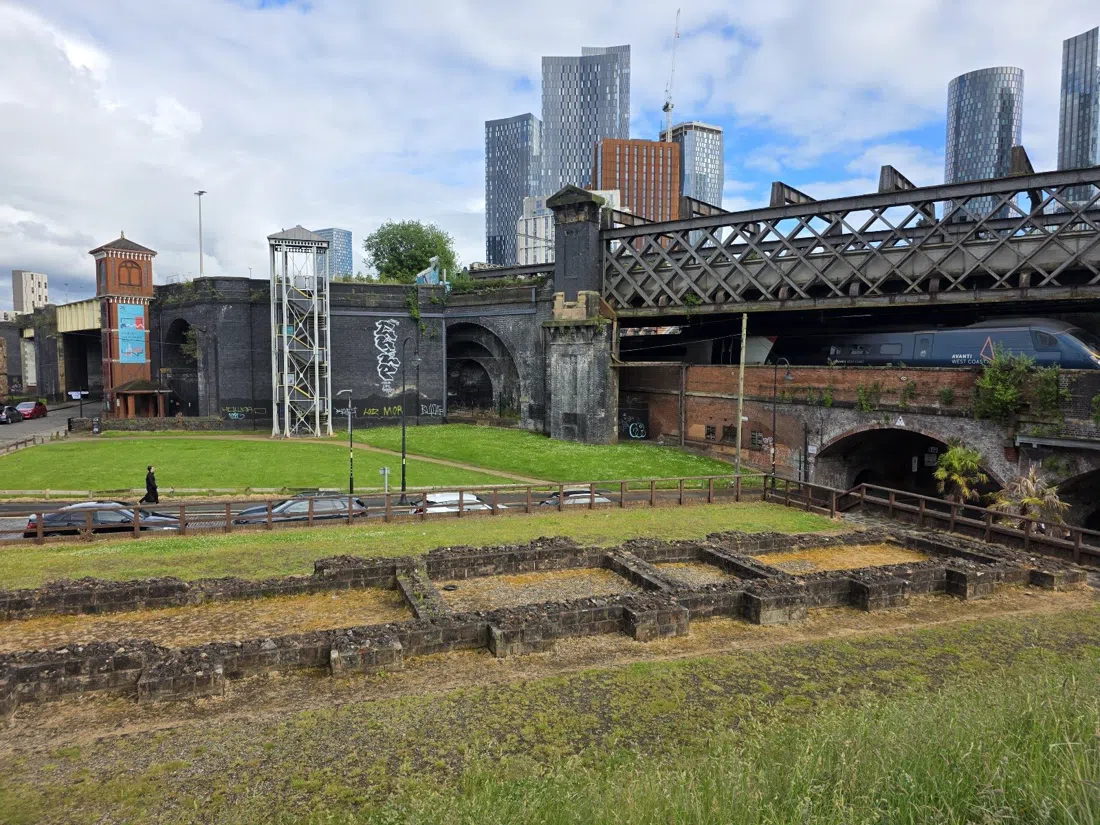
Immediately next door sits the Science and Industry Museum (Castlefield), and it is the anchor of this entire itinerary for a reason that has nothing to do with curation and everything to do with geography: this is the actual site of the 1830 rail terminus, the world's first inter-city passenger railway, and five of its original listed buildings are still standing and in use. Entry is free — some special exhibitions are ticketed, the current "Horrible Science" show among them — and the museum takes school and adult groups year-round through online group booking, with capacity for up to 400 learners a day in term time and picnic space assigned so a coach party isn't left standing around deciding what to do with their lunch. For couples or solo travellers this is an unhurried half-day; for group leaders, book ahead and confirm the picnic slot rather than assuming one will be free on arrival.
The Cotton Exchange and the Insurance Money
Two buildings tell the money side of the story better than any museum label could, and they sit a fifteen-minute walk apart in the city centre.
The Royal Exchange Theatre (St Ann's Square) is, more than any other single structure in Manchester, physically Cottonopolis. This was once the largest room on earth, a trading floor where up to 11,000 merchants gathered twice a week to fix the price of cotton for half the planet — a scale of commerce that is almost impossible to picture standing in the hushed retail hall today, glass-roofed and quiet, with a theatre-in-the-round dropped into the middle of it like a spacecraft that landed in a cathedral. The hall itself is open access and free to view, no booking required — walk straight in during opening hours and look up at the old price boards. The theatre inside runs a full programme and takes group bookings direct, with tickets running roughly £15 to £45 depending on the show.

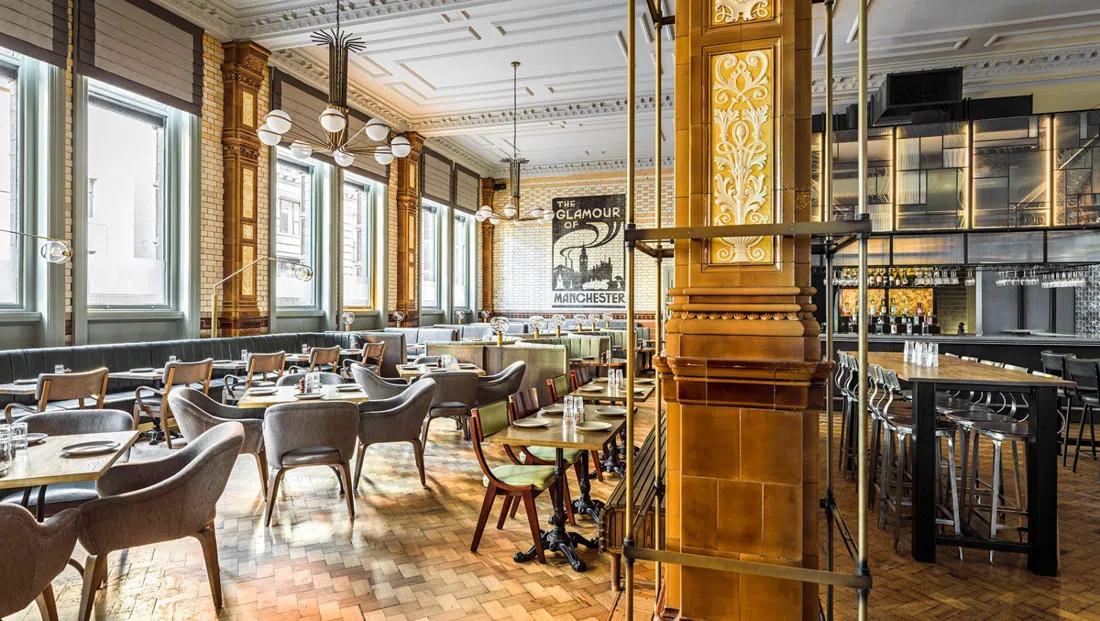
A different kind of money built The Refuge (Oxford Street), now the ground-floor bar and restaurant of the Kimpton Clocktower Hotel — insurance money rather than cotton money, though the red brick and the ambition are cut from the same civic cloth as the mills. It's the city's other great red-brick landmark, and it now runs as a proper hospitality operation: drinks and dining sit in the ££ range, afternoon tea is bookable for parties on Friday and Saturday at roughly £35–£45 per person, and there's a ballroom for anything larger. This is the stop that suits an evening rather than museum hours — go for a drink under the original tiling rather than trying to fit it in between attractions.
The Quieter Infrastructure Story
Not every piece of this history sits on a postcard, and two museums make the point that Manchester's industrial legacy is bureaucratic and civic as much as it is commercial.
The People's History Museum (Left Bank) is housed in a former hydraulic pumping station — repurposed industrial plumbing, quite literally, that once powered lifts and cranes across the city and now holds the national museum of democracy. It's free, with a suggested £10 donation, and groups of six or more should book ahead; avoid sending a party in on a Friday between 2 and 5pm, which the museum keeps as a quiet period. It's a smaller, less-touristed stop than the Science and Industry Museum, and arguably a better one for readers who already know the cotton story and want the labour-and-politics half of it.
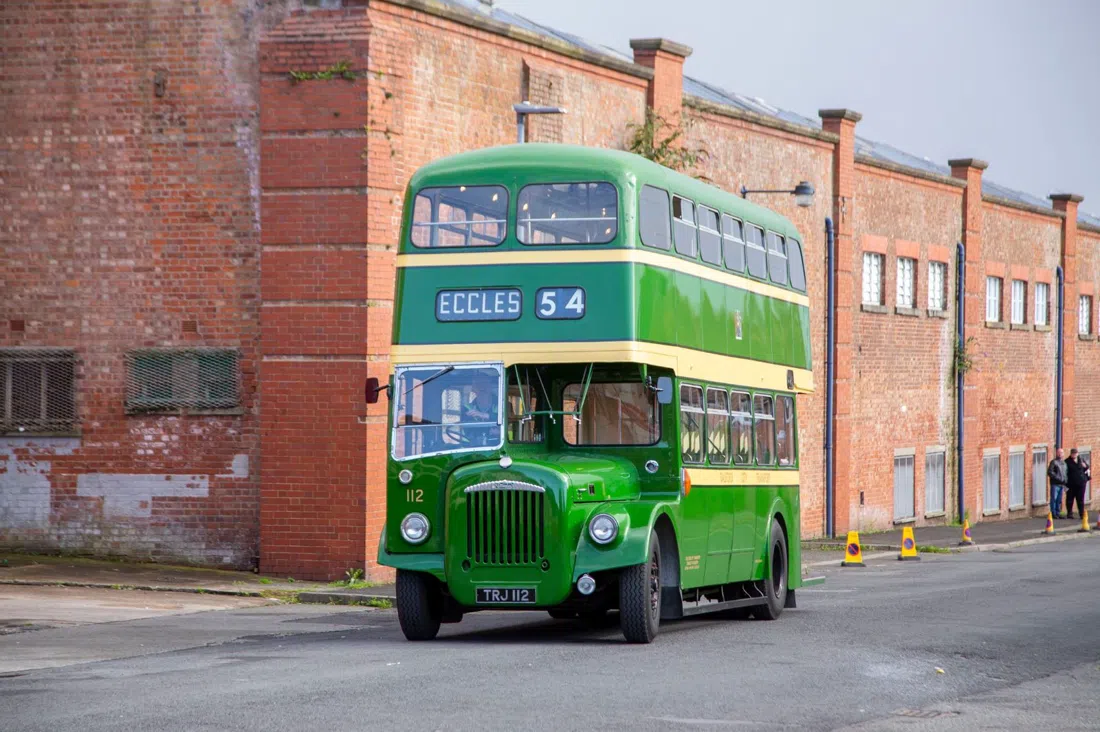
Further out, and genuinely off most guidebooks' radar, is the Museum of Transport Greater Manchester (Cheetham Hill). This is the industrial-heritage building type — a former bus and tram depot — that most city guides skip entirely, which is precisely the case for including it here: it's the real thing, not a rebuilt approximation. Admission is around £7.50 for an adult, and groups should arrange visits directly by phone or email rather than turning up. The one genuinely important caveat: check the opening day before you send anyone. It only opens Wednesday, Saturday and Sunday, and there is nothing more deflating than a group arriving on a Tuesday to a locked depot.
On the Water
The mills and warehouses only make sense once you understand that Manchester, thirty-odd miles from the sea, functioned as a port — and the way to feel that rather than read it is from the water itself.
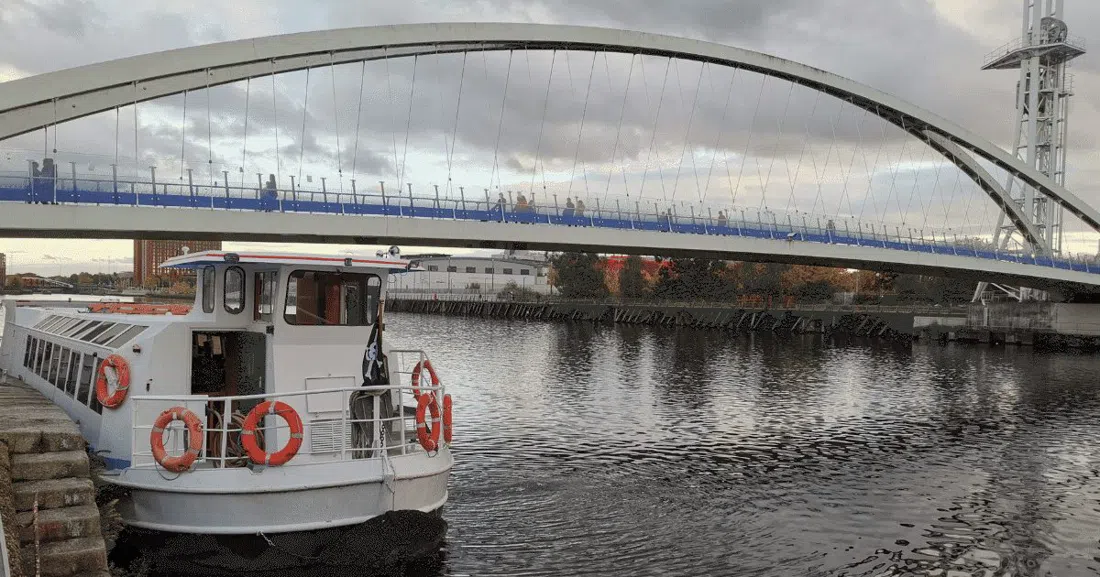
Manchester River Cruises (Castlefield/Salford Quays) is the only entry on this list that puts you physically on the canal system that made the city an inland port, with a direct sightline down to the ship-canal side of the story that the mills alone can't tell from dry land. Standard sightseeing sailings start from £12 per person and are bookable individually or as a group; private hire for parties runs £20–£45pp. It suits couples wanting forty minutes of narrated context as much as it suits a group booking out a full boat for something less formal.
Step off the water and into it at Dukes 92 (Castlefield), a converted canal stable right on the basin that is the easiest, least self-conscious way to actually sit inside a piece of Castlefield's working fabric rather than just look at it. It takes group bookings across three private event spaces, runs a Saturday brunch club, and sits at a ££ price point for food and drink. This is a relaxed, no-door-policy stop — good for an early-evening pint after the canal walk, not something you need to book unless you're organising a larger group.
Mills That Stayed Alive — and One That Went Quiet
The thesis of this whole article, if it has one, is that Manchester's mills didn't die so much as change tenants, and two buildings make that case in opposite registers.
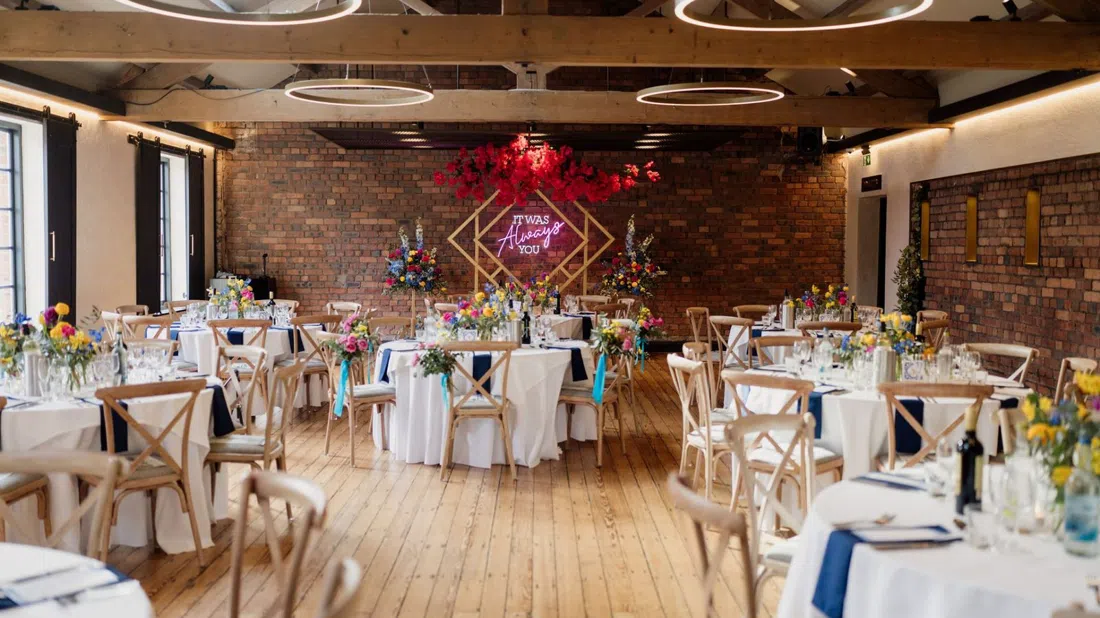
Islington Mill (Salford, off Chapel Street) is the clearest, least sanitised version of it: a genuine former cotton mill that is still adaptively alive rather than preserved behind glass, running as a working arts hub with a gallery, studios, a B&B and a regular gig and events programme. The gallery and grounds are free to visit; event tickets run roughly £5–£20, and heritage tours of the building run periodically for anyone who wants the history alongside the current use. This is not a polished visitor attraction — go in expecting a working building with paint on the floor, not a curated museum experience, and check what's actually on before you go.

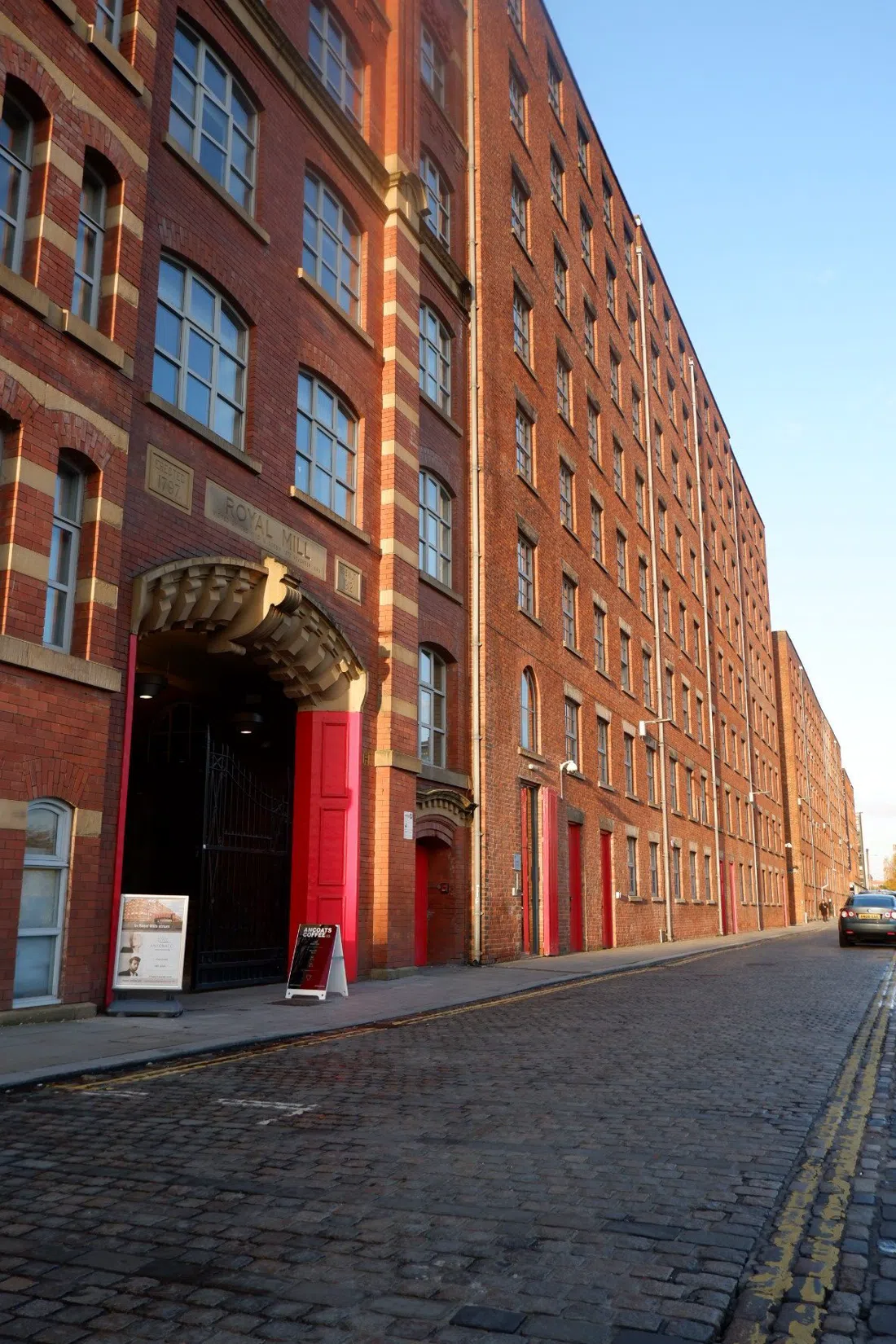
Royal Mills / Ancoats Coffee Co (Ancoats) takes the softer, quieter end of the same theme. The mill itself is flats now, but the atrium and the ground-floor café keep the industrial bones genuinely visible — cast iron, exposed brick, the scale of the original building — and it's open to anyone, no booking required, at ordinary café prices. It's a good closing stop on a mill-focused afternoon: fifteen minutes with a coffee under a roof that used to run around the clock on cotton, now running on flat whites.
The One That's Still Actually Running
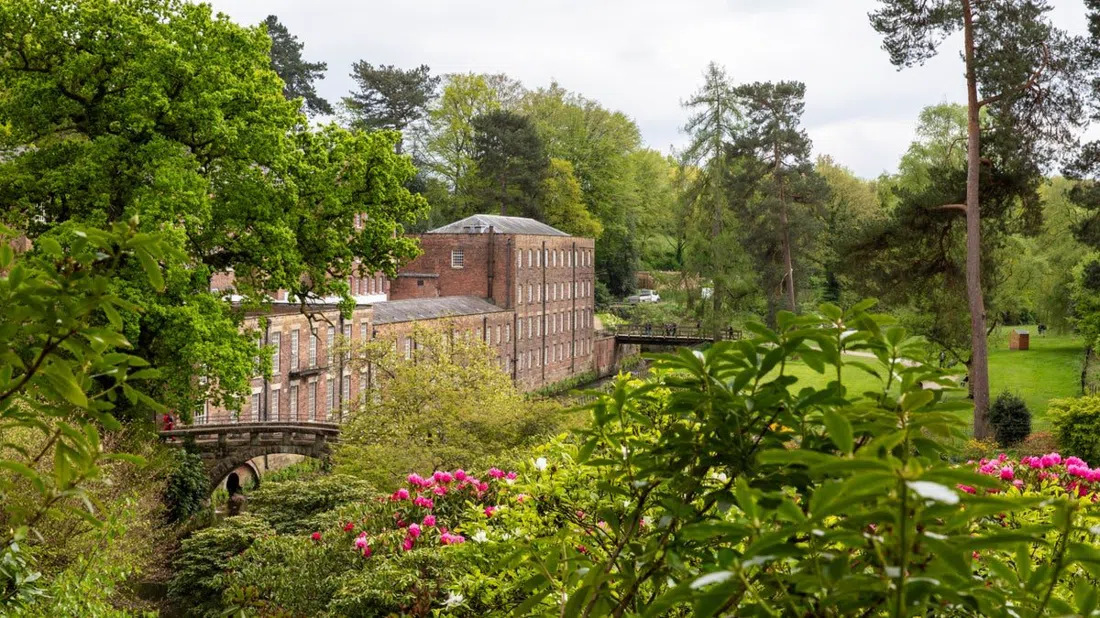
Every other stop on this route is a converted, silent building — which is exactly why Quarry Bank Mill (Styal, Cheshire, National Trust), half an hour outside the city, matters as a counterweight rather than an optional add-on. It's the only place readers will actually see and hear a working cotton mill in operation, machinery running, rather than reading about one on an interpretation panel. Adult admission is around £24, free for National Trust members, and the site runs a dedicated group programme with bespoke tours from £30 for a group of 15, plus coach bays and a meet-and-greet service. One note for anyone acting on prices rather than just reading them: admission was in flux through mid-2026 on VAT-linked promotional pricing, so confirm the current figure before committing a group booking to it.
The Roof You Can Look At But Mostly Can't Enter
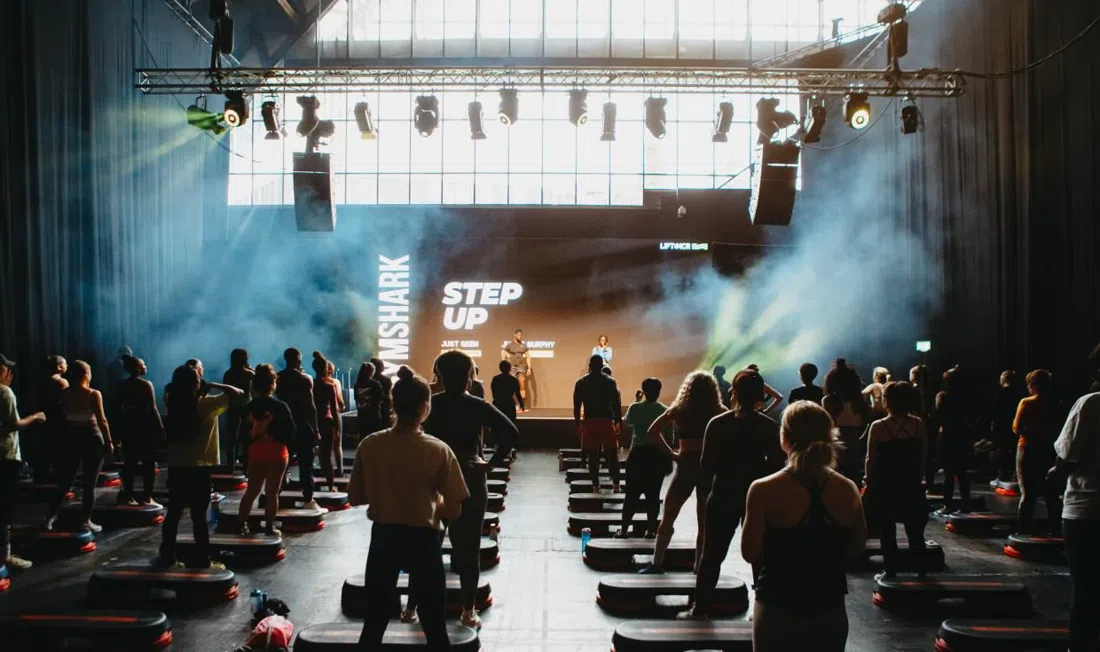
Manchester Central Convention Complex (G-Mex, city centre) earns its place here for one structure: the great train-shed roof of the former Manchester Central railway station, one of the largest single-span iron roofs of its era, now sheltering a working exhibition and conference centre rather than trains. It's worth being direct with readers about access: this is a functioning conference venue, not a walk-in attraction. The exterior and G-Mex Square are open access at any time and free to view — and worth doing, the roofline alone is the point — but getting inside depends on whatever exhibition or event happens to be ticketed that week, or on booking a guided or virtual tour separately. Don't build a day around getting inside; build it around the fact that you can see the shape of the thing from the square without needing to.
Planning the Trip
Manchester's industrial-heritage sites cluster in two areas: Castlefield and the city centre, which is entirely walkable in a day, and the outliers — Quarry Bank Mill (Styal) and the Museum of Transport (Cheetham Hill) — which need a tram, bus or short drive. Trams run frequently between the city centre and Salford Quays if you're pairing Islington Mill with a canal walk; Styal is reachable by train from Manchester's main station with a short walk, or by car in under 30 minutes.
Most attractions here take card only, including museum shops and the boat operators, though it's still worth carrying a little cash for smaller cafés near Ancoats and Castlefield. Free entry covers the majority of the list — the Science and Industry Museum, Castlefield itself, the Royal Exchange hall, the People's History Museum and Royal Mills' public spaces all cost nothing to walk into — so a genuinely full day of Manchester's industrial history can run to single-figure spend beyond food, drink and transport, with Quarry Bank Mill (£24) and a river cruise (£12+) the two real ticket-price line items.
Time it for opening days rather than assuming: the Museum of Transport only opens Wednesday, Saturday and Sunday, and Islington Mill's programme is events-led rather than daily, so check what's on before building a schedule around it. Term-time weekday mornings are quietest at the Science and Industry Museum, since school groups are typically booked and gone by early afternoon; weekends suit the canal-side stops — Dukes 92, the river cruises — better, when the basin has some life in it rather than standing empty.
For a base, the whole route sits within a comfortable walk or short tram ride of the city centre, making a central hotel the simplest option for covering it in a day or two — see Manchester hotel search for options. For the rest of what the city offers beyond its industrial core, the Manchester guide covers it.