The Manchester issue
Madchester and Beyond: How One Rainy City Rewrote the Sound of Pop
From back-room punk pubs to a cathedral-scale arena — a measured, venue-by-venue guide to hearing Manchester's music where it actually happens in 2026.

By Jonas VeldkampMills, canals and the free museums
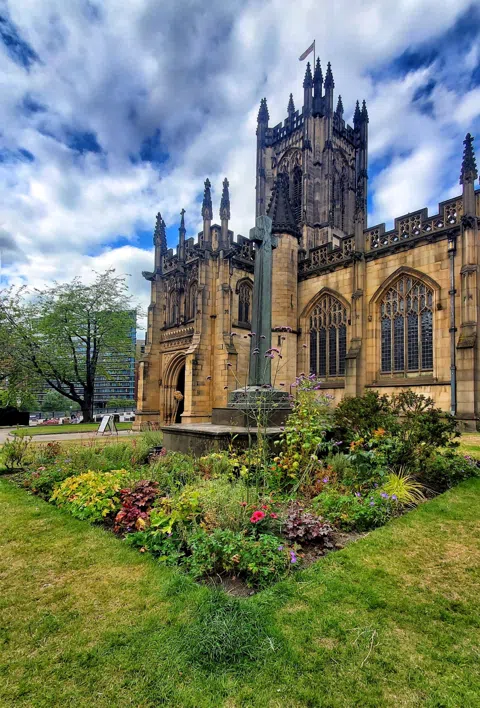
The rain gets the blame, and the city has never much minded. The convenient legend of Manchester's music is that the weather drove everyone indoors — into damp rehearsal rooms, back-room pubs and borrowed halls — until the boredom hardened into a sound. It is a good story, and like most good stories it is half true; what it leaves out is the plumbing beneath the myth: the small stages, record-shop counters and charity-run rooms that kept the noise alive long after the famous names had moved on.
Why one city kept rewriting pop
Most cities get one moment. Manchester has had several, and the interesting thing is how little distance separates them. The punk and post-punk years gave the world Buzzcocks, Joy Division and The Fall; the late-1980s Madchester surge fused indie guitars to the pulse of the dancefloor; the Britpop decade that followed put the city back on every front page. What connects them is not a genre but a set of rooms — modest, often unglamorous spaces where a band could be terrible on a Tuesday and unmissable by the spring. That continuity is the reason this guide is organised by the kind of night you want rather than by decade. You can trace the whole arc in an afternoon's walk, but you hear it properly standing in the dark with a drink going warm in your hand.
A quick word on how to use this. The venues below range from sub-100-capacity pubs to the largest indoor arena in the country, and the door policies vary just as widely. I have been honest throughout about which places absorb a group of eight without blinking and which are really built for two people who arrived early. If you are still sorting logistics, the broader Manchester guide covers the rest of the trip; this piece is only about the music.
Plan your Manchester trip
Live prices from our booking partners.
Free cancellation on many rooms. We may earn a commission when you book.
The Northern Quarter: the scene's living room
If Manchester's sound has a postcode, it is the Northern Quarter — a grid of red-brick warehouses and former textile showrooms just north-east of the city centre, dense enough to cross on foot in ten minutes and to spend a whole night inside.
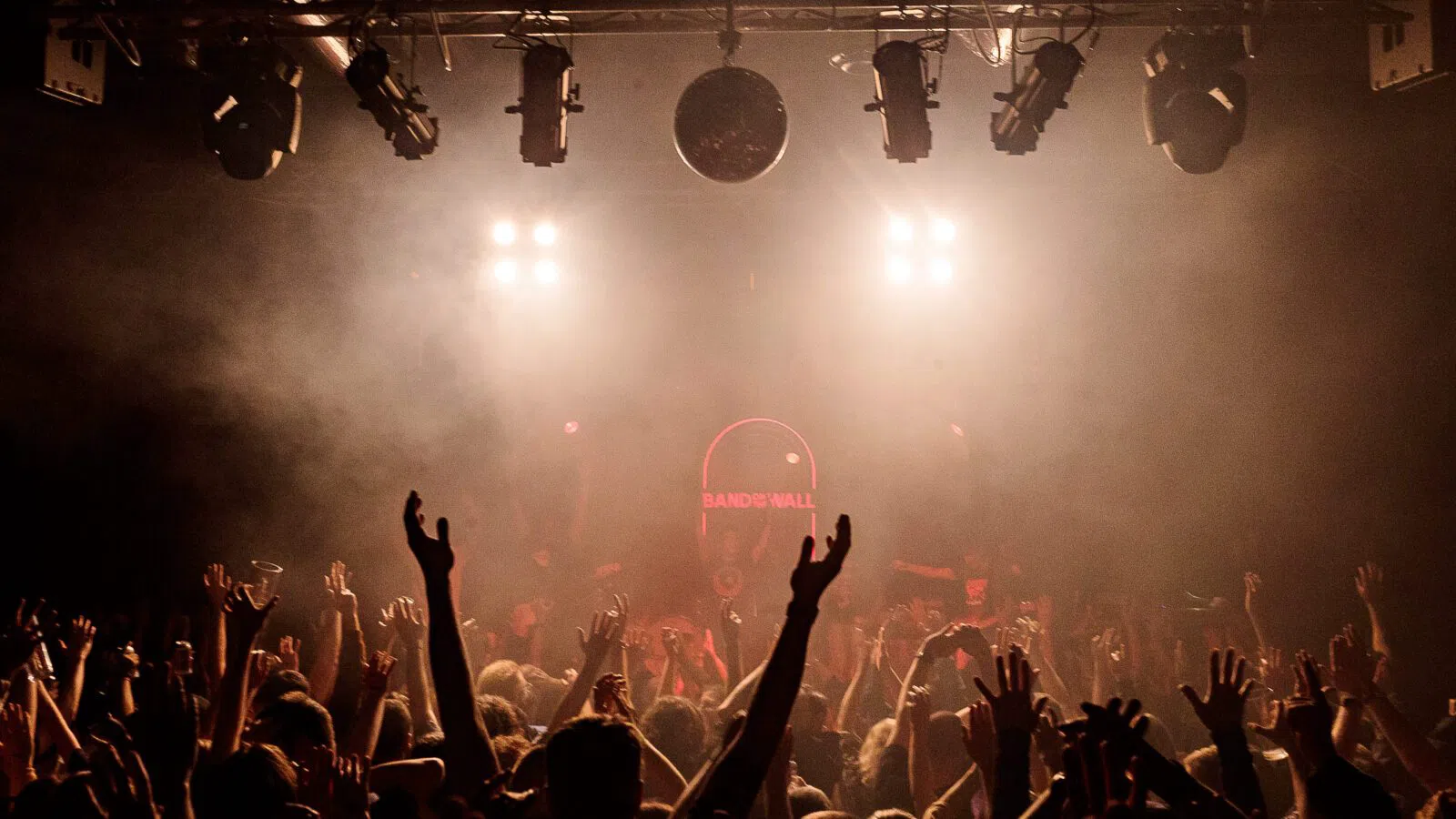
Start at Band on the Wall (Northern Quarter), the city's best mid-sized room and a genuine punk-era shrine — Buzzcocks, Joy Division and The Fall all played the wall in its rougher years. It is now charity-run and beautifully refurbished, with a Picturehouse bar and restaurant attached, and it takes groups more easily than almost anywhere on this list: no restrictive door policy, standing gigs downstairs and group tables you can book in advance. Most gigs land between £15 and £30, with bar and food at moderate prices. It is the safest single booking in the city if you want a certain night out.
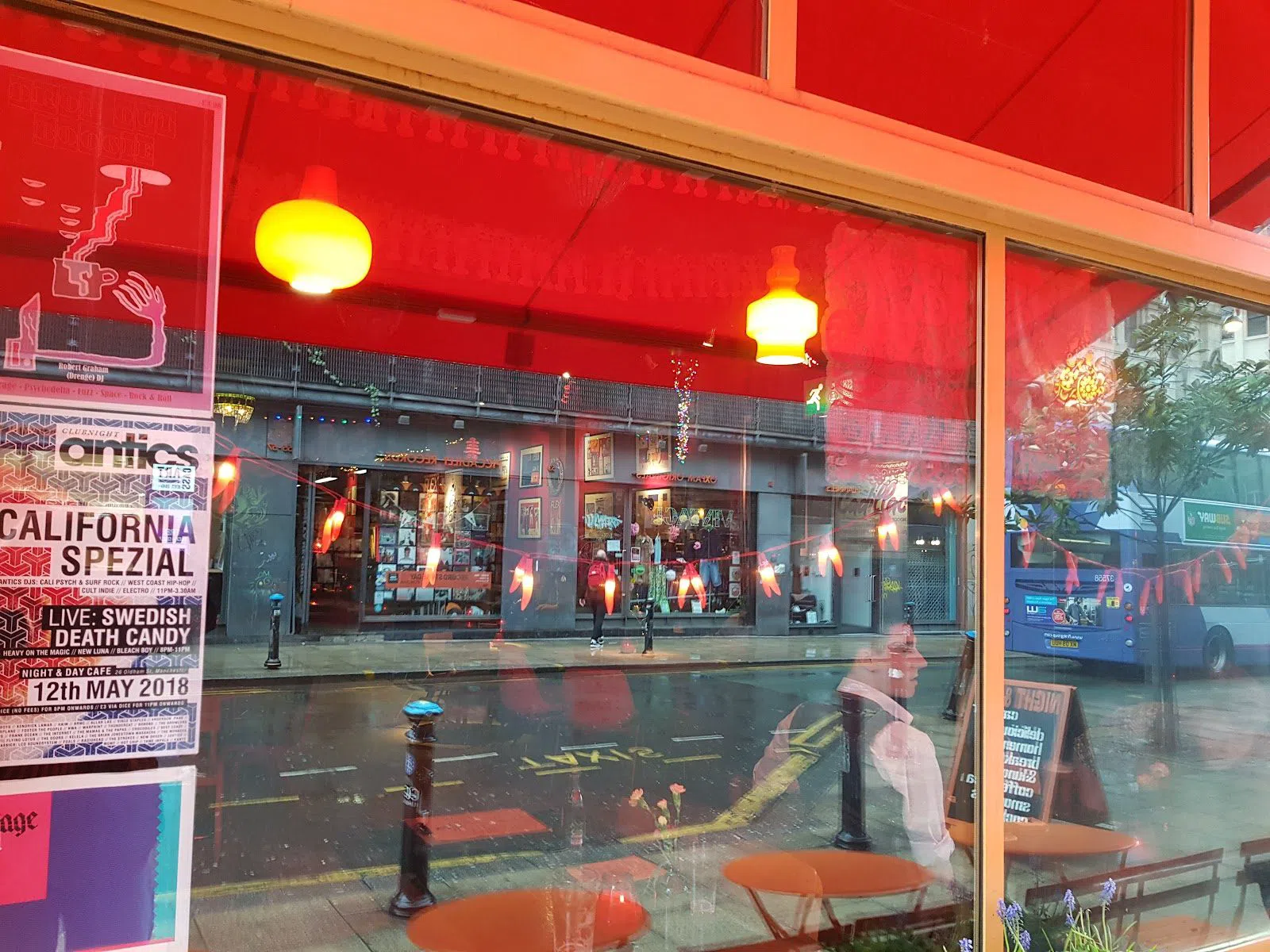
A few streets away, Night & Day Café (Northern Quarter) is the underdog of the district and knows it. This bar-and-gig hybrid launched Elbow and then spent three years fighting a noise complaint through the courts, a battle it finally won in 2024 — a story worth knowing as you stand in it. The door is casual and walk-ins are fine for the bar, so it suits a group that wants somewhere to land without committing to tickets; gigs run from free up to around £15, drinks moderate.
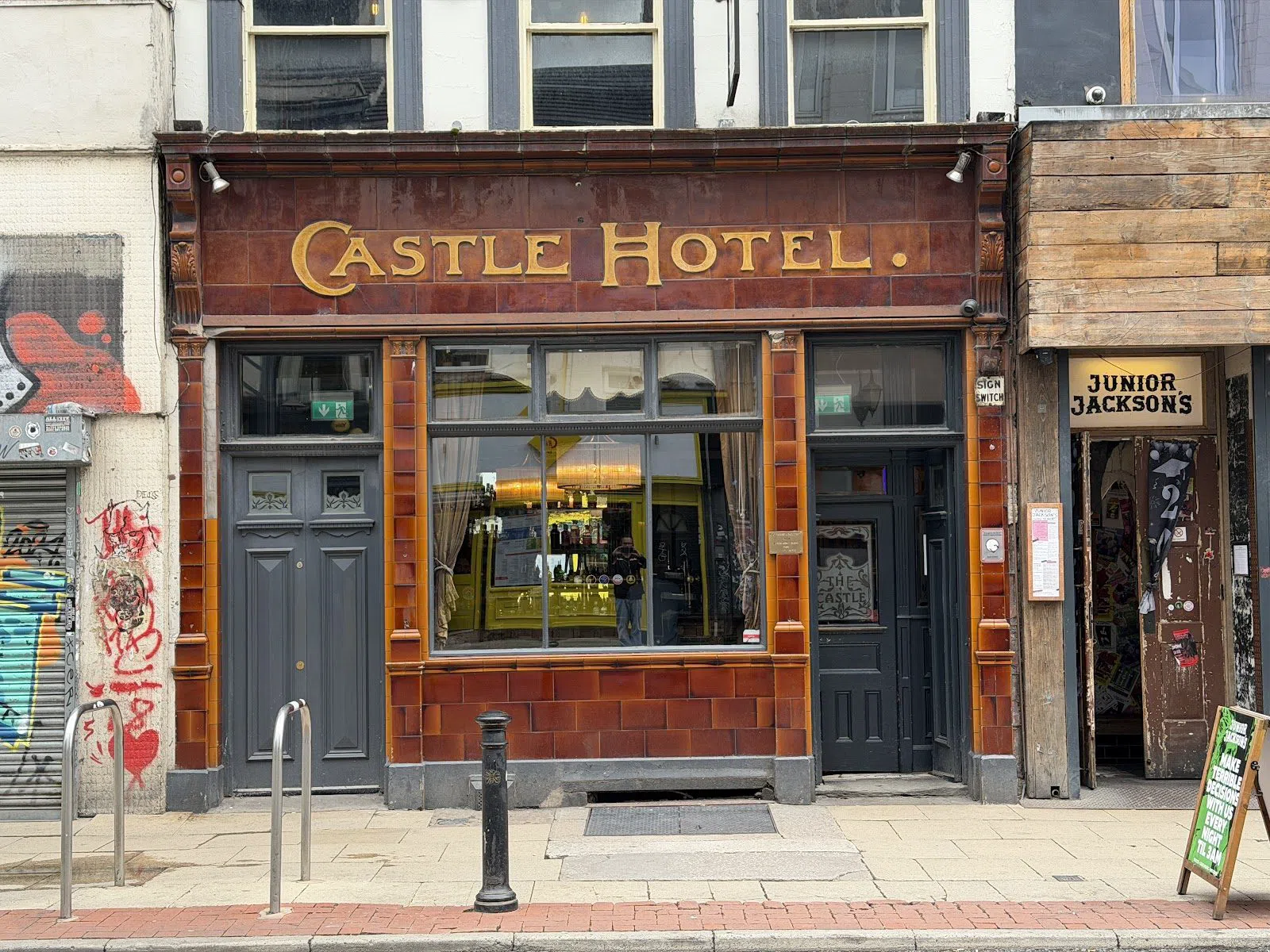
For the opposite experience, The Castle Hotel (Northern Quarter) has been a pub since 1776 and stages sub-100-capacity shows in a back room where you stand a metre from the band. The front bar welcomes everyone, but be realistic: with roughly 80 places, the back-room gigs sell out fast and the space suits small groups rather than a party of ten. Tickets run free to about £12, drinks at pub prices. This is where you go to see a new act sweat.
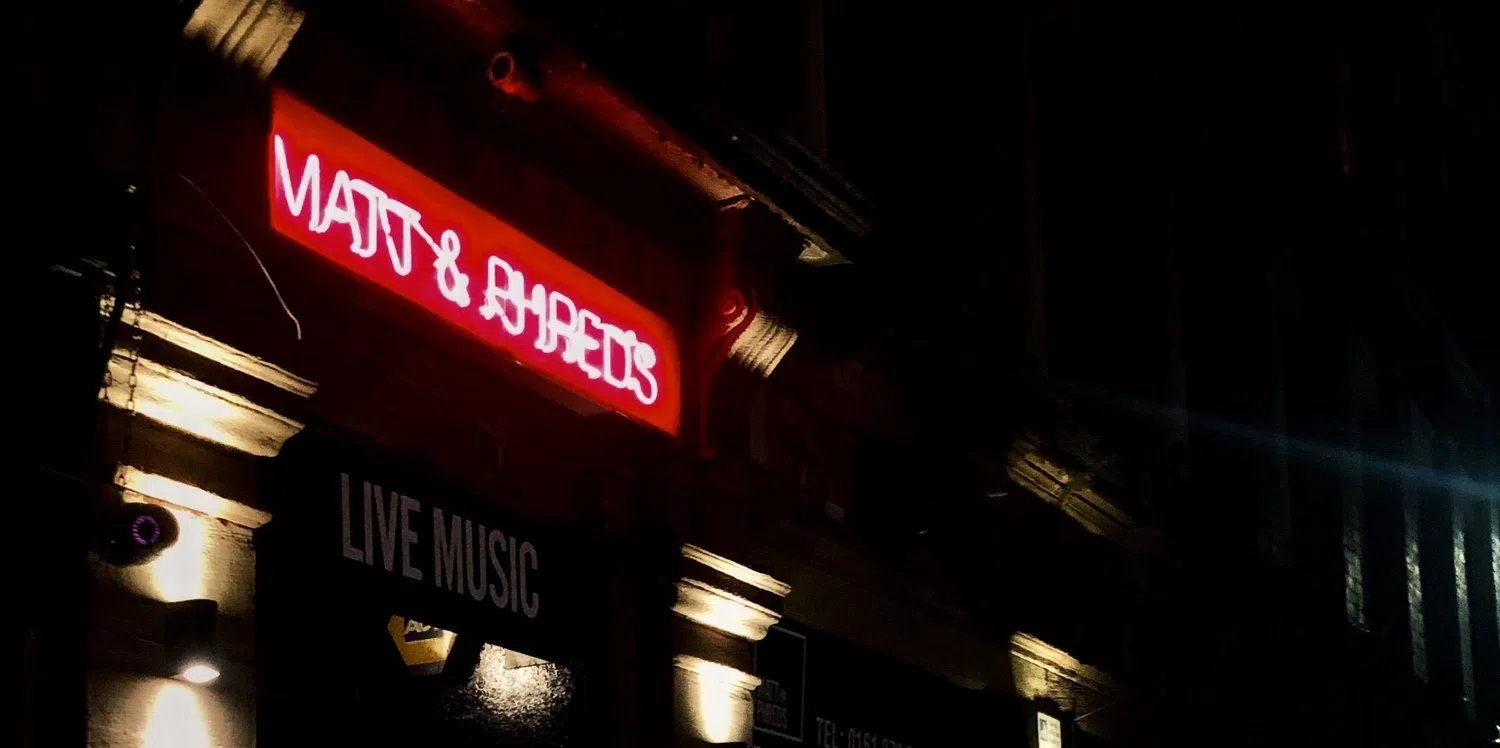
Manchester's relationship with jazz is quieter but unbroken, and Matt & Phred's (Northern Quarter) is its home — live jazz six nights a week, Monday to Saturday, with the club dark on Sundays. It is one of the most group-friendly rooms here: you book a table for your party, order pizza and cocktails at moderate prices, and let local and touring players do the rest. There is a small door charge some nights. Reserve ahead at weekends and you have a whole evening solved.
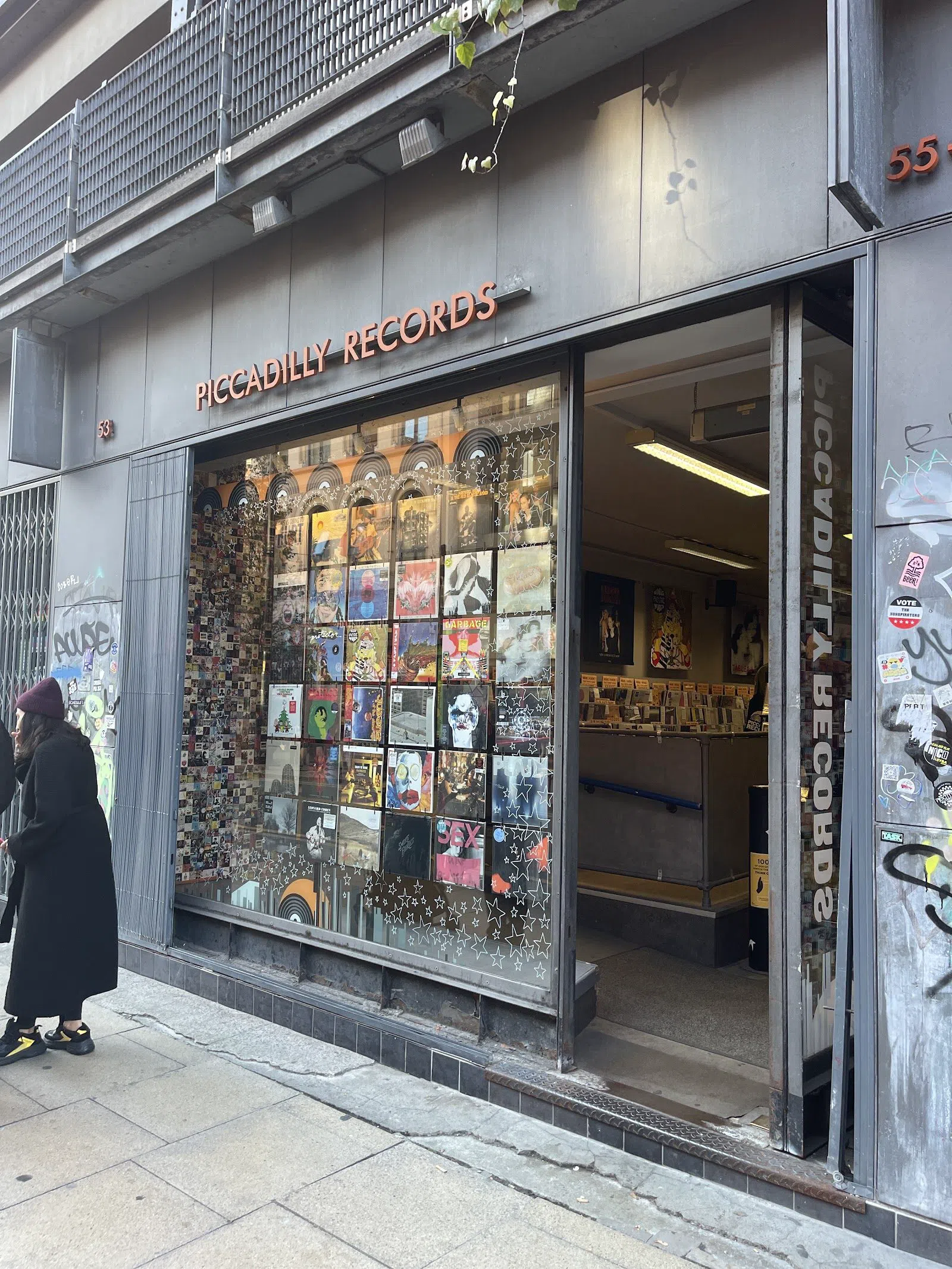
No account of the district is complete without its record counter. Piccadilly Records (Northern Quarter) has traded since 1978 and is repeatedly voted among the best shops of its kind in the world. It is free to browse, with LPs running roughly £10 to £35, and the staff recommendations are the fastest shortcut a visitor has to what the city actually sounds like right now. It is a small shop, though — fine for browsing in twos and threes, awkward for a crowd.
Round off the area at SOUP (Northern Quarter), the venue formerly known as Soup Kitchen and now simply SOUP. The upstairs bar is easy and group-friendly; the intimate basement is where the interesting bookings happen, an incubator for experimental, electronic and indie acts with a proper late-night club energy. Gigs run free to around £15, drinks moderate. It is scrappier than Band on the Wall by design, and better for it.
Chapels, ballrooms and halls: the grand rooms
Manchester's larger venues are unusual in that so many of them are repurposed buildings with lives of their own, and the setting does a great deal of the atmospheric work.
The clearest example is Albert Hall (city centre, off Peter Street), a Grade II-listed Wesleyan chapel that reopened in 2012 and is now, with little argument, one of the most atmospheric mid-to-large rooms in the country. It holds around 2,500 standing, so it absorbs groups comfortably, and the door policy is standard for a gig of that size. Tickets run £25 to £60 depending on the act. Come for the room as much as the bill.
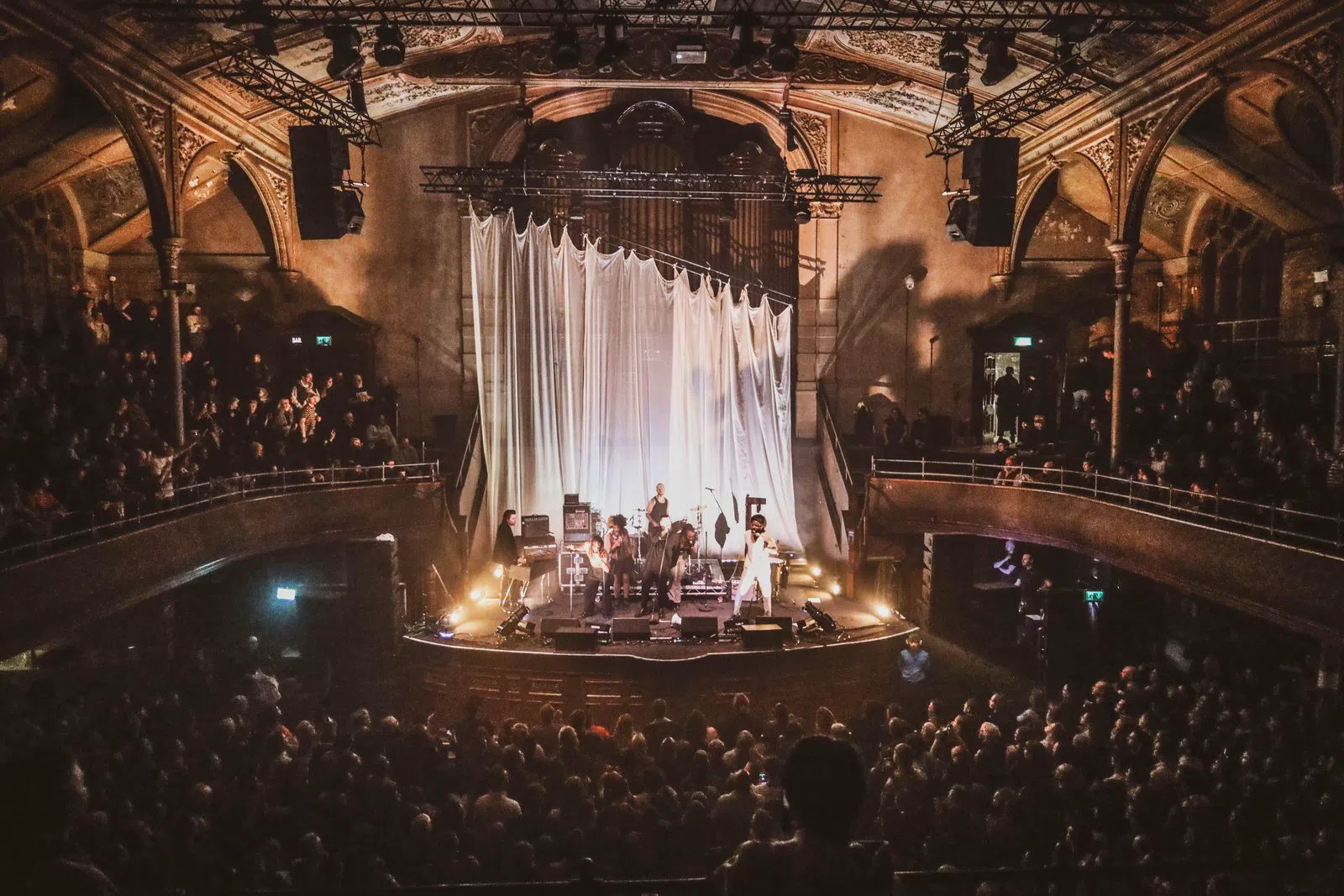
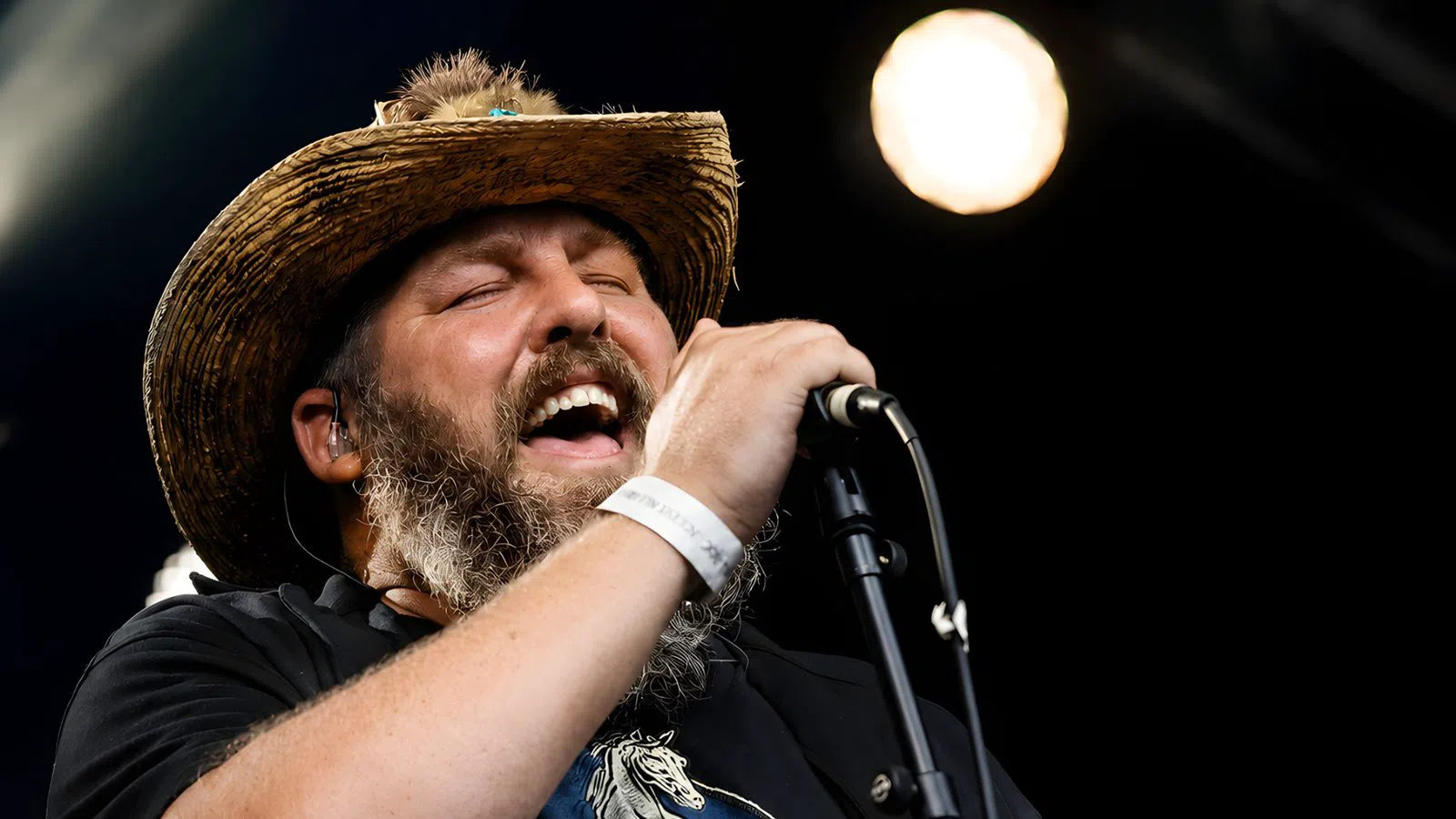
A short walk south, O2 Ritz (city centre, Whitworth Street West) is a 1928 ballroom, Grade II-listed, where The Smiths played their first gig. Its sprung floor still bounces under a full crowd — a genuine Manchester rite of passage rather than a marketing line. Capacity is around 1,500 standing, it is group-friendly, and the door is the usual arrangement for a venue of its scale; tickets £20 to £45.
Up in the NOMA district north of the centre, New Century Hall (NOMA) is a restored 1960s hall where Hendrix, Pink Floyd and The Who all once played, reopened in 2022 with a bookable street-food hall and bars beneath the gig space. It is excellent for groups precisely because it solves dinner and the show in one building: food-hall entry is free, gigs run £15 to £35. Eat downstairs, then go up.
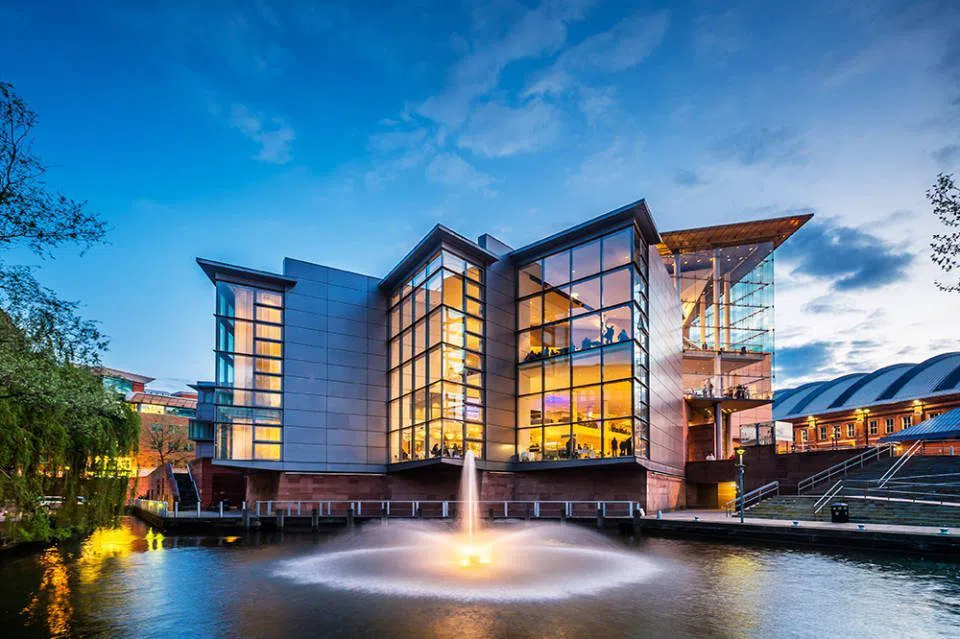
For the city's classical anchor, The Bridgewater Hall (city centre, Barbirolli Square) is home to the Hallé — one of Britain's oldest orchestras — and the BBC Philharmonic, staging more than 280 concerts a year. These are formal, seated occasions; group bookings and discounts are available, with tickets from £15 to £70 depending on the programme. It sits at the opposite end of the spectrum from a Castle Hotel back room, and a trip that takes in both understands the city better for it.
The small stages of the student belt
South of the centre, the Oxford Road corridor runs through the universities, and its venues carry the restless, new-band energy that keeps the whole ecosystem fed.
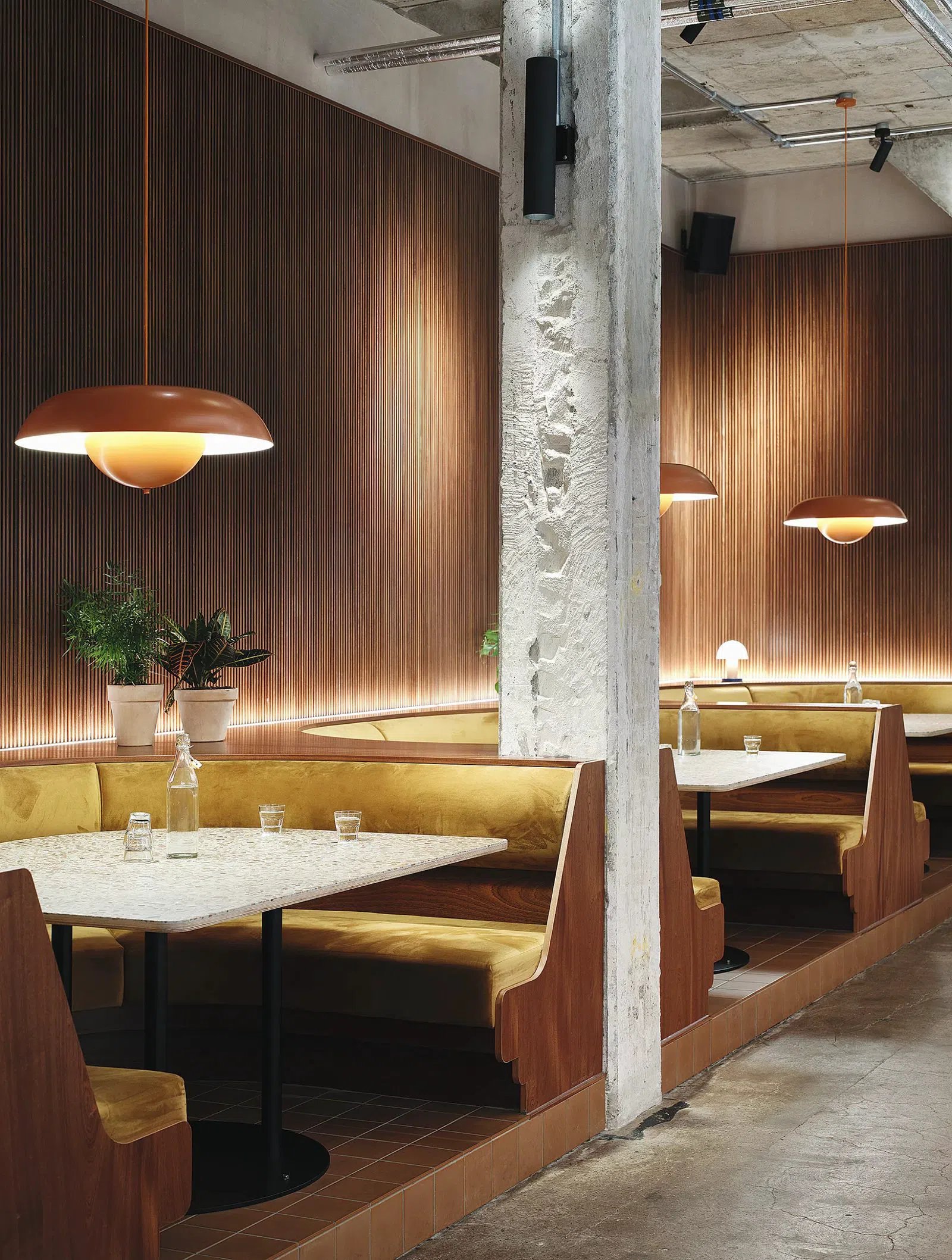
The Deaf Institute (Oxford Road) was saved from closure during the pandemic and is now thriving across three floors — a café, a basement bar and a 260-capacity music hall crowned by a domed ceiling that makes it one of the prettiest small stages in the city. The door is relaxed and it handles groups well; gigs run £12 to £25, club nights moderate.
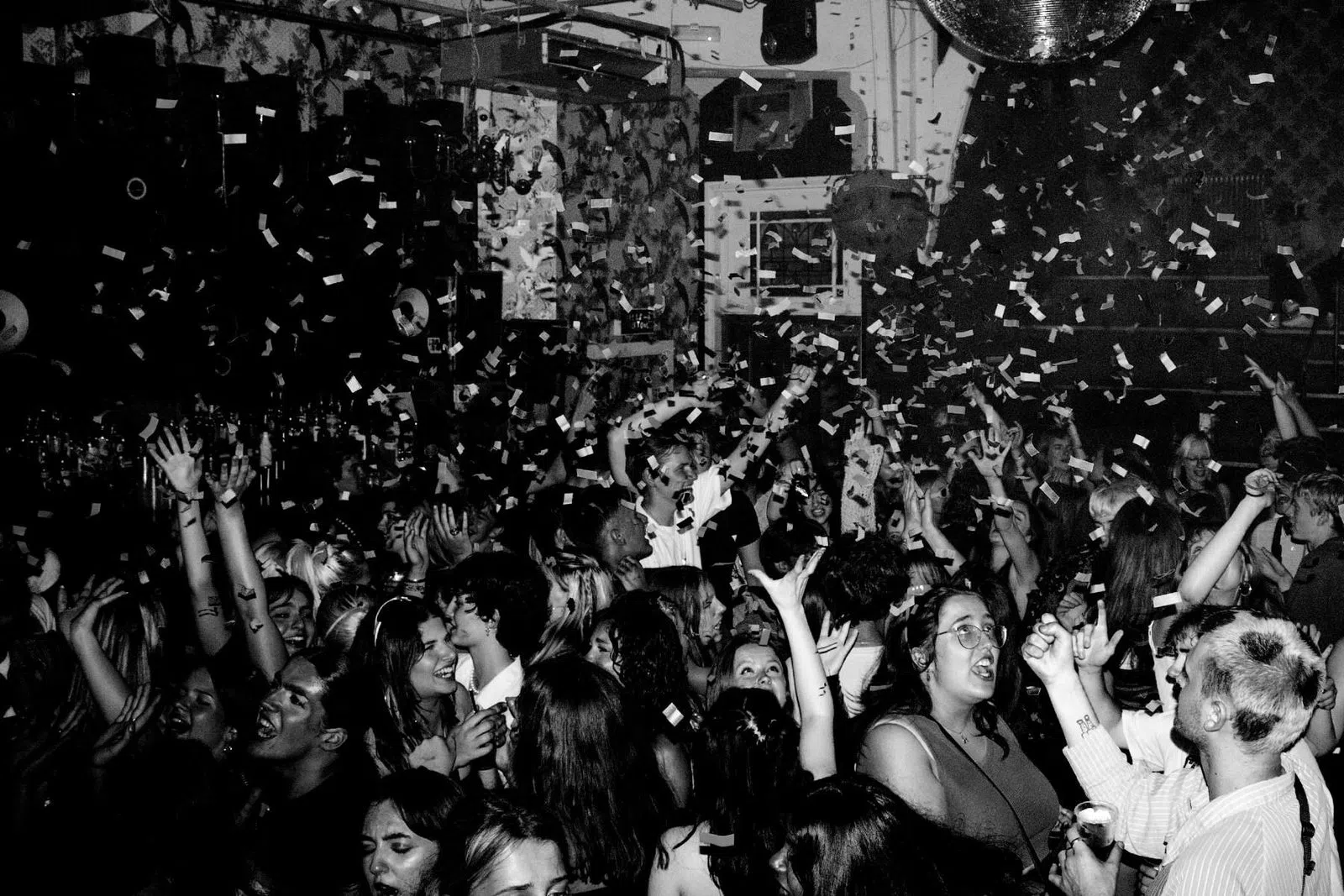
Nearby, YES (city centre, Charles Street) is run by the respected promoters Now Wave and built for a whole day's hang rather than a single show. The ground-floor bar and kitchen are free to enter, with ticketed gig rooms above and a rooftop in summer. It is very group-friendly — settle in downstairs, catch a new band upstairs — with gigs £10 to £25.
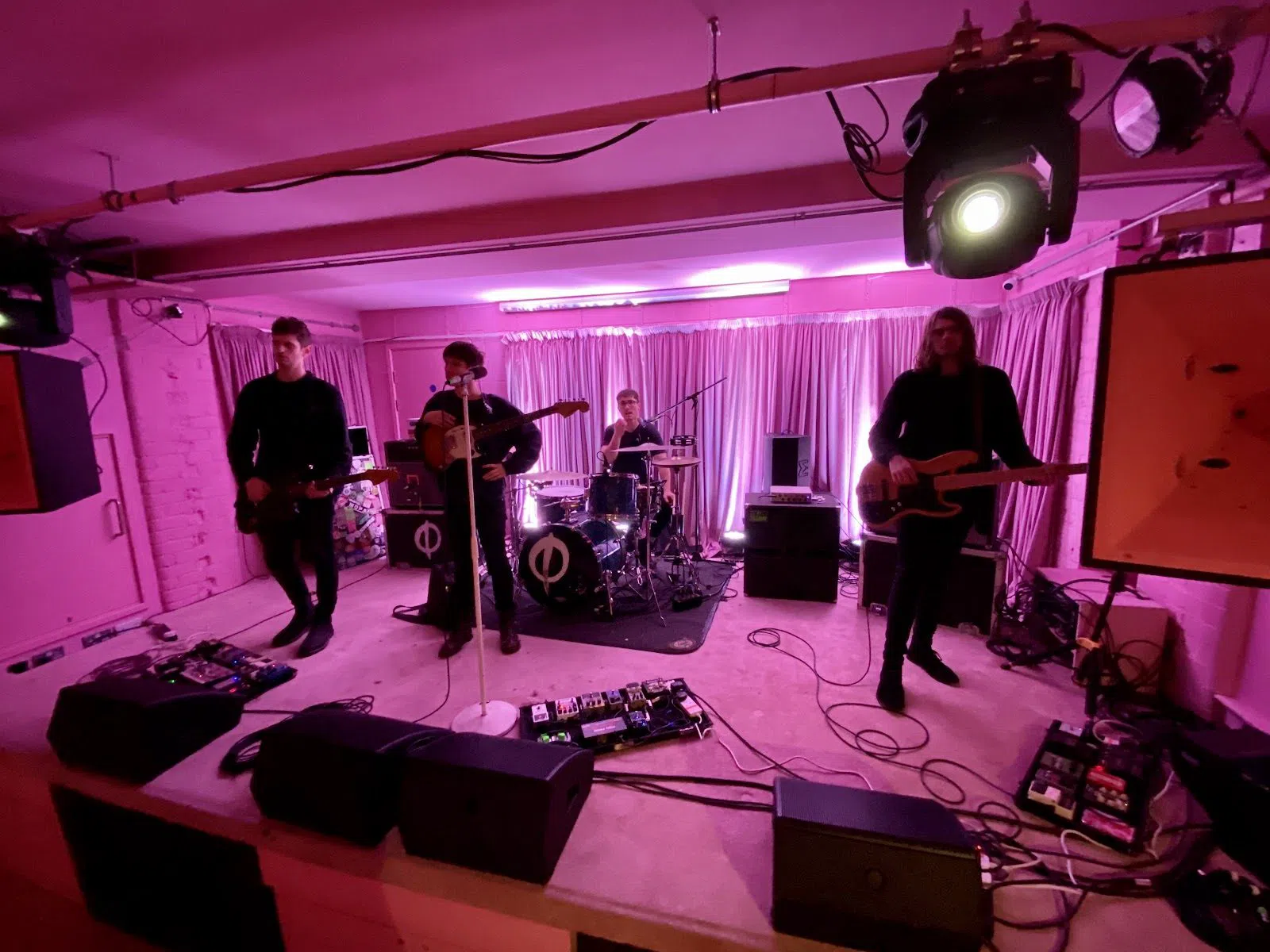
After midnight, and at arena scale
Two venues sit at the extremes of size, and both reward planning ahead.
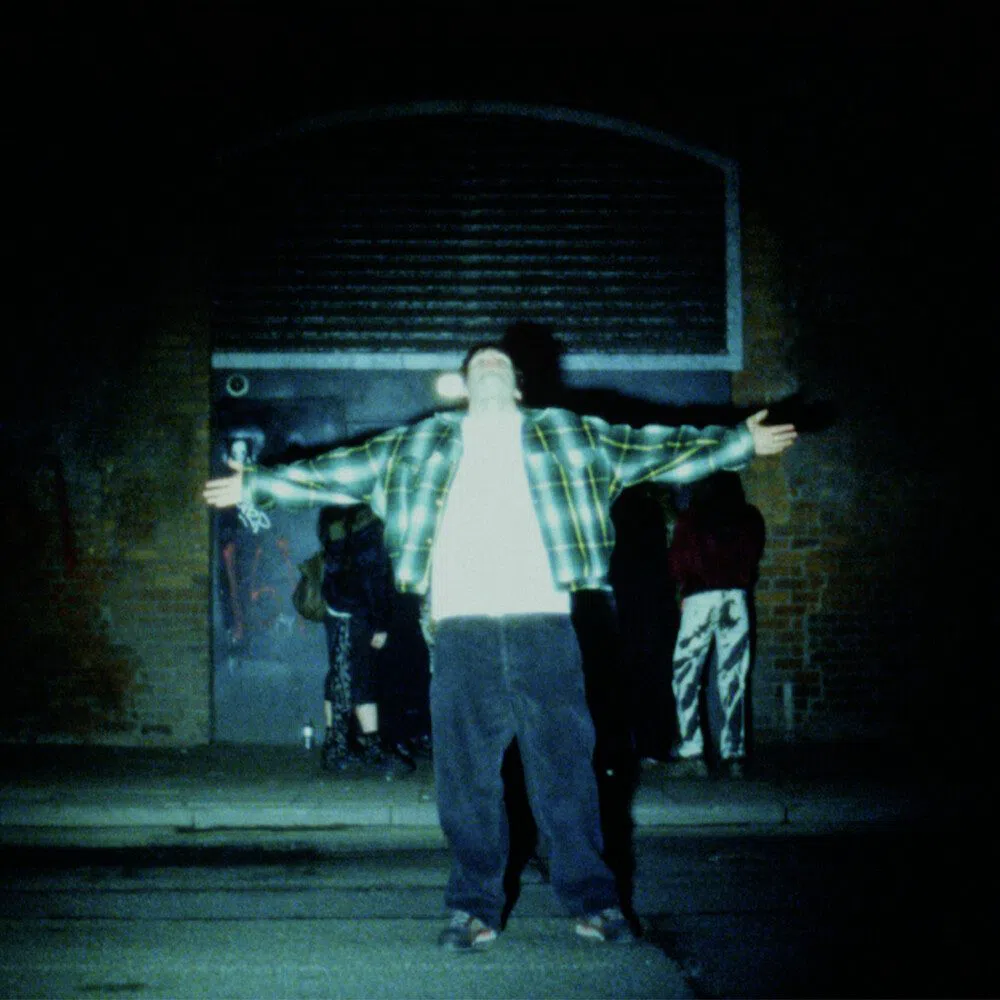
The Warehouse Project (Depot Mayfield, beside Piccadilly station) is the city's flagship club series, marking its 20th year in 2026 inside the cathedral-like Depot Mayfield. It is built for groups and clubbers, but the door is strict late-night club policy — ID required, over-18s only, security search on the way in — and the season runs roughly September to January, so check the dates before you build a trip around it. Events cost £30 to £55. It is not a drop-in; it is a night you commit to.
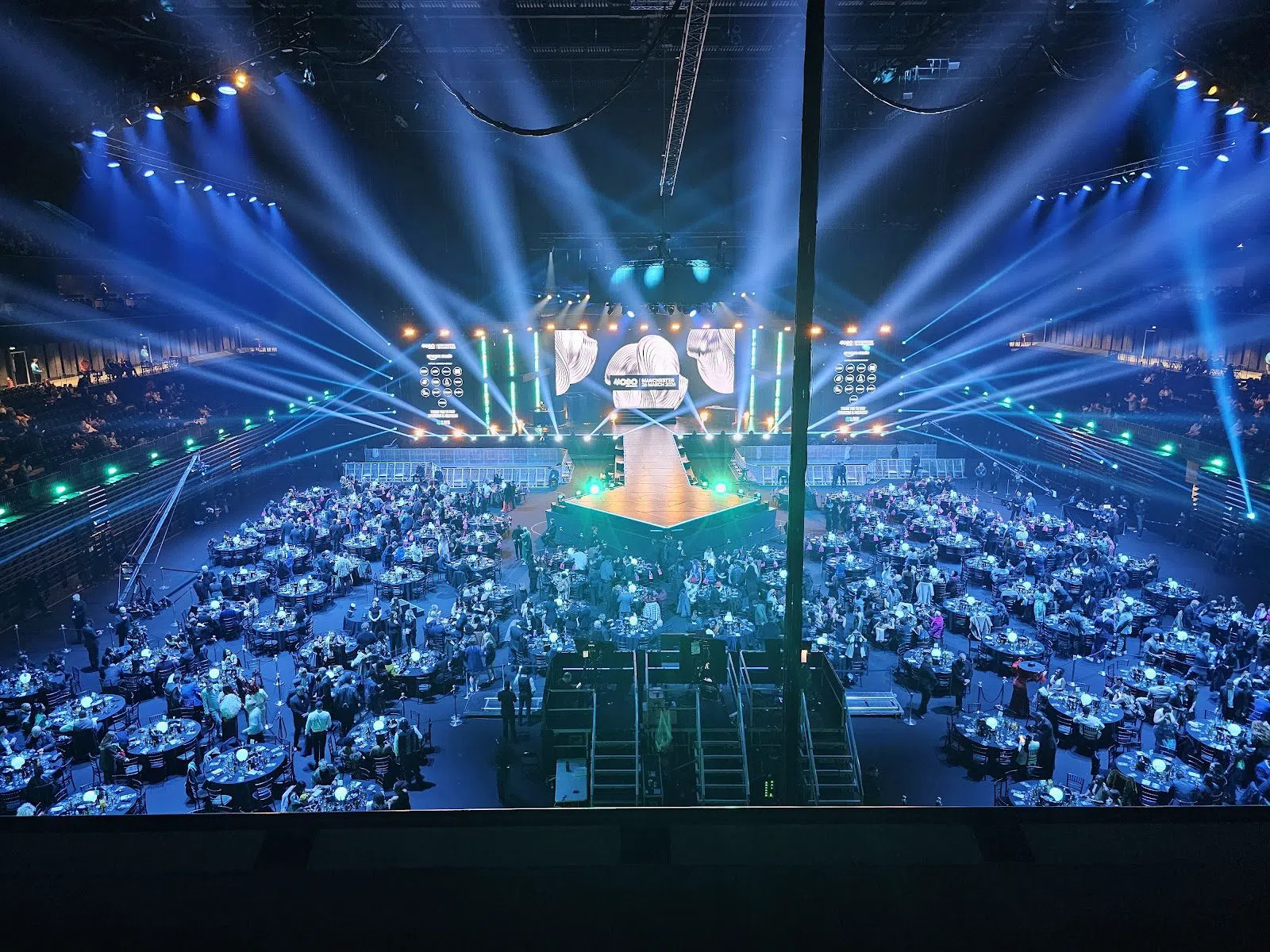
At the other end, Co-op Live (Etihad Campus, east of the centre) opened in 2024 as the UK's largest indoor arena and now hosts the BRIT Awards. This is where a stadium-scale headliner plays when they come to town, with standard arena security and ticketing and prices from £40 to well past £150 depending on the act. It has none of the intimacy of the rooms above, and makes no pretence otherwise — but if the name on the marquee is big enough, it is the only place to see them.
Reading the city on foot
If you want the connective tissue between all of this, Manchester Music Tours (city-wide, walking and minibus) is the definitive Madchester, Factory and Oasis walk. It was founded by the late Craig Gill, drummer of Inspiral Carpets, and still runs strongly under Rose and her team. Scheduled walking tours cost roughly £15 to £25 per person, and private, bespoke and minibus options are bookable for parties, which makes it one of the most naturally group-friendly things you can do here. Take it early in your stay — the gigs mean more once you know the ground they stand on.
Practicalities
Getting around. The core of this guide is walkable: the Northern Quarter, the grand rooms and the Oxford Road venues sit within a compact centre. For the outliers, the Metrolink tram network reaches the Etihad Campus for Co-op Live, and Depot Mayfield sits beside Piccadilly station; mainline trains arrive at Piccadilly and Victoria. Late at night, licensed taxis and ride apps are straightforward, though expect queues when an arena show empties out.
Cash and payment. Contactless cards work essentially everywhere — bars, box offices, trams and taxis — so you need very little cash. A small amount is still worth carrying for the tiniest pub gigs and cloakrooms. Prices above are in pounds sterling (£).
Timing. Weeknight gigs in the smaller rooms are easy to get into on the day; weekend shows at the Castle Hotel and Matt & Phred's reward booking ahead. The Warehouse Project is seasonal (roughly September to January) — do not plan a summer trip around it. Classical concerts at the Bridgewater Hall and arena dates at Co-op Live sell in advance, so fix those first and build the rest around them.
Budget. A realistic night runs from nothing at all — a free bar gig at Night & Day or YES — through £15 to £30 for most mid-sized shows, up to £55 for a club event and £150-plus for an arena headliner. A sensible plan pairs one ticketed show with a free-entry bar or record-shop hour on either side.
Where to stay. Base yourself near the Northern Quarter or the city centre and almost everything here is on foot; start your search with the Manchester hotel search and work outward from the venues you have tickets for.
Before you go
What is the best area to stay for Manchester's live music?
The Northern Quarter and the central core put you within a ten-minute walk of most venues in this guide — Band on the Wall, the Castle Hotel, Matt & Phred's, the Albert Hall and the O2 Ritz among them. Only Co-op Live (Etihad Campus) and the Warehouse Project (Depot Mayfield) sit outside easy walking distance, and both are reachable by tram or train.
Which Manchester venues are best for a large group?
Band on the Wall, New Century Hall, YES, Matt & Phred's and Manchester Music Tours all handle groups comfortably, with bookable tables or private options. The Castle Hotel (around 80 capacity) and Piccadilly Records are better for pairs or small groups — big parties will struggle for space.
Is the Warehouse Project open all year in 2026?
No. The Warehouse Project runs a seasonal programme, roughly September to January, and marks its 20th year in 2026 at Depot Mayfield. It also enforces a strict late-night club door: over-18s only, ID required and a security search on entry. Check dates before building a trip around it.
How much should I budget for a gig in Manchester?
Small and new-band shows run from free to about £15, most mid-sized gigs fall between £15 and £30, club nights at the Warehouse Project cost £30–£55, and arena headliners at Co-op Live start around £40 and climb past £150. Bridgewater Hall classical concerts span £15–£70.
Do I need cash for a night out at Manchester music venues?
Rarely. Contactless card payment works at bars, box offices, trams and taxis across the city, so you can get through a full night without cash. It is still worth carrying a little for the smallest pub gigs and cloakrooms.