
Forty years ago this stretch of water was one of the busiest inland docks in England, unloading cargo from the Manchester Ship Canal until container shipping made the basins obsolete and trade collapsed almost overnight. The docks closed in 1982 and sat derelict through most of the decade — empty warehouses, silted water, a stretch of Salford that the rest of Manchester had more or less written off. What grew back from that is now one of the country's most complete regeneration stories: a national theatre and gallery, a working television and radio studio complex, a food-and-drink scene built entirely from scratch, and, at the far end, a war museum shaped like a shattered globe. This walk follows that story in the order it makes most sense — starting at the cultural anchor that made the rebuild possible, and finishing where Trafford Park's munitions factories once stood.
The Lowry: Where the Walk Starts
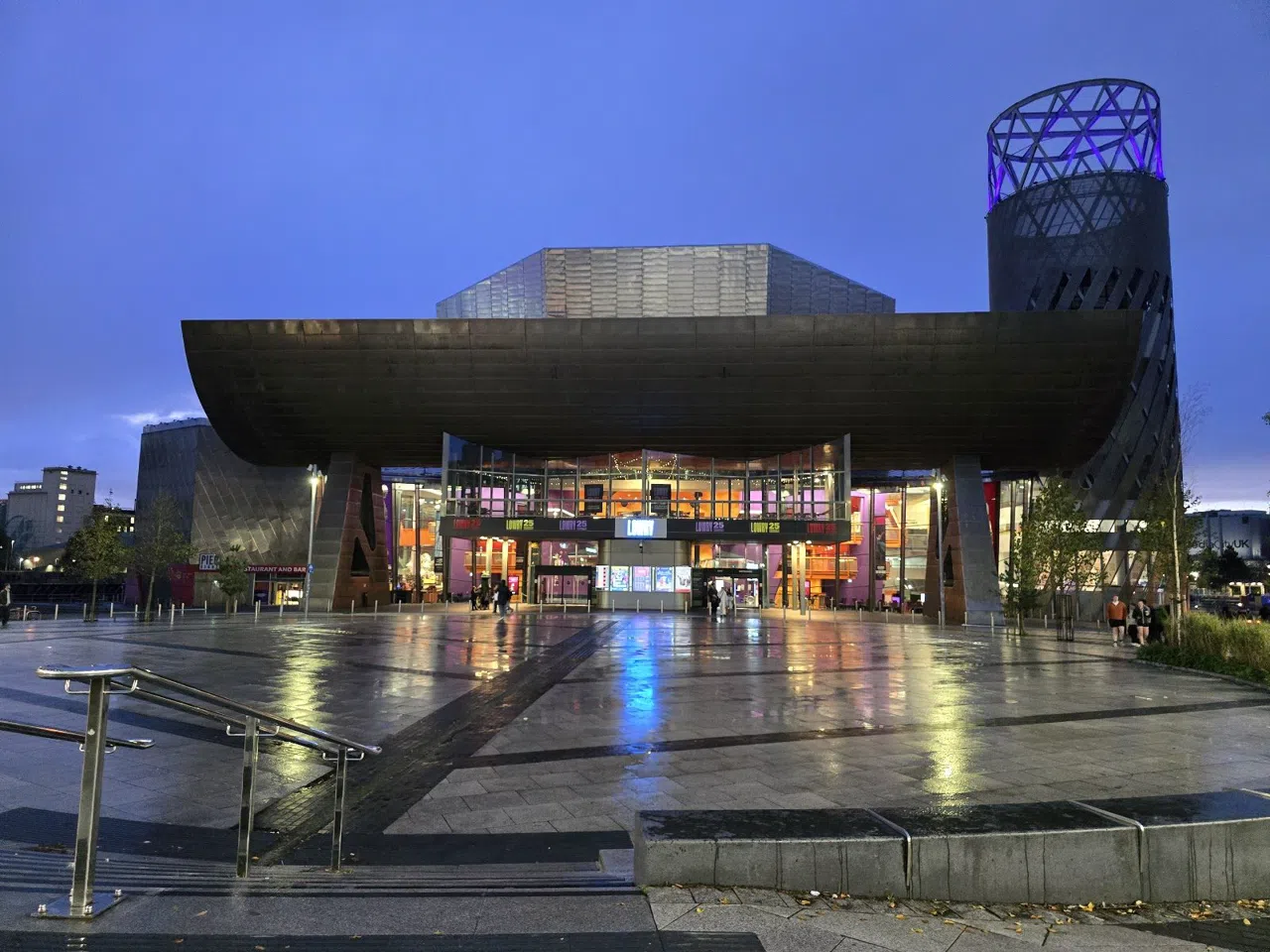
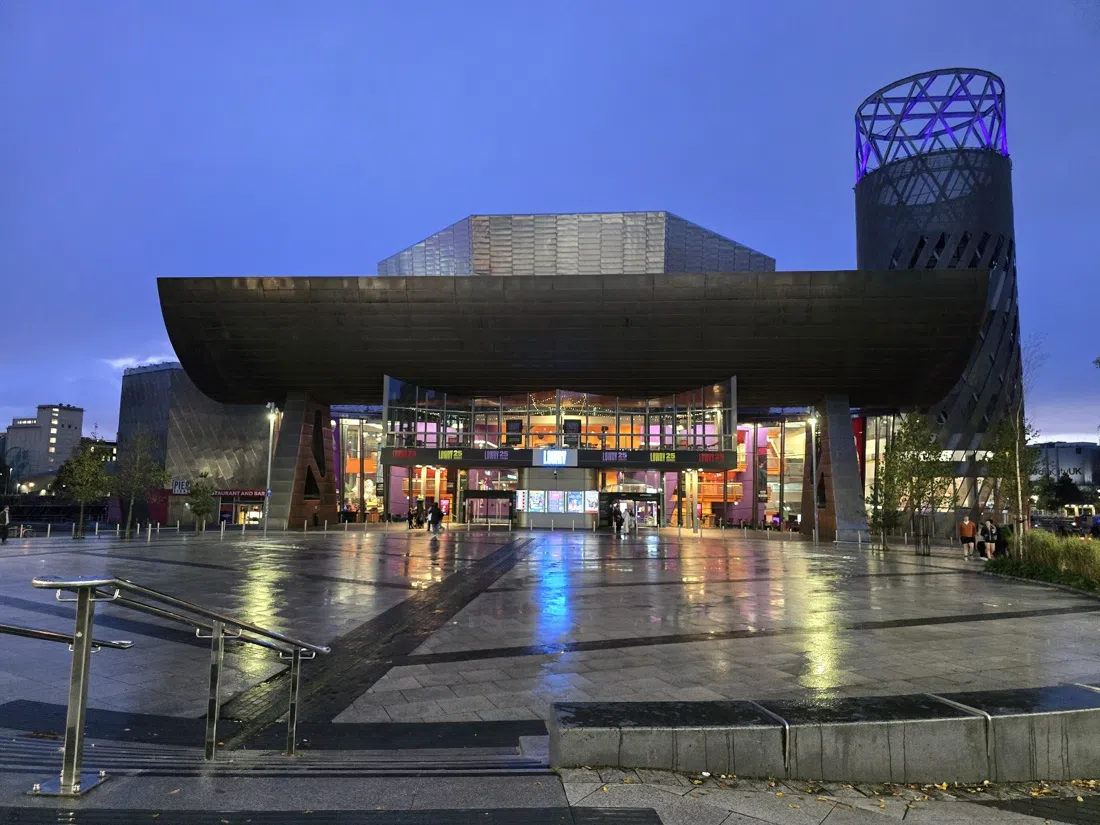
The Lowry (Salford Quays) is the reason any of this exists. When it opened in 2000, it was a genuine gamble — a theatre and gallery complex dropped onto a derelict dock on the bet that culture, not just housing, could anchor a regeneration. It worked well enough that MediaCityUK followed a decade later. The galleries holding L.S. Lowry's paintings of Salford's industrial streets are free to enter, and the approach from the tram stop is flat and step-free the whole way, which matters if you're bringing a pram or a wheelchair. Theatre tickets for touring shows and new work start around £15, and group bookings for both the shows and the exhibitions are actively taken — worth arranging ahead if you're bringing more than four or five people, since the building genuinely gets busy on show nights.
If you're combining the walk with an evening performance, Pier Eight (inside The Lowry) is built into the same building and specialises in slick pre-theatre service — fixed-price menus from around £20, timed so you're back in your seat before curtain. It's a room built for efficiency and small groups rather than atmosphere; go in expecting good, fast service rather than a long lingering dinner.
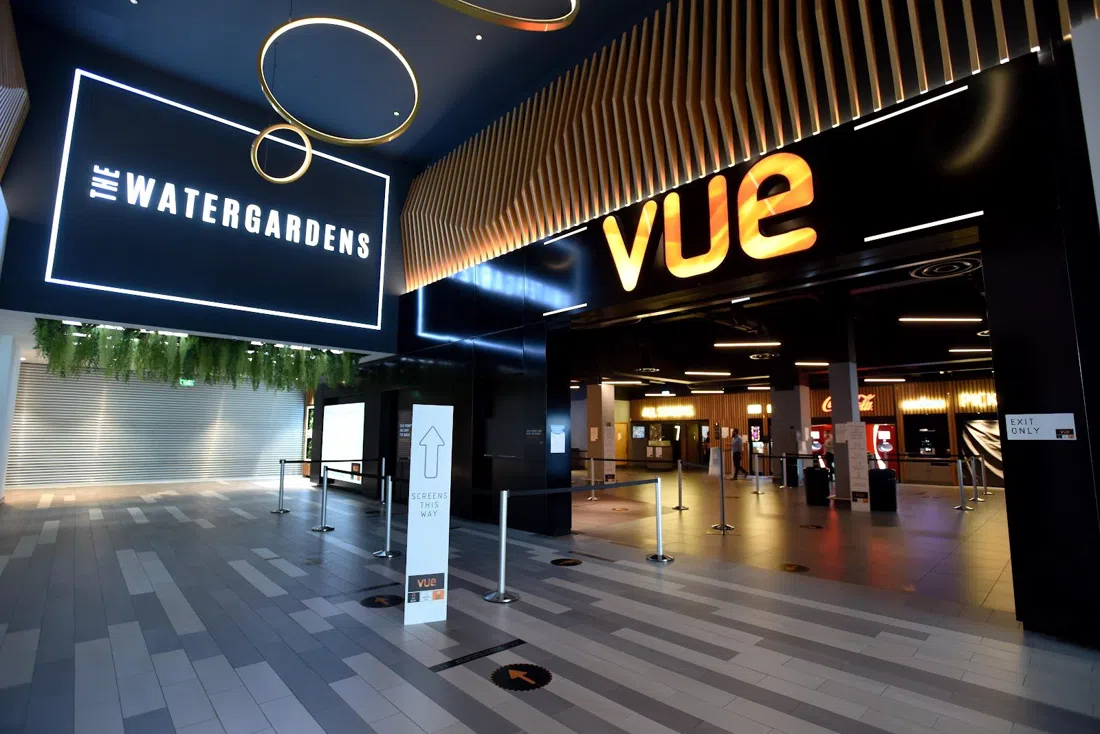
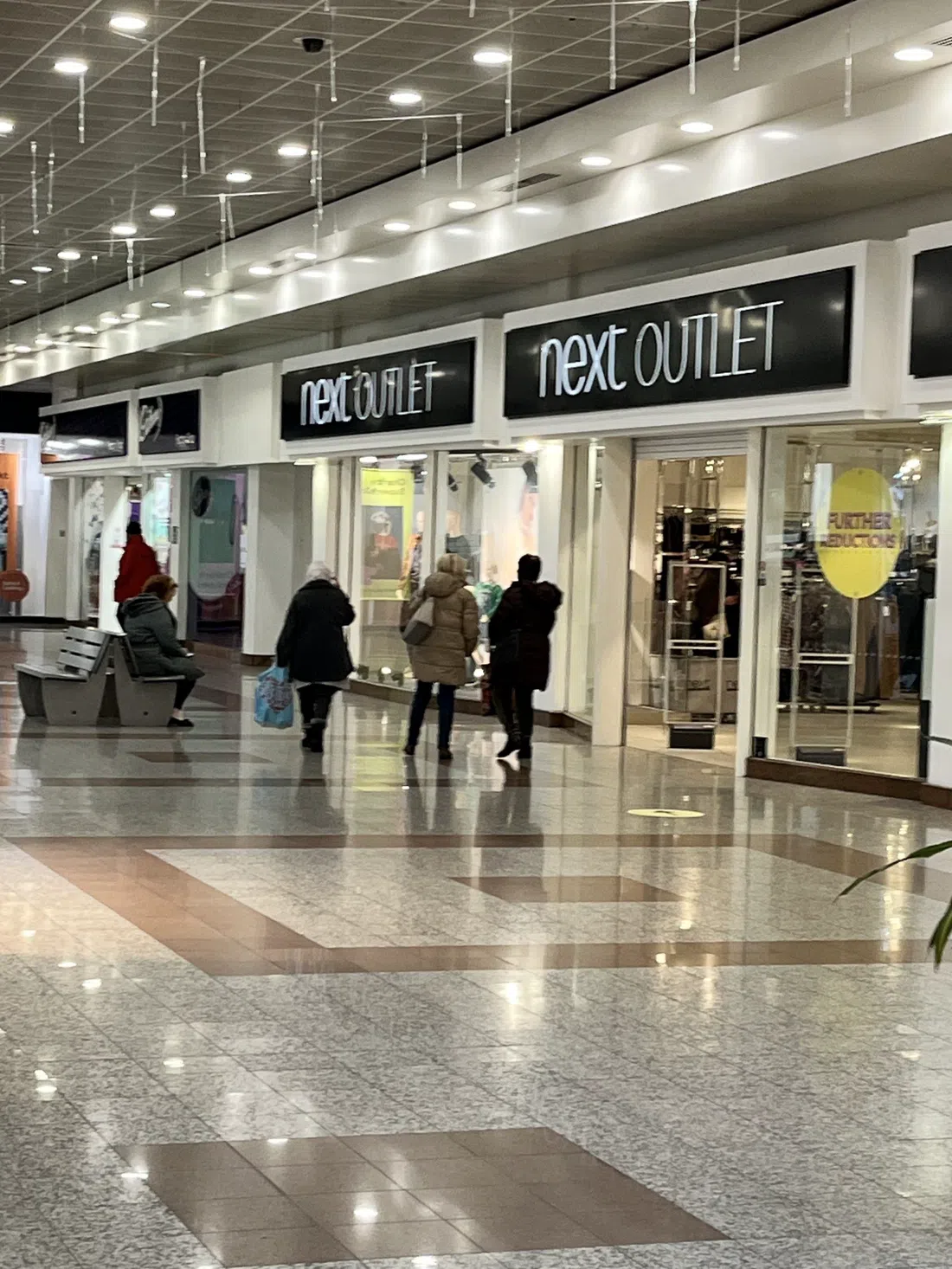
For a practical break, the Lowry Outlet (next to the theatre) is a large public mall on the water's edge with shopping, food and a cinema under one roof, open to anyone with no restrictions. Prices vary by store, as you'd expect from an outlet centre — it's a useful stop for essentials rather than a destination in its own right. If the Manchester sky turns, as it does with little warning, Vue Cinema Quayside (Lowry Outlet) is the fallback that keeps the whole day viable — tickets from about £7.99, with group screenings bookable for anyone who'd rather sit through the rain together than split up.
Crossing the Water: The Lift Bridge to MediaCityUK
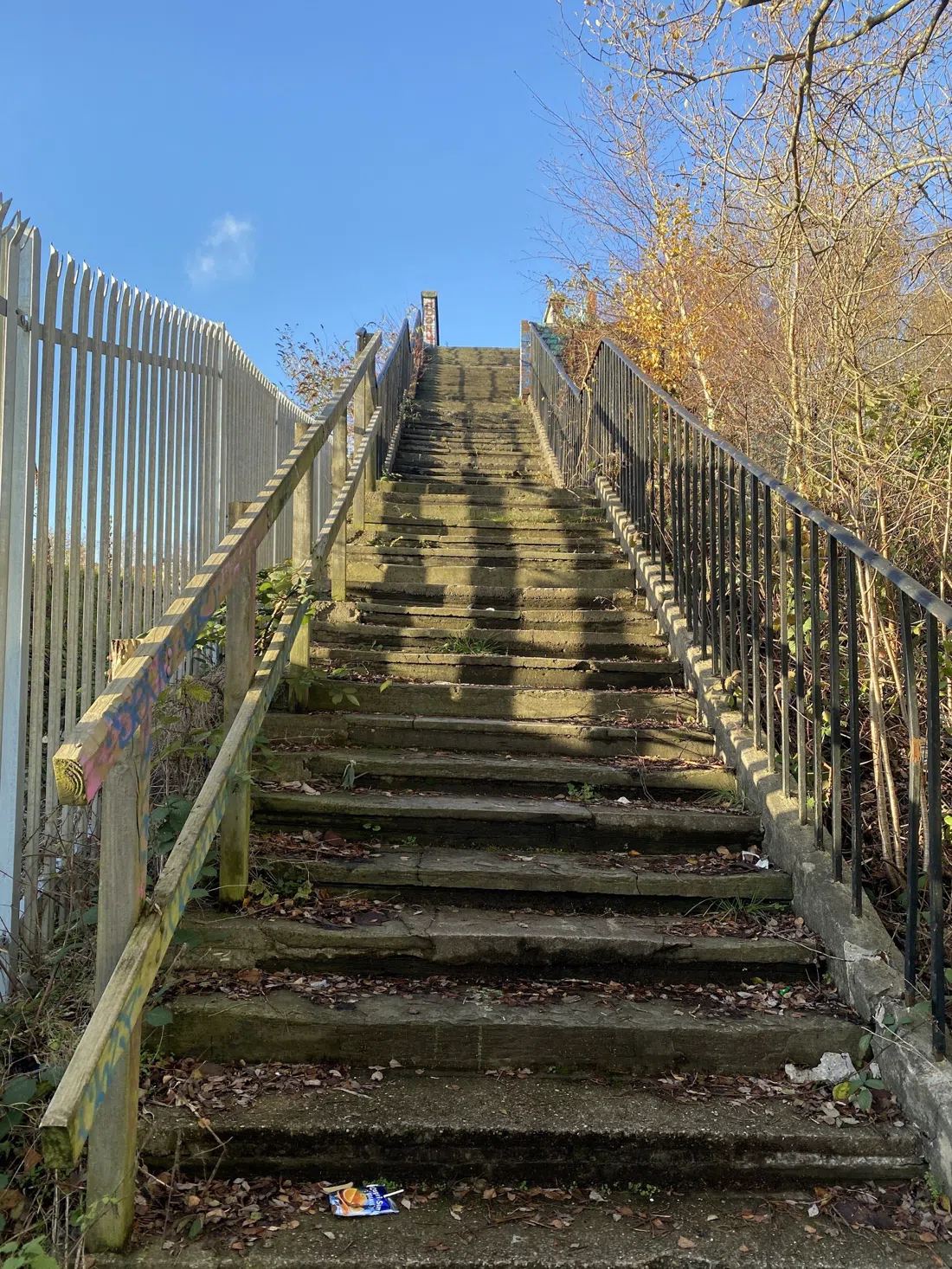
From The Lowry, the walk crosses the Salford Quays Lift Bridge, also known as the Lowry Footbridge — an open public footbridge, free and unrestricted, linking Salford Quays to Trafford Wharf. This is the single best vantage point on the entire route: dock walls and cranes on one side, glass-fronted studios on the other, the two halves of this regeneration story visible in one frame. It's worth stopping here properly rather than walking straight through. It's the photograph everyone ends up taking anyway, so you may as well take it deliberately.
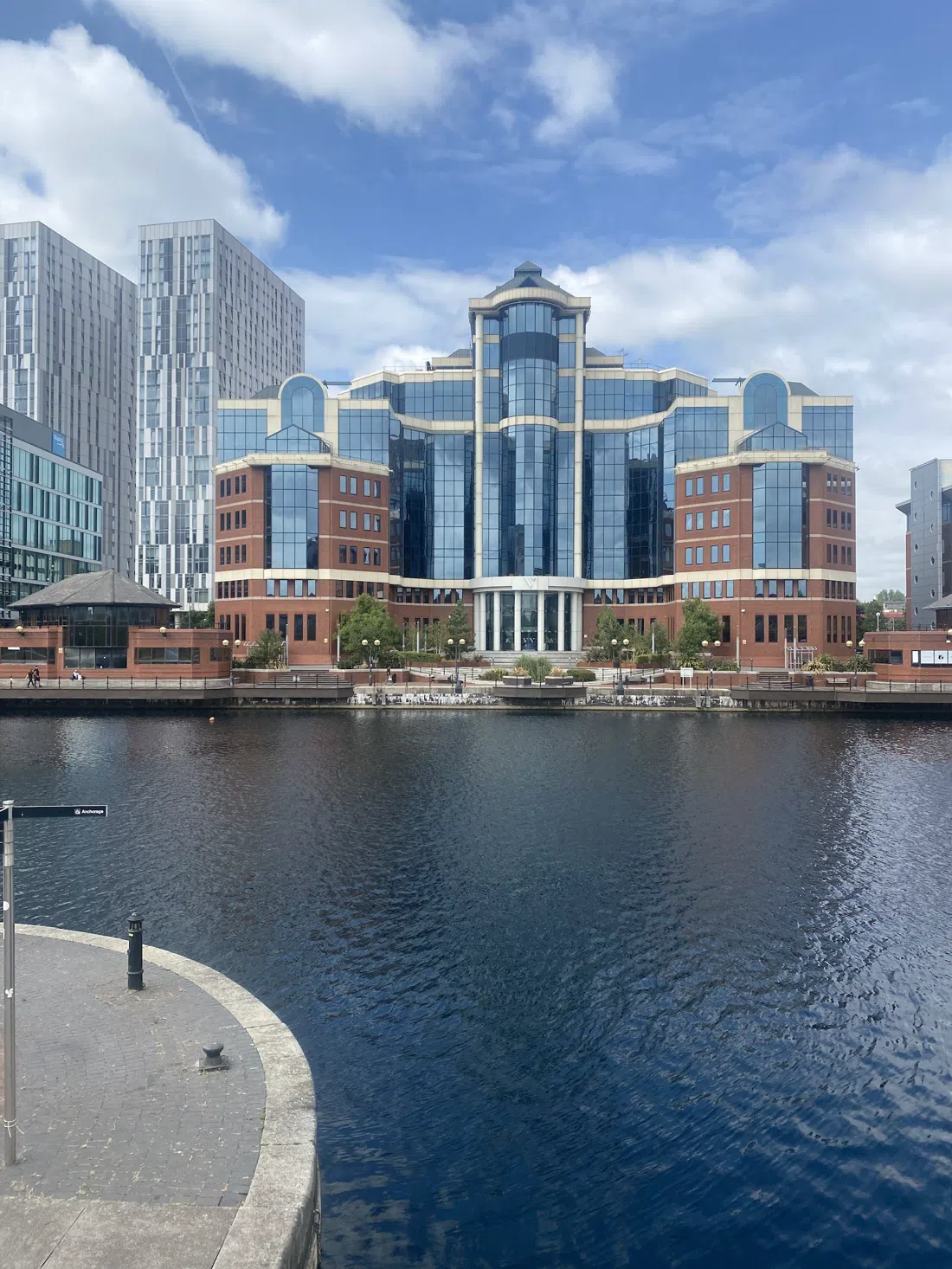
On the far side is MediaCityUK, and the clearest proof that the docks now run on broadcasting rather than cargo is the BBC Tour at MediaCityUK, a guided walk through a genuinely working site — Match of the Day, BBC Breakfast and CBBC are all produced here, not just headquartered here. Adult tickets run about £12.25, £8.25 for children, and it's a family-friendly booking with private group tours available for anyone organising more than a couple of families at once. Book ahead in school holidays; the slots fill, and there's no walk-up guarantee.
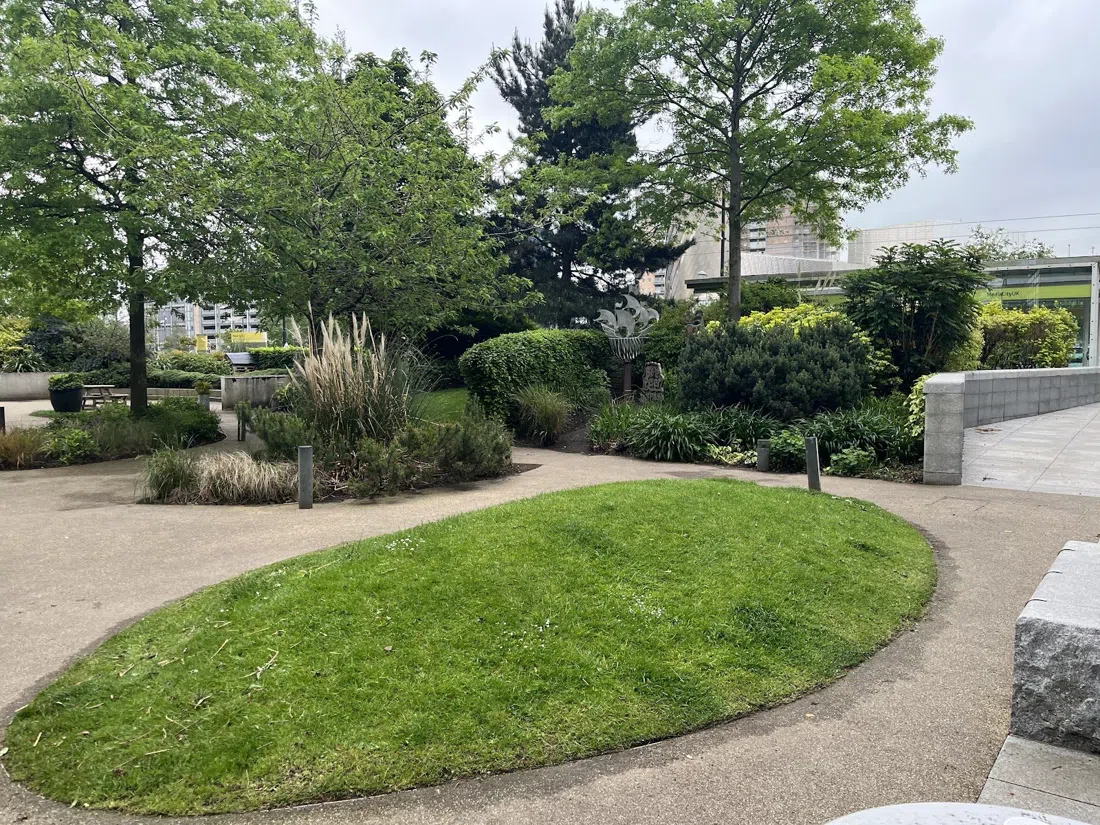
A short, flat, free detour off the main tour route is the Blue Peter Garden, transplanted here from the show's old London base along with sixty years of British children's television history — the totem pole, the sundial, the various memorial beds for past pets and past presenters. It takes five minutes and costs nothing, and it's a genuinely charming stop rather than a tourist obligation; even visitors with no memory of the programme tend to find it disarming.
Eating and Drinking on the Quays
None of the Quays' food and drink scene existed before the water came back to life, and it now covers most of what a group walking a few miles in a day actually needs.
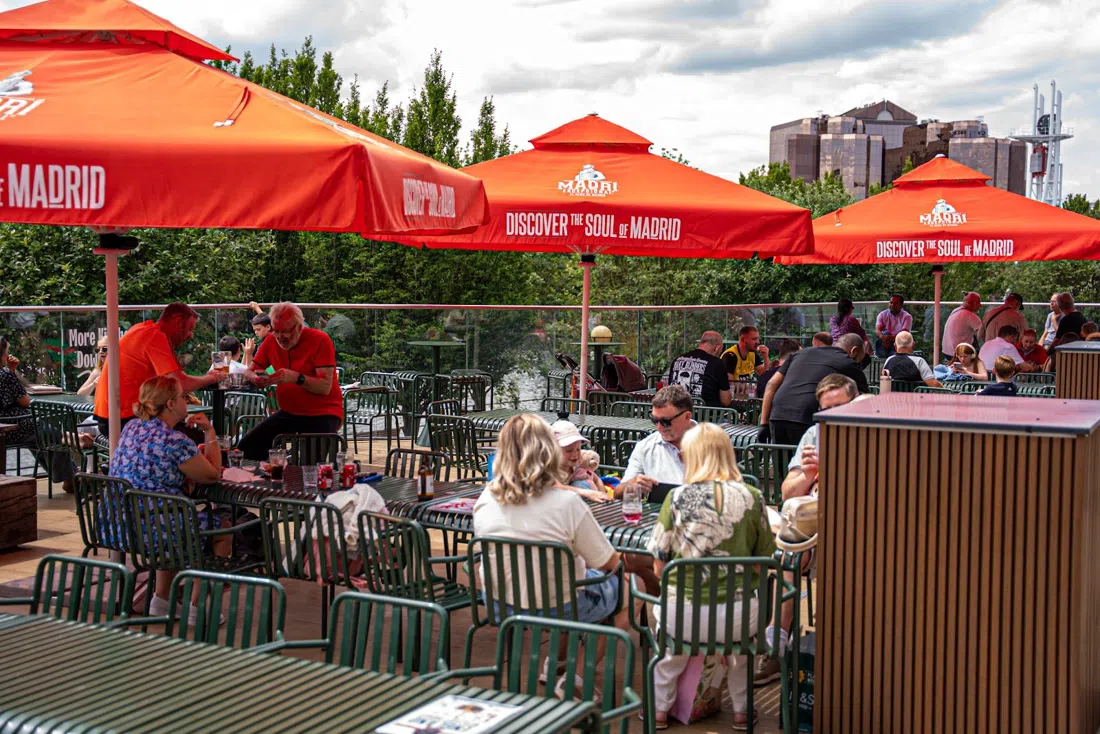
For an evening drink with some theatre to it, The Alchemist is the best sundowner on the Quays: cocktails built and lit for a show, served against the working dock backdrop through floor-to-ceiling glass. Cocktails run £12-14, mains £16-24, and it caters for large groups and private events — but booking ahead for evenings is genuinely recommended rather than a formality. It fills fast once the sun starts going down over the water.
If you're breaking the walk for lunch with a group, Turtle Bay is the reliable, lively option — Caribbean food and rum against a reggae soundtrack, mains around £12-18, with bottomless brunch bookings for groups and a family-friendly floor plan. It's not a subtle room, and it isn't trying to be one.
For something looser and split-the-bill, Kargo MKT is a food hall built around communal seating, which makes it the most flexible group-eating option on the whole route — everyone picks a different kitchen and ends up at the same table anyway, with dishes running roughly £6-12.
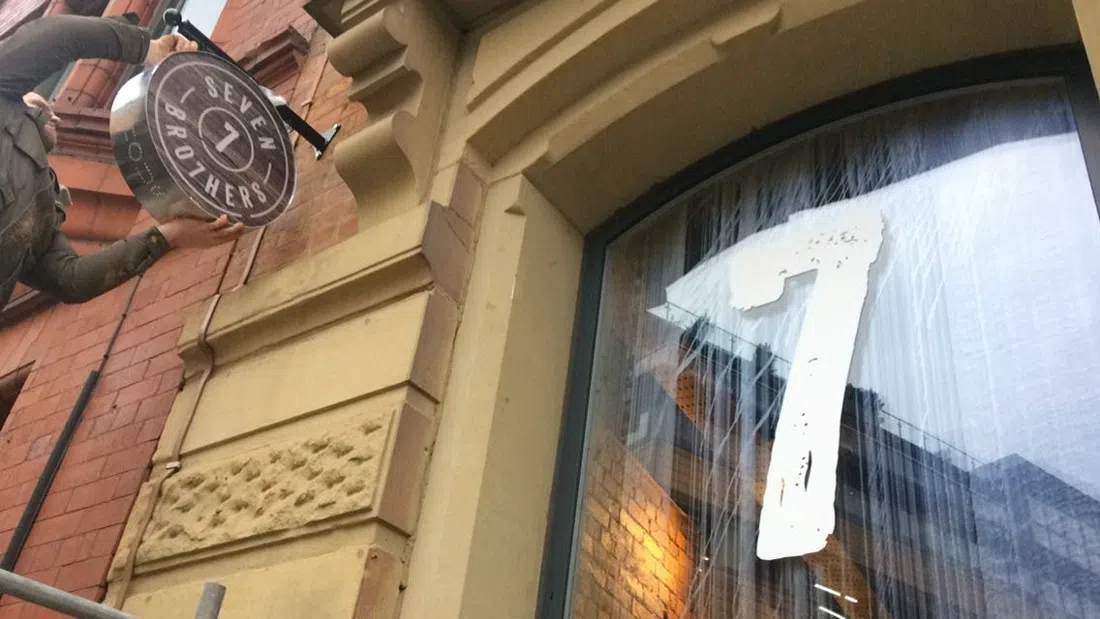
And for something that isn't a chain at all, 11 Central, run by Seven Bro7hers, is genuine local brewing rather than an import — pints around £5-6, with live music, bar games and space for group bookings. It fits the regeneration story better than almost anywhere else on the Quays: an independent business occupying ground that used to be entirely industrial, run by people rather than a corporate drinks group.
On the Water
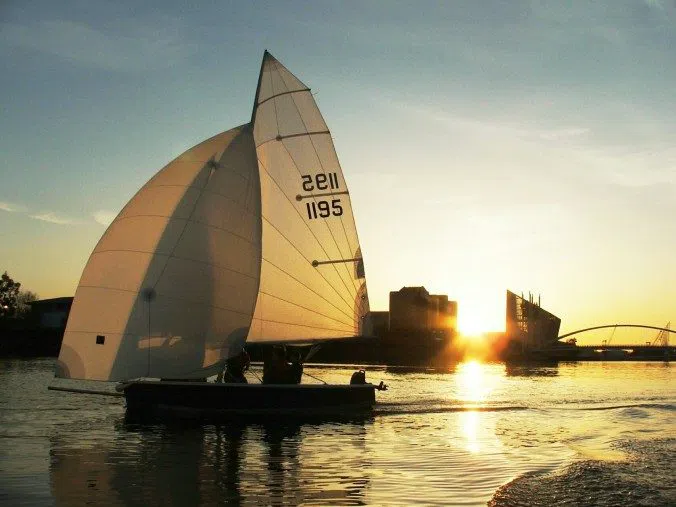
The most visually startling sign that the docks are properly alive again isn't a building at all. Salford Watersports Centre & Wake Park runs wakeboarding, paddleboarding and sailing sessions on the same water that once serviced cargo ships bound for the Manchester Ship Canal — sessions run £15-50 depending on activity and length, with both beginner and corporate group bookings available. You don't need to book a session to enjoy it. Standing on the dockside watching people wakeboard where container ships used to unload is, on its own, one of the clearest single images of what's happened here in the last forty years.
A Detour Into Older Salford
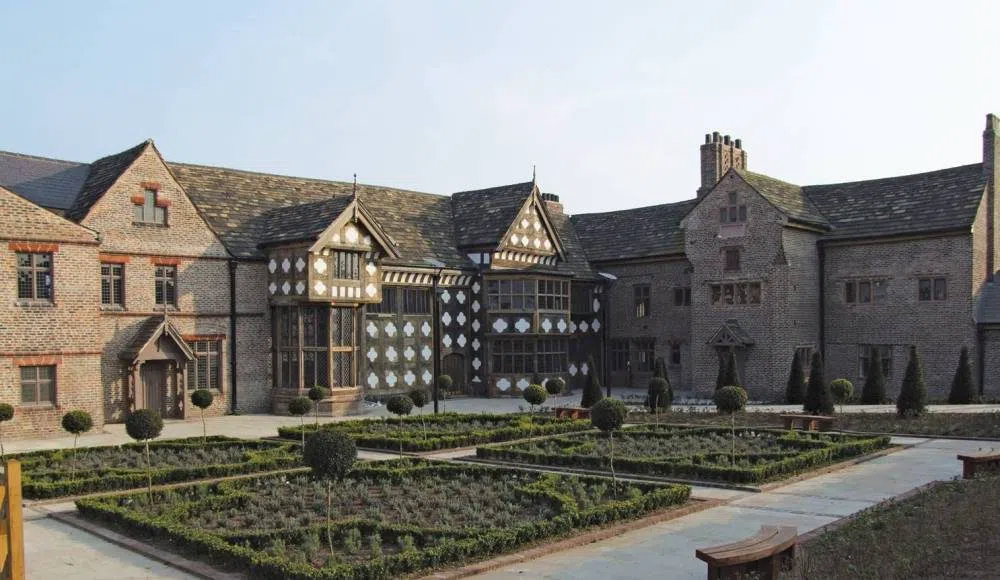
Not everything on this walk is about the docks. Ordsall Hall, a ten-minute walk from the Quays in Ordsall, is a genuinely worthwhile detour that puts the whole regeneration story into perspective: this timber-framed manor house predates MediaCityUK by roughly 750 years, and its history — Tudor intrigue, a long slide into slum housing, an eventual restoration as a museum — has nothing to do with cargo or broadcasting at all. Entry is free, donations are welcome, and guided group tours can be booked ahead. It isn't essential to the walk's arc, but it's the one stop that reminds you Salford's history didn't begin with the docks, or even come close.
The Finish Line: Imperial War Museum North
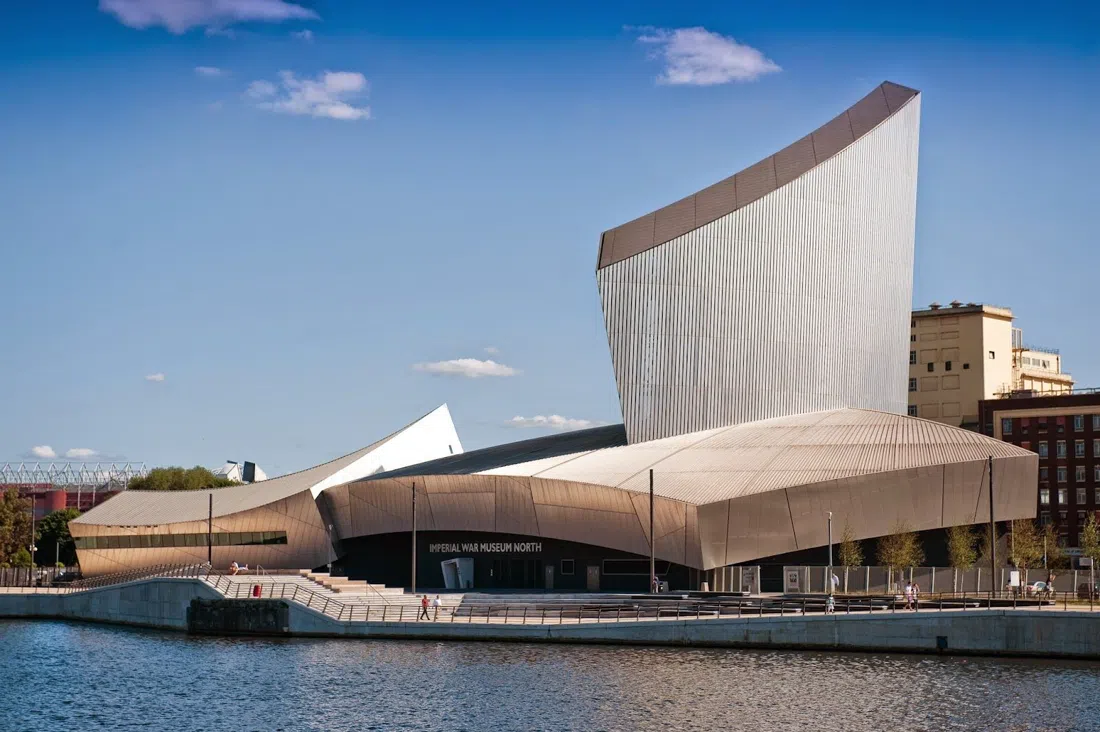
The walk ends, deliberately, on a hard note. Imperial War Museum North stands on the site once occupied by Trafford Park's munitions factories — ground that, during the Second World War, made this stretch of Manchester one of the most heavily bombed industrial areas in Britain outside London. Daniel Libeskind's building is as violent in its architecture as its subject: three interlocking shards meant to represent conflict fought on land, in the air and at sea, with a viewing platform that puts the whole of the Quays and the city beyond into a single sightline. Entry is free, no booking required, and large groups are genuinely welcome — there's no gatekeeping here at all, which feels right for a museum built to be seen by everyone rather than curated for a paying few. It's the natural place to stop, both because the exhibits demand a clear head and because, from the viewing platform, you can trace almost the entire route you've just walked.
Practical Information
Getting there and around: MediaCityUK and Salford Quays each have their own Metrolink tram stops on the Eccles line, and the whole walk — Lowry to Imperial War Museum North — covers roughly 2-3 kilometres of flat, step-free waterside path, easily done in an afternoon. If you're staying centrally, it's a short tram ride out and back; check Manchester hotel search for somewhere with a direct connection so you're not doubling back through the city centre at the end of the day.
Timing: Allow a full afternoon if you want to do the walk properly with stops — three to four hours covers the route plus a meal and one activity or tour. The BBC Tour and watersports sessions need booking ahead, especially at weekends and in school holidays; everything else — The Lowry's galleries, the bridge, Blue Peter Garden, IWM North — can be walked into without notice.
Cash and cards: Everywhere on this route takes cards; carrying cash isn't necessary, though it's worth having a little for anything informal on a market or event day at the Quays.
Budget: The walk itself costs nothing — the bridge, the galleries, Blue Peter Garden and IWM North are all free. A full day with the BBC Tour, one watersports session and a sit-down meal for two runs roughly £80-120 depending on how much you drink and whether you add a show at The Lowry. For more on the wider city, see the Manchester guide.