
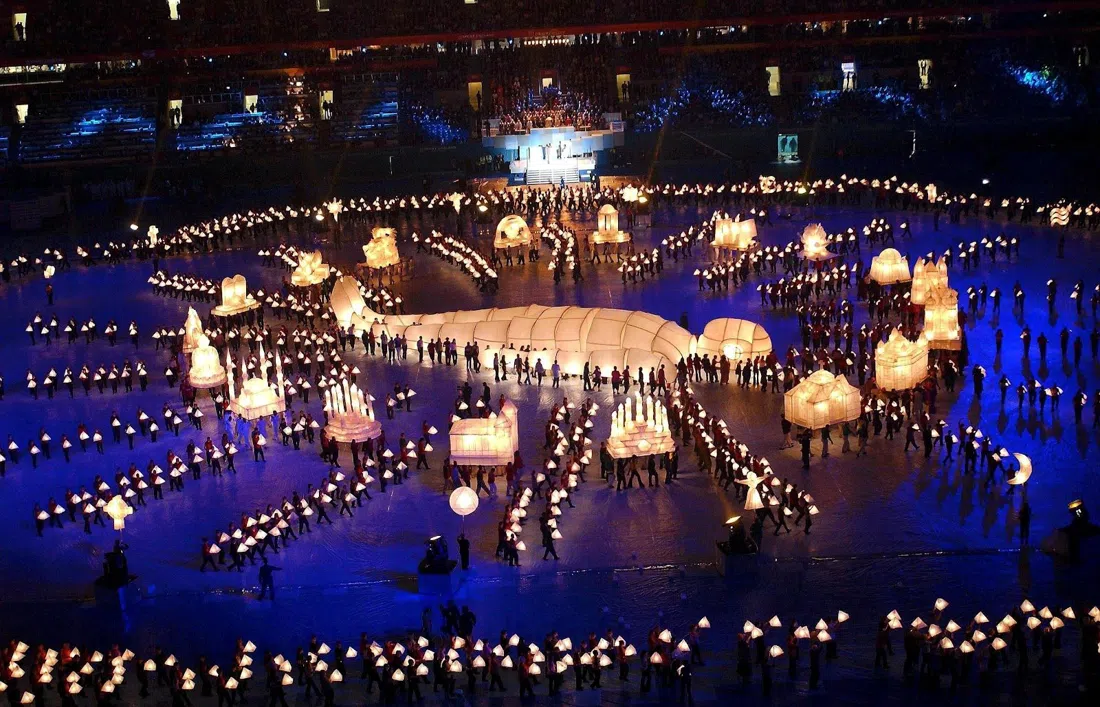
Every July, Manchester hands its city centre over to giant puppets, brass bands and several thousand marching schoolchildren, and calls it civic pride. There is no ticket for the walk and no single authority behind it beyond the city itself — for one Sunday, whoever wants to say what Manchester is now gets a float to say it with. On 26 July 2026, that argument runs out from St Peter's Square and back again, through streets built for cotton bales and canal traffic and rerouted, for one day, for confetti.
The Parade Itself
The Manchester Day Parade (St Peter's Square, city centre) is free, unticketed, and genuinely built for a crowd of any size — there's no booking system to navigate and no VIP viewing beyond arriving early for a decent sightline. The route runs out and back from St Peter's Square through the city centre, which means you can pick a single spot near the square and see both the outbound procession and its return an hour or two later, rather than committing to one stretch of pavement for the whole afternoon. It suits families most obviously — buggies and small children do fine on a free street event with no crush points if you stand back from the barriers — but it works just as well for a couple who simply want to watch Manchester perform itself for a morning without spending anything.
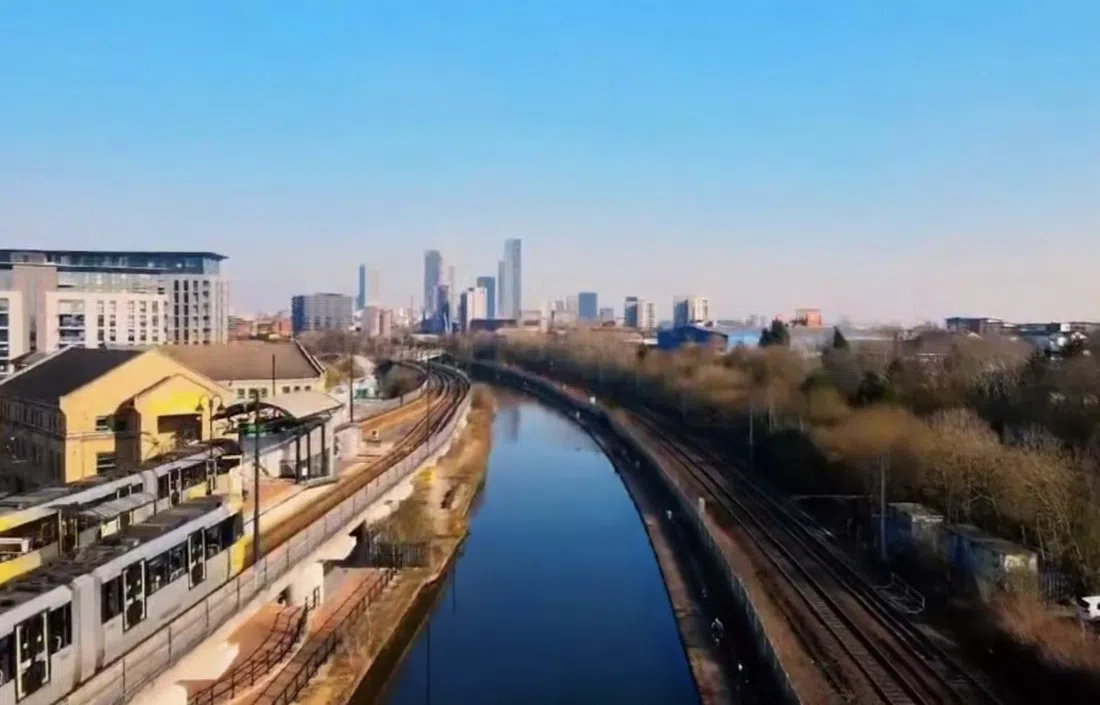
What you're watching, mostly, is the work of Walk the Plank (Ordsall, Salford), the carnival arts and giant-puppet company across the river that actually builds the spectacle. Walk the Plank isn't a walk-in attraction — it runs commissioned builds and school and community workshops by arrangement rather than opening its doors to passing visitors — but it's worth knowing the name, because the giants and floats that make Manchester Day recognisable as Manchester Day, rather than a generic street parade, come out of a Salford workshop with a genuinely international CV in carnival arts. If you're travelling with a school or youth group and want to go beyond watching, a commissioned workshop is the way in; it is not a stop you can make on the day itself.
Where to Watch It
Sightlines matter more than most Manchester Day guides let on, because the crowd along the barriers gets deep fast near the square, and a few venues solve the problem without a ticket.
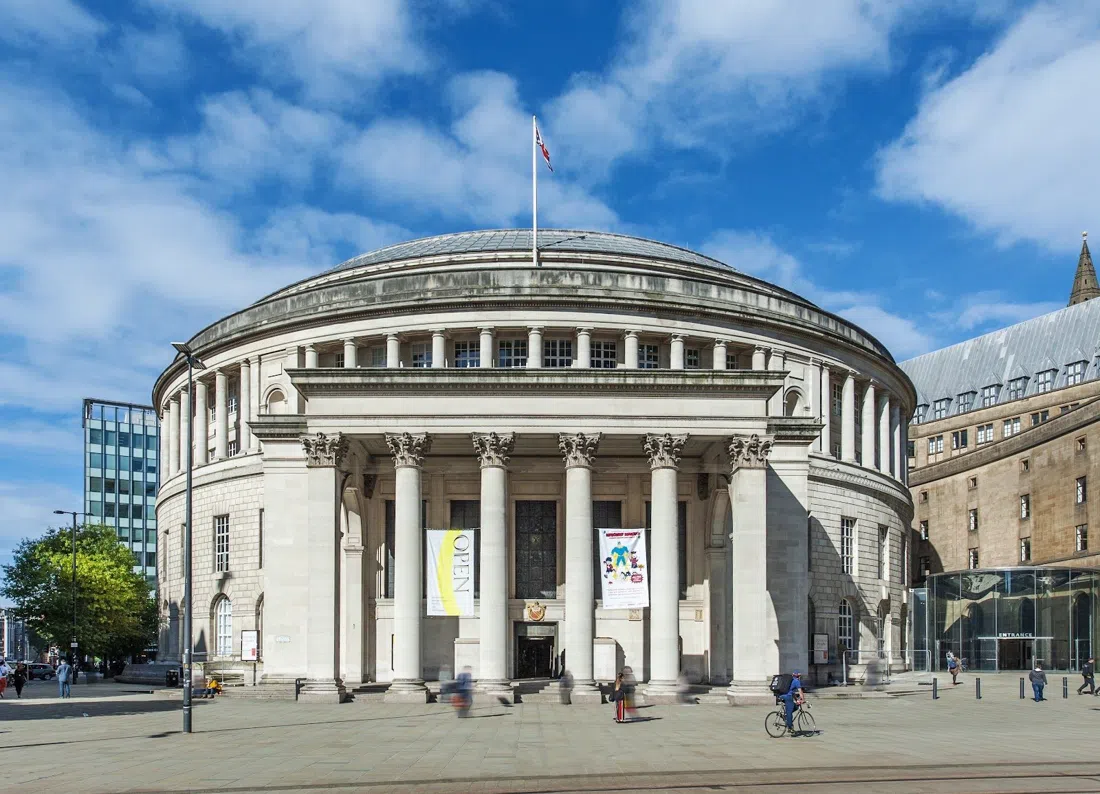
The best of them is free: Manchester Central Library (St Peter's Square) overlooks the parade's own start and finish line, and it's open to all with no booking needed. It is, unglamorously, the best free grandstand in the city — climb toward the upper floors on a quiet corridor and you get an angle on the square that most of the crowd on the pavement never sees. The one courtesy worth extending is toward the reading room itself, which stays a working library on parade day; large groups should keep the noise for the corridors and the steps outside, not the desks.
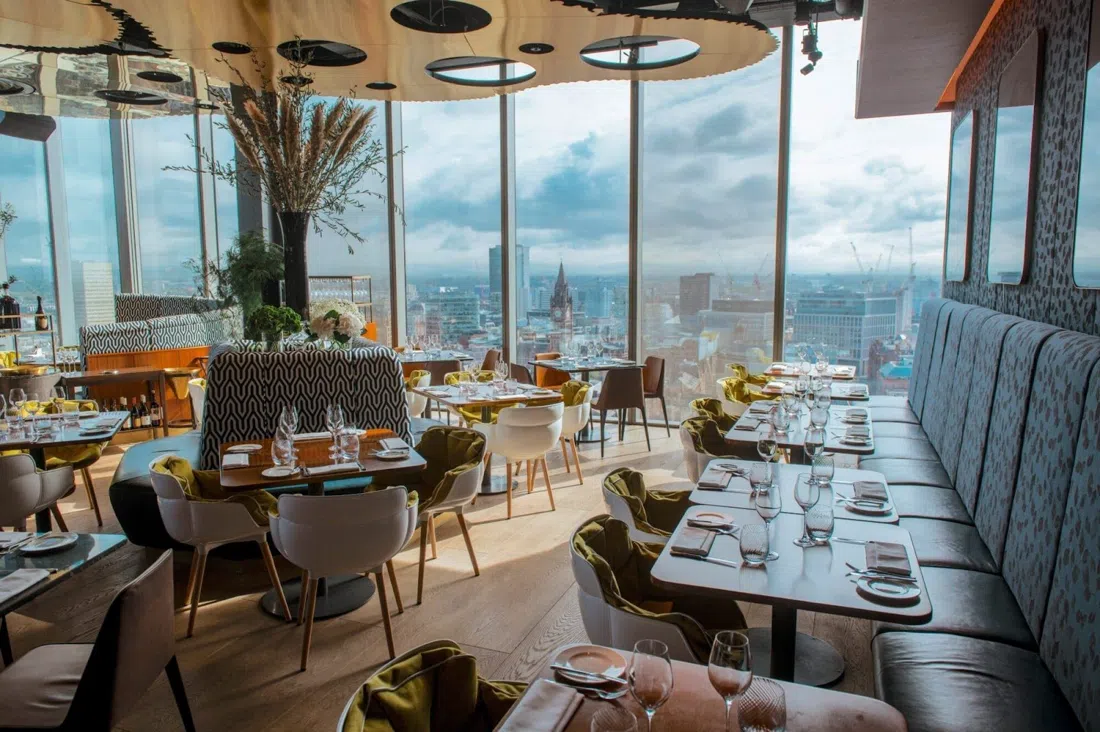
If you'd rather watch with a drink in hand and don't mind paying for the privilege, 20 Stories (Deansgate) has the best rooftop sightline near Deansgate for watching the parade thread through the streets below, and its terrace is exactly the kind of thing that fills up on parade weekend — book ahead, not on the day. Cocktails run roughly £12–£14 and mains £20–£35, which puts it firmly in couples-and-small-groups territory rather than a stop for a school party.
And if your feet just happen to be on Princess Street, Manchester Art Gallery (Princess Street) sits directly on the route — the parade quite literally passes its front door. Entry is free and groups of ten or more can book a tour, so it doubles as a genuine reason to step inside rather than just a landmark to walk past; the galleries make a natural five-minute break from the crowd noise outside.

The Industrial Past the Parade Performs
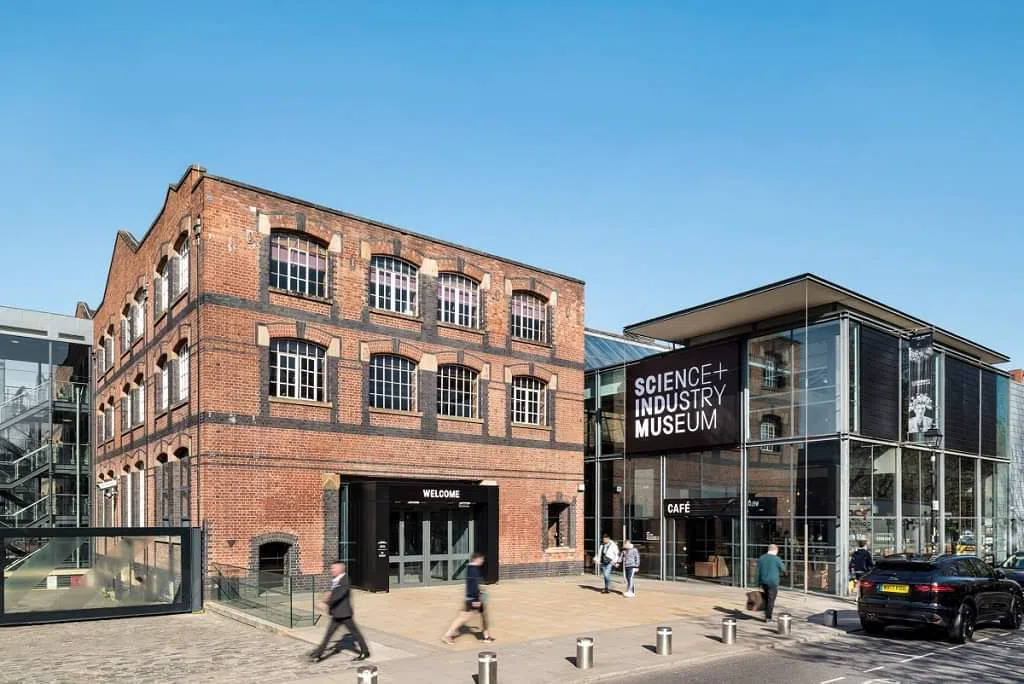
Manchester Day's theme, half the time, is the city's own manufacturing history turned into spectacle — cogs and steam and mill-town iconography reappearing as puppet armatures and float decoration. The Science and Industry Museum (Castlefield) is where that theme gets told straight, through the actual station and mill engines that built the city rather than a puppet's version of them. It's free, welcomes school and tour groups, and has a group visit form for parties of ten or more — worth filling in ahead if you're bringing a class, since the museum sprawls across several historic buildings and benefits from a plan rather than a wander.
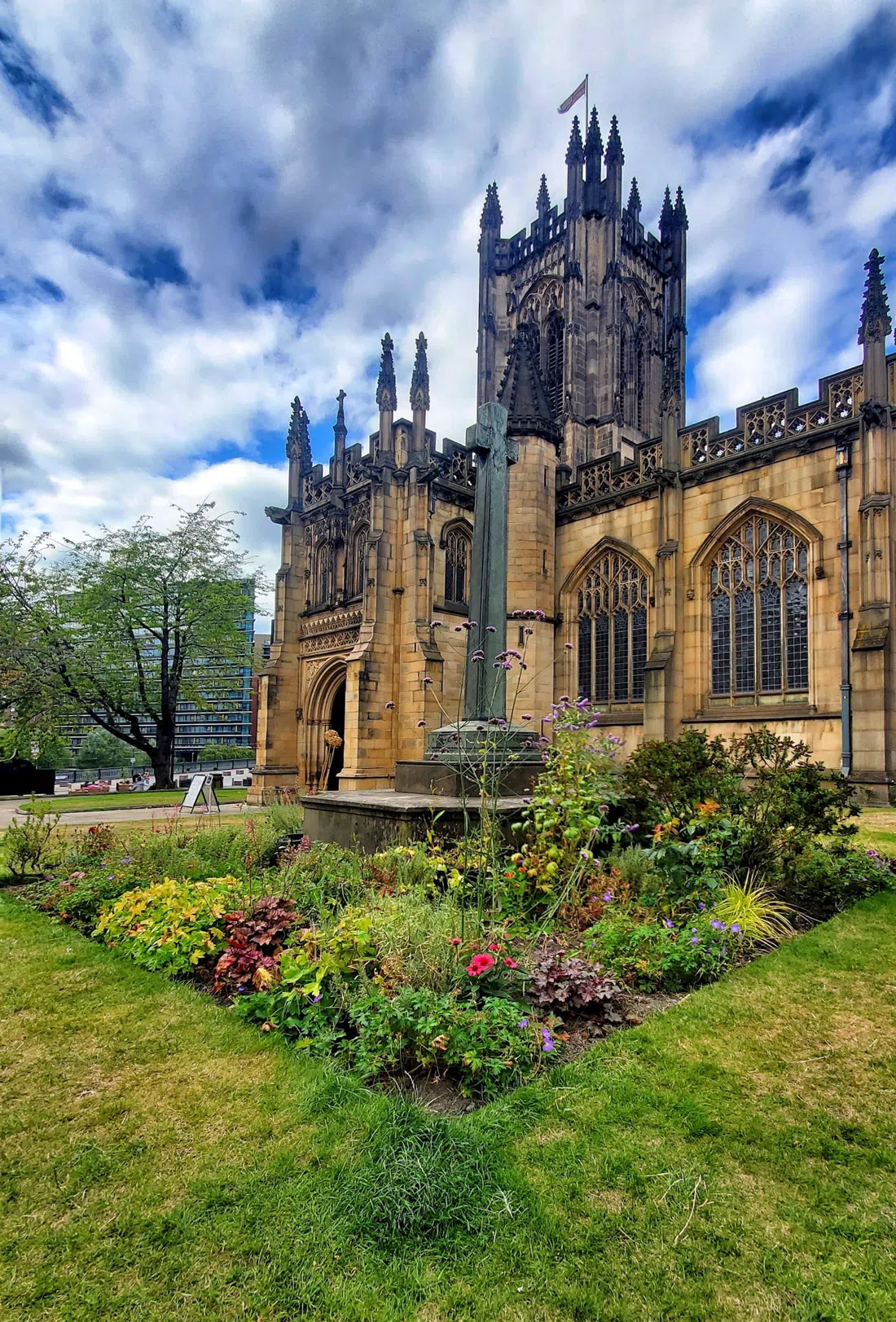
A short walk from the noise, Manchester Cathedral (Cathedral Gardens) offers the quiet counterpoint: Gothic and genuinely medieval, a street away from the samba bands and brass sections. Entry is free with donations suggested, and groups can book a guided tour. It isn't a parade-day stop so much as a reset button — somewhere to sit for ten minutes if the crowd and the noise get to be too much, then head back out.
The Multicultural Present the Parade Performs
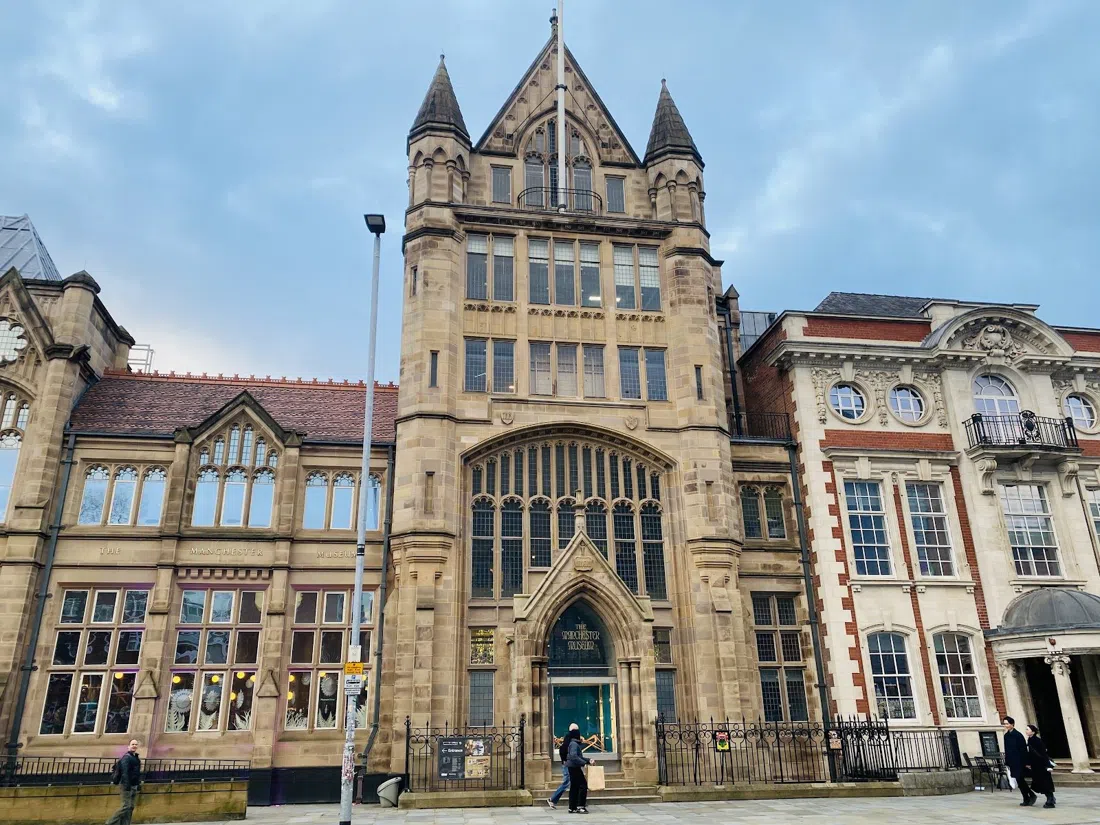
The other half of Manchester Day's theme is the city's present-day diversity, and nowhere states that more plainly than the South Asia Gallery at Manchester Museum (Oxford Road) — a museum-scale version of the same claim the parade makes on the street, that Manchester's identity now runs through communities that arrived well after the mills closed. Entry is free, groups are welcome, and booking is recommended for large school or tour parties given how busy the museum gets on a weekend with a citywide event on.
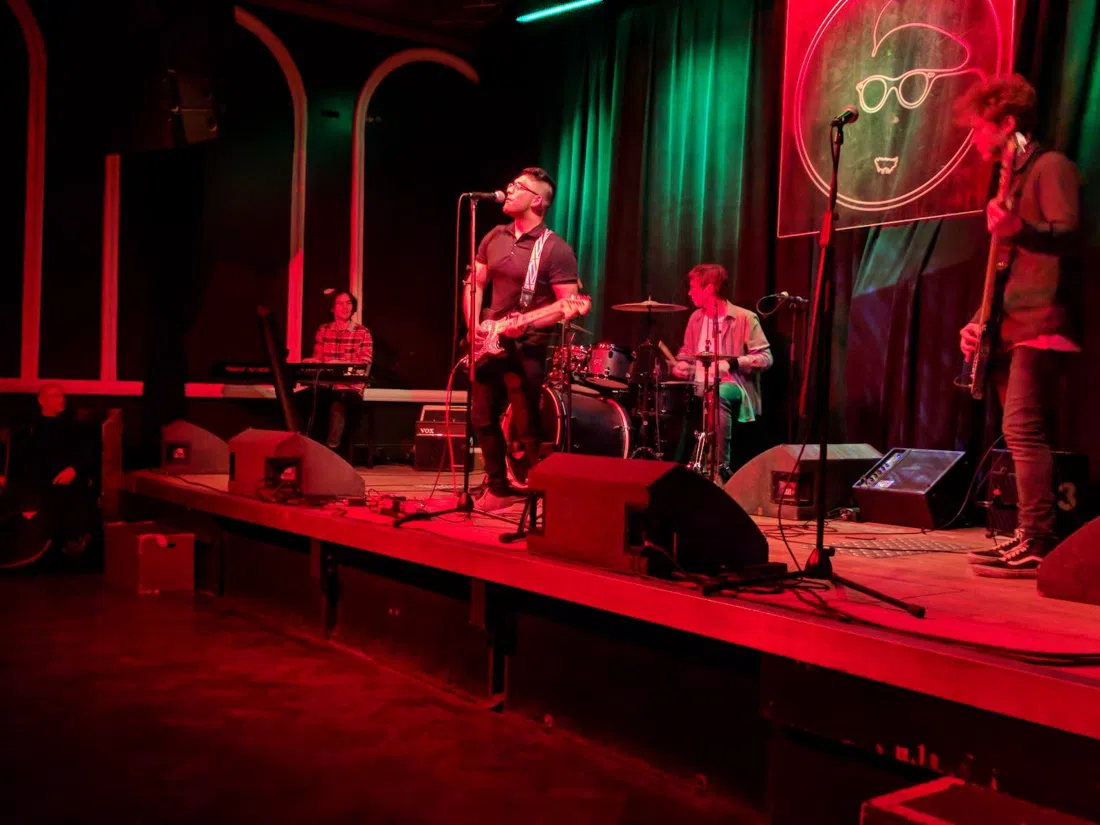
For the audible version of the same claim, Band on the Wall (Northern Quarter) programmes reggae, Latin, African and jazz on one stage most nights of the week, and it's worth checking the listings for parade weekend specifically. It's a standing venue, so plan on being on your feet, and advance tickets are worth having for anything popular — tickets run roughly £10–£25. It suits a group night out far better than a formal sit-down evening, and the door policy is standard live-venue practice: turn up sober enough to get in, buy ahead if the gig is a name you recognise.
The Parade's Civic Ancestors
Manchester Day didn't invent marching through the streets to make a point — it inherited the habit. The clearest place to see where from is the People's History Museum (Left Bank, near Spinningfields), a five-minute walk from the route and the parade's civic ancestor under one roof: banners, protest ephemera and the actual marching-and-organising history that Manchester's street culture grew out of. It's free with donations encouraged, groups are welcome, and advance notice is appreciated for larger parties, mostly so staff can plan around gallery capacity.
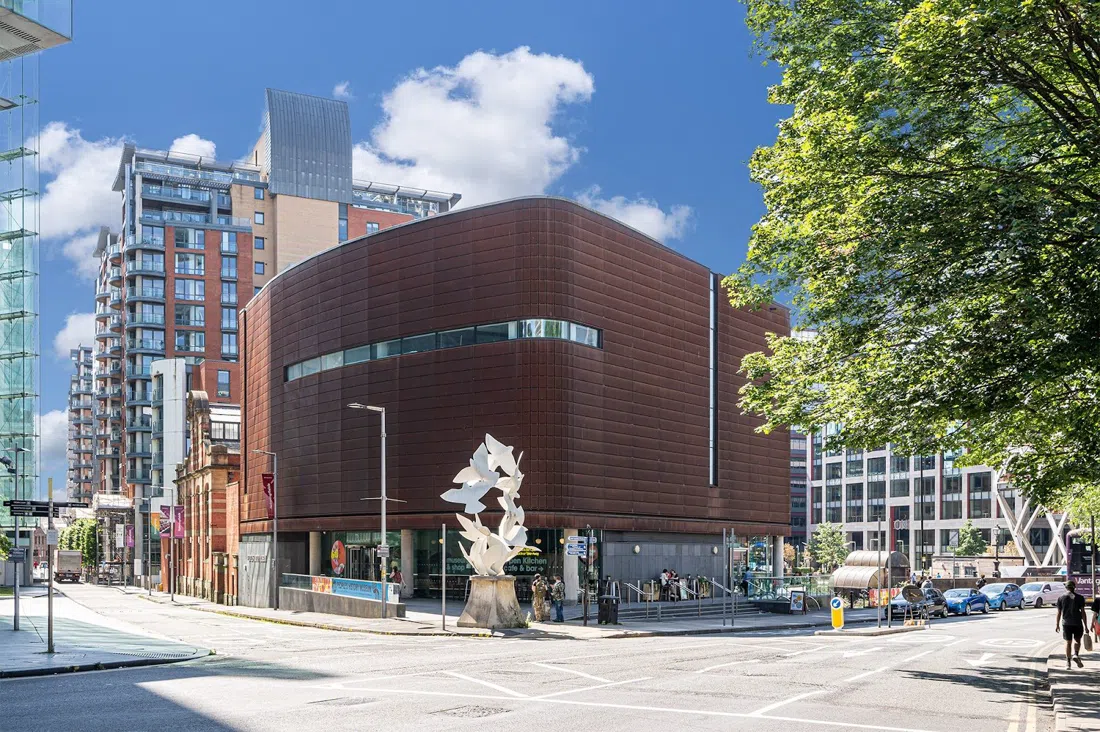
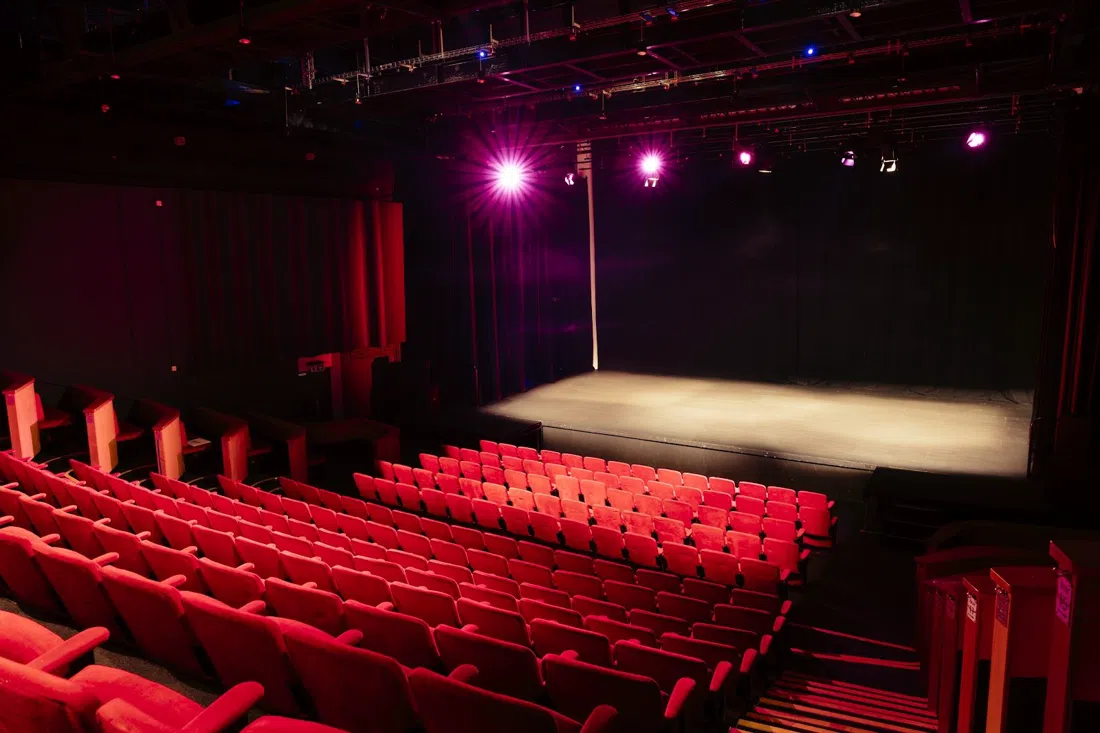
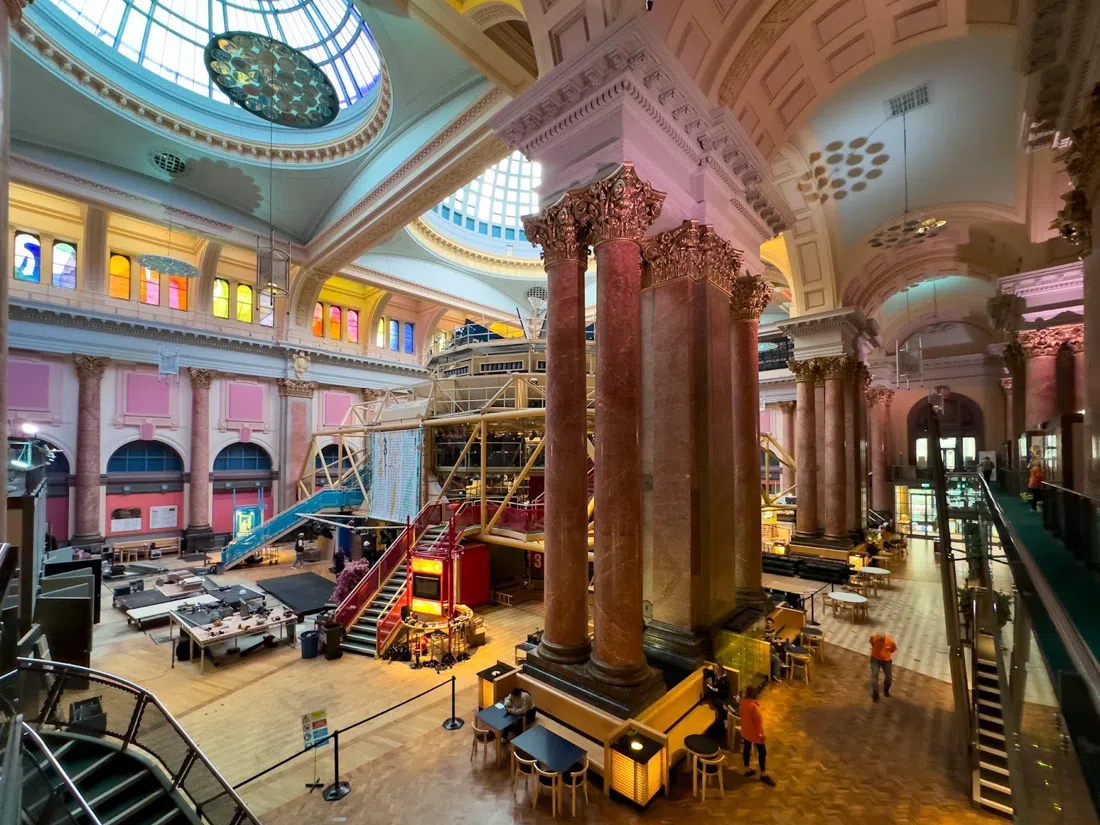
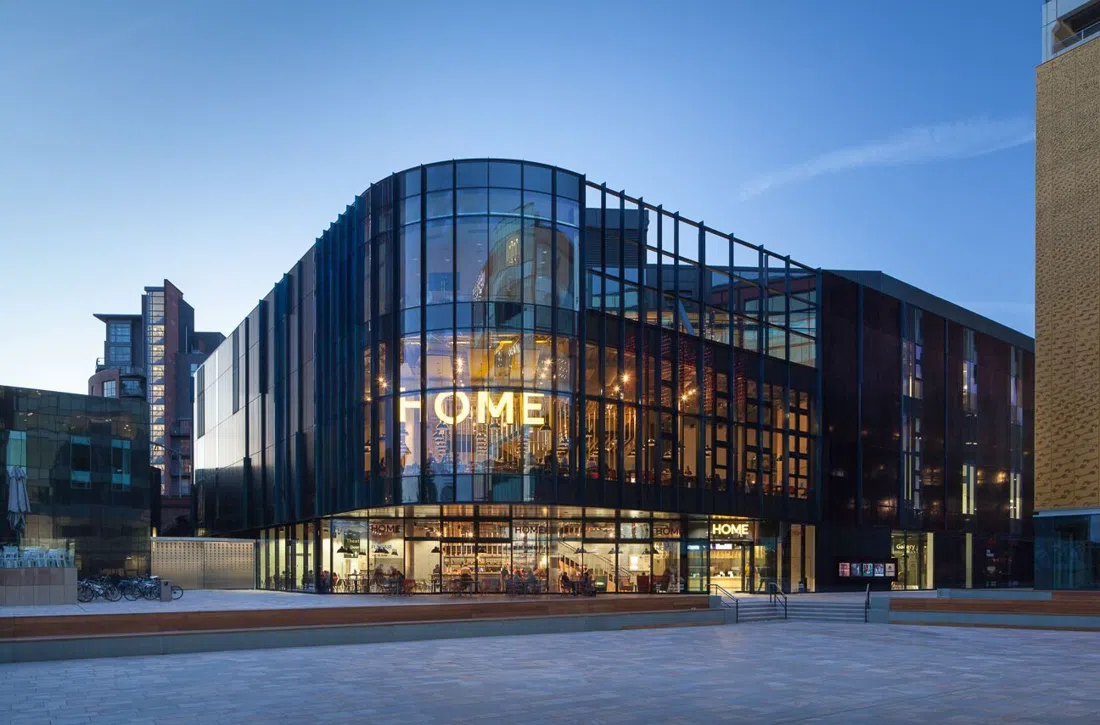
The same instinct — community-made culture staged for an audience — runs through a handful of arts venues that aren't parade-specific but share its DNA. Contact Theatre (Oxford Road) programmes young-person-led theatre that is, in spirit, the parade's community-float ethos handed a stage and a box office instead of a flatbed truck; tickets run roughly £10–£20 and group bookings get a discount for parties of ten or more. HOME (First Street) carries the same grassroots-arts energy year-round across cinema, theatre and gallery space — the gallery is free, cinema and theatre tickets run roughly £10–£25, and group tickets are available if you're organising a party. And Royal Exchange Theatre (St Ann's Square) stages Manchester's civic reinvention in miniature: a futuristic theatre pod grafted bodily into a Victorian cotton-trading hall, which is essentially the parade's whole argument — old industrial infrastructure repurposed for a new kind of civic performance — built in permanent form. Tickets run roughly £15–£45, with group discounts for ten or more.
DIY Roots in the Northern Quarter
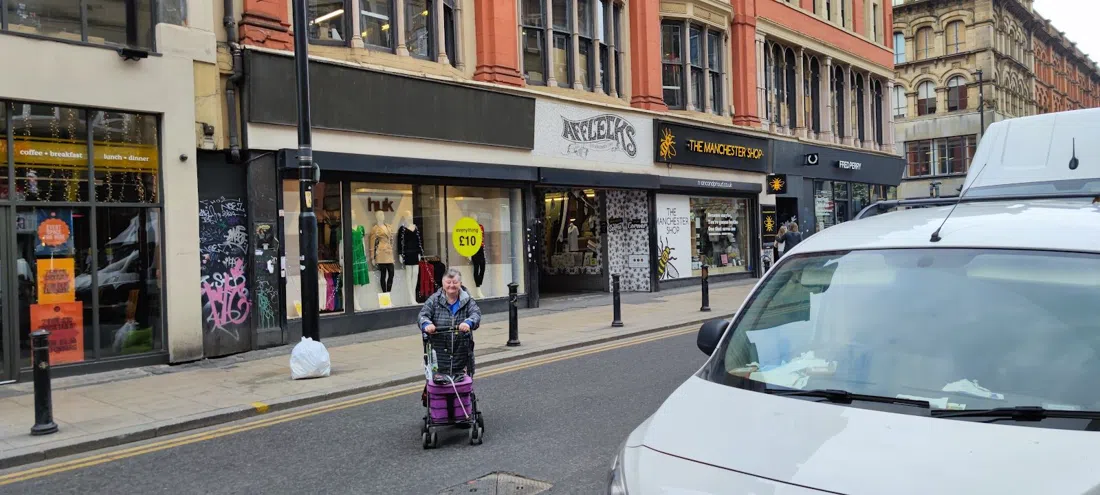
Before Manchester Day had a council budget, this is roughly what community-made culture in the city looked like: independent, a bit scrappy, entirely self-organised. Afflecks (Northern Quarter) is the clearest surviving example — a multi-floor indie market of independent stalls that has been shaping Manchester's DIY aesthetic since long before a parade float tried to bottle it. Entry is free and casual groups are fine, but the stairwells are narrow enough that a large party should split up rather than try to move as one block.
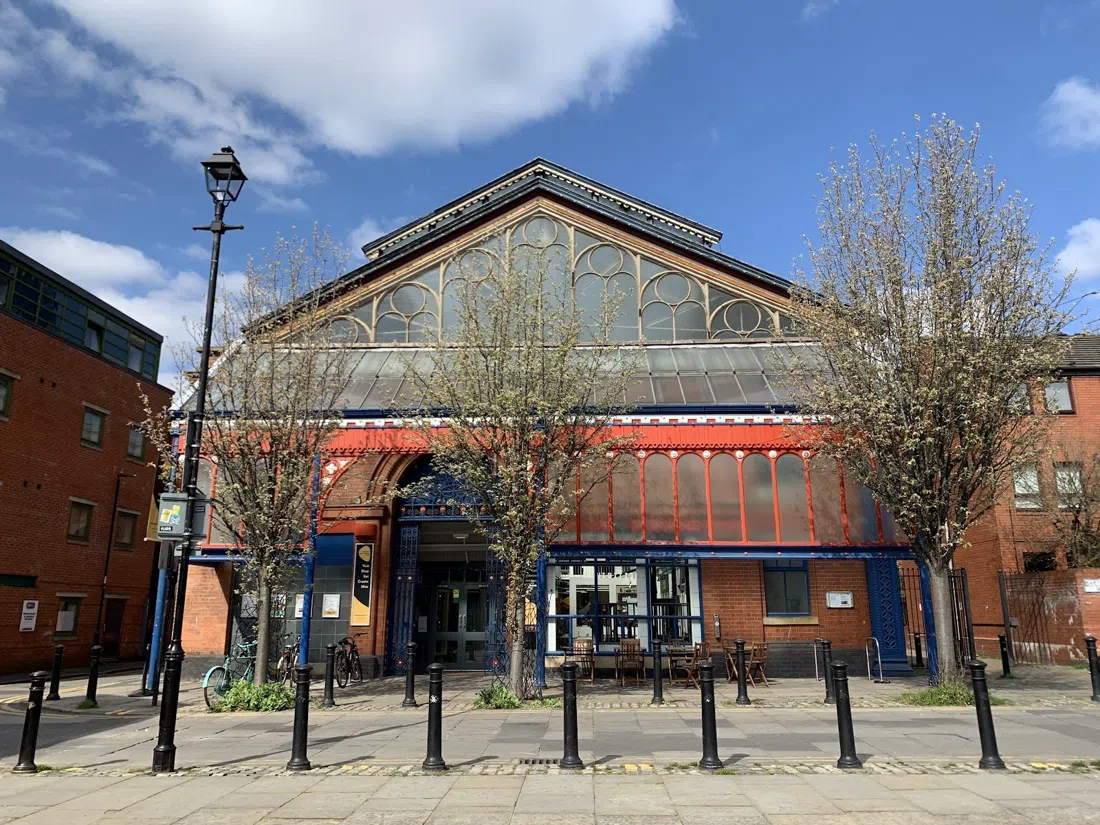
A short walk away, the Manchester Craft and Design Centre (Oak Street, Northern Quarter) houses independent makers in a repurposed Victorian market hall — free to browse, no booking needed, with goods running anywhere from about £10 to £200 and up depending on the maker. It's the same self-invention spirit as the parade's community floats, just without the confetti and the crowd barriers, and it's a good stop for anyone who wants to take something specifically Mancunian home rather than a souvenir-shop print.
Manchester's Other Carnival
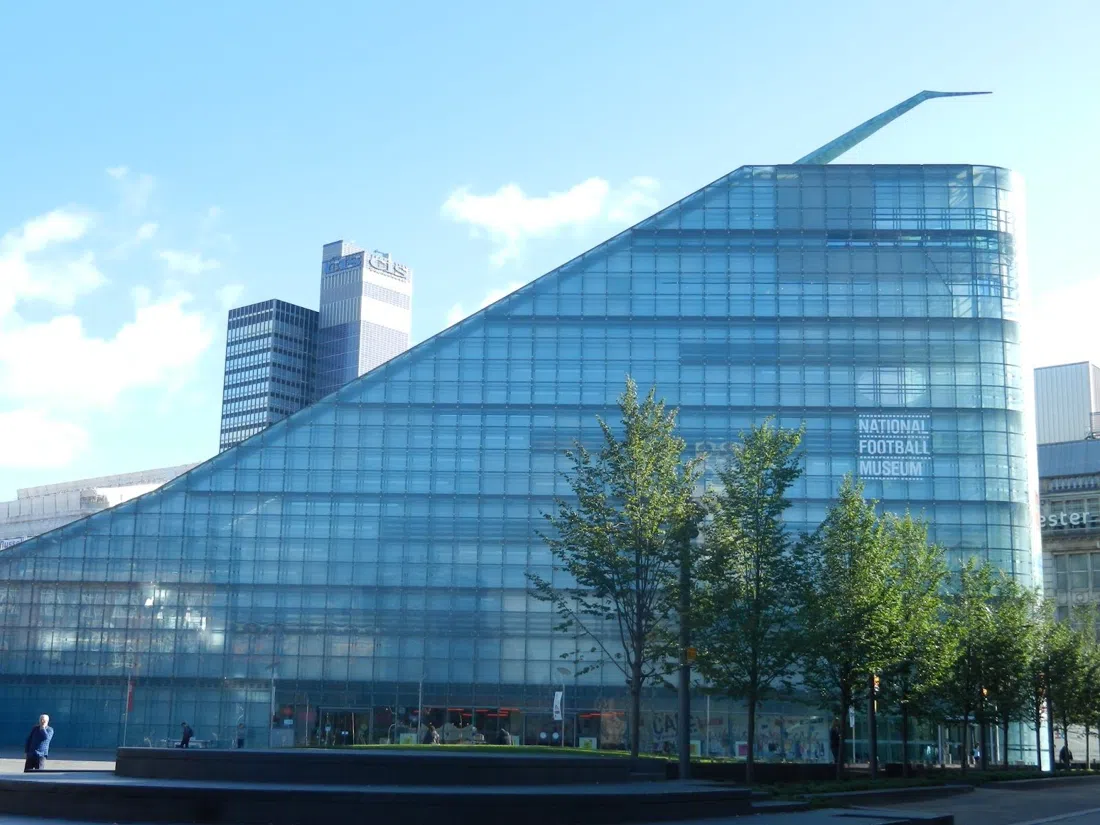
If Manchester Day is the city's civic carnival, football is arguably its other one, and the National Football Museum (Cathedral Gardens, in the old Urbis building) anchors the gardens near the parade route with exactly that argument on display. Adult entry runs around £13.50, and it's free for Manchester residents; group rates are available and booking is recommended for parties of ten or more. It isn't a parade-specific stop, but if you're building a day around civic spectacle and communal identity, the museum's argument about football's role in Manchester's self-image sits naturally alongside everything the parade itself is doing on the street outside.
Getting There, Timing It and What It Costs
The parade runs on Sunday 26 July 2026, out and back from St Peter's Square — plan to arrive at least 45 minutes before the advertised start if you want a barrier-side spot near the square itself, since that stretch fills first. The city centre is compact enough to walk between everything on this list; Manchester's Metrolink trams cover the rest, and driving in on parade day is worth avoiding outright, since several central streets close for the route.
Cash isn't really necessary — every venue and business here takes cards, and Manchester's card culture is thorough even at market stalls in Afflecks and the Craft and Design Centre — but keep some change for street stalls that pop up around the route itself on the day. Budget for the parade is genuinely zero: it's free to watch, and most of the museums on this list (Manchester Museum, People's History Museum, Science and Industry Museum, Manchester Art Gallery, Manchester Cathedral) are free entry with donations welcome. Where the day gets expensive is the optional extras — a 20 Stories terrace booking, a Royal Exchange or Contact ticket for the evening, a Band on the Wall gig — so it's easy to build a completely free day around the parade and the museums, then spend selectively on the parts that need a ticket.
If you're staying over for the weekend, book central — everything on this list sits within a comfortable walk of St Peter's Square, and staying near the route means you can duck back to a room rather than fight the crowd home. Start with a Manchester hotel search for the weekend, and see the full Manchester guide for the rest of the city beyond parade day.