
Manchester
Manchester does not beg for attention; it commands it through a legacy of industry, music, and defiance.
Guests & rooms
The Manchester guide
An insider’s read on Manchester
MManchester does not beg for attention; it commands it through a legacy of industry, music, and defiance.
As the birthplace of the Industrial Revolution, Manchester was once dubbed 'Cottonopolis.' The wealth of the nineteenth century built grand, gothic municipal palaces and a vast network of canals that still carve through the city centre. When the factories emptied, a legendary music and counterculture scene took over the abandoned warehouses, giving rise to the Hacienda era and a fiercely independent spirit that still dictates local life today.

PLATE IManchester, England

Guides & ideas
The Manchester reading list
Hand-written guides from our editors — itineraries, the best of after dark, where to eat, and what’s genuinely worth your time.
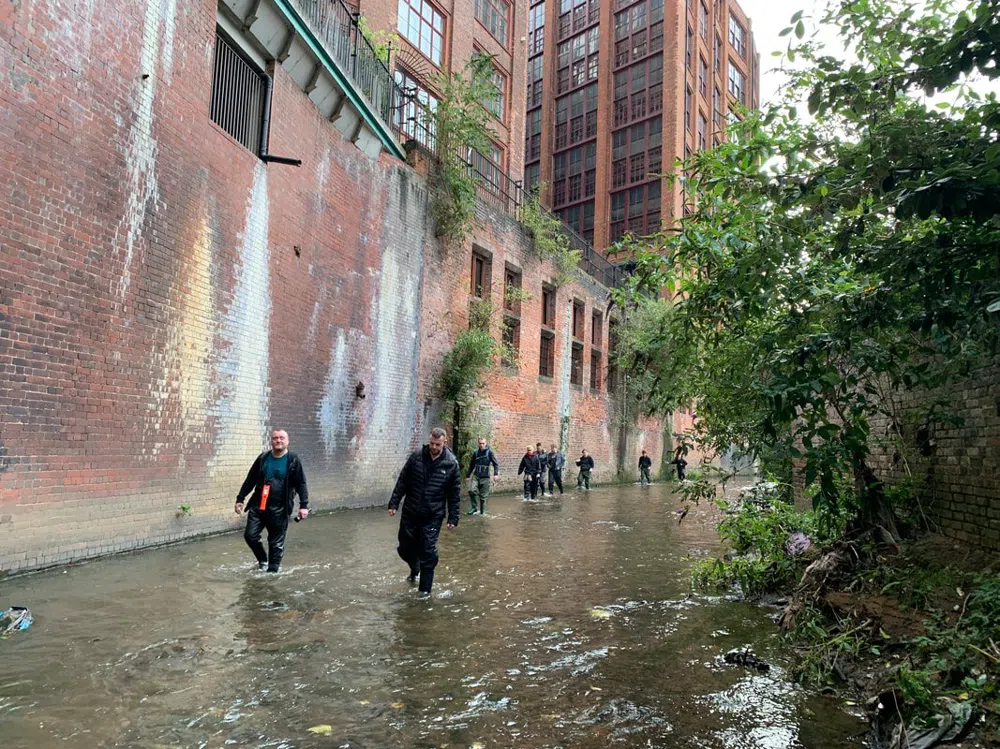
Walking Manchester's Buried Rivers and Drinking in Its Cellars
From a genuine Victorian river culvert you wade through in waders to the city's grandest basement ballroom, Manchester's underground is real, bookable, and worth building a weekend around.
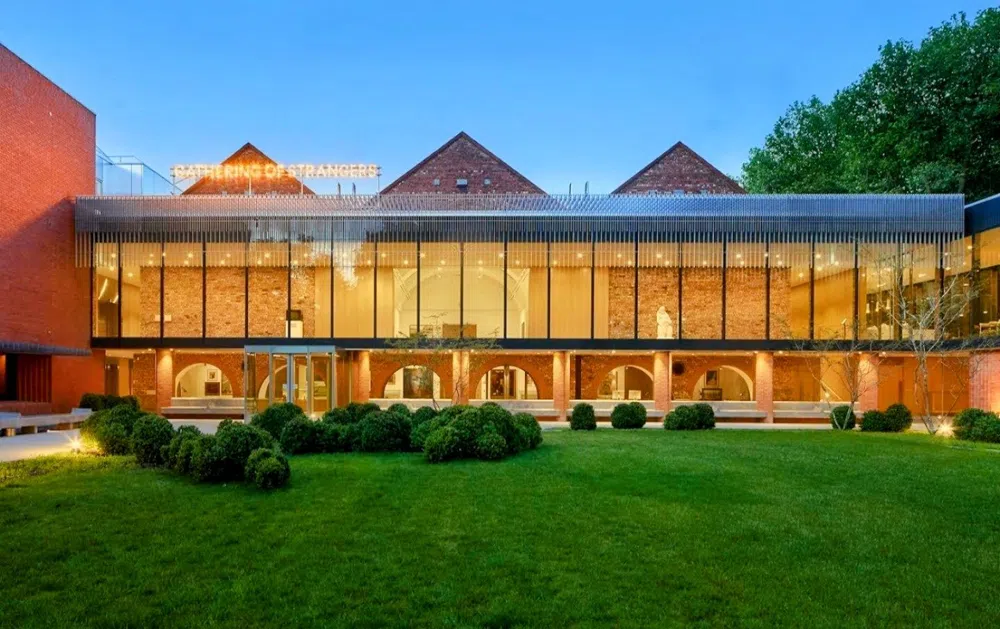
The Whitworth Anchors Manchester's Free Art Season
A season-by-season route through Manchester's free public galleries, from the Whitworth's park-side halls to the Northern Quarter's changing murals, with no admission fee at any stop.
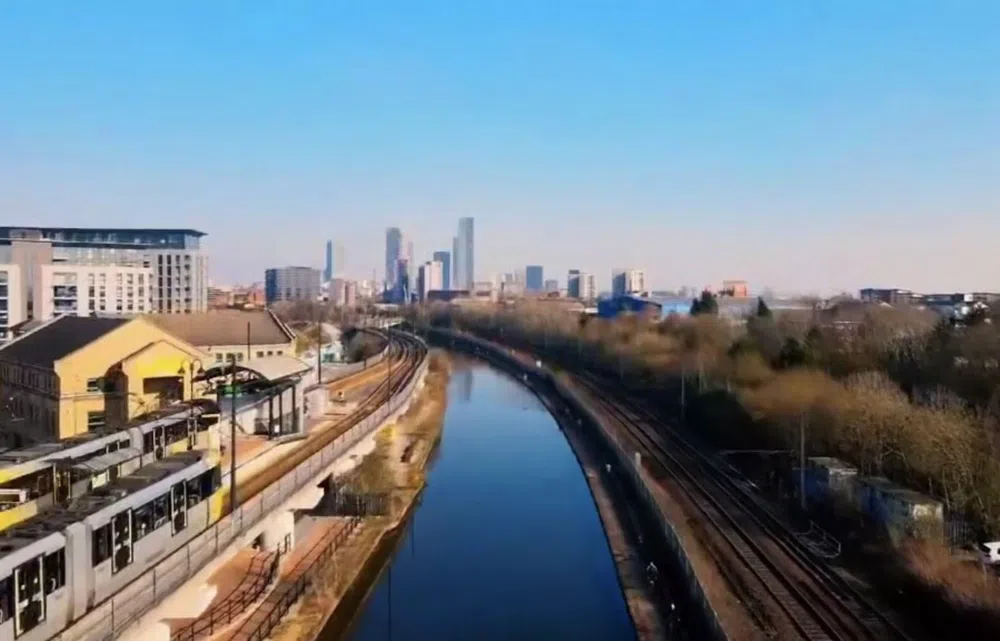
Manchester Day: The City Parades As Itself
Every July, Manchester turns its industrial past and multicultural present into a free street carnival — here's where to watch it, and what to see around it in 2026.
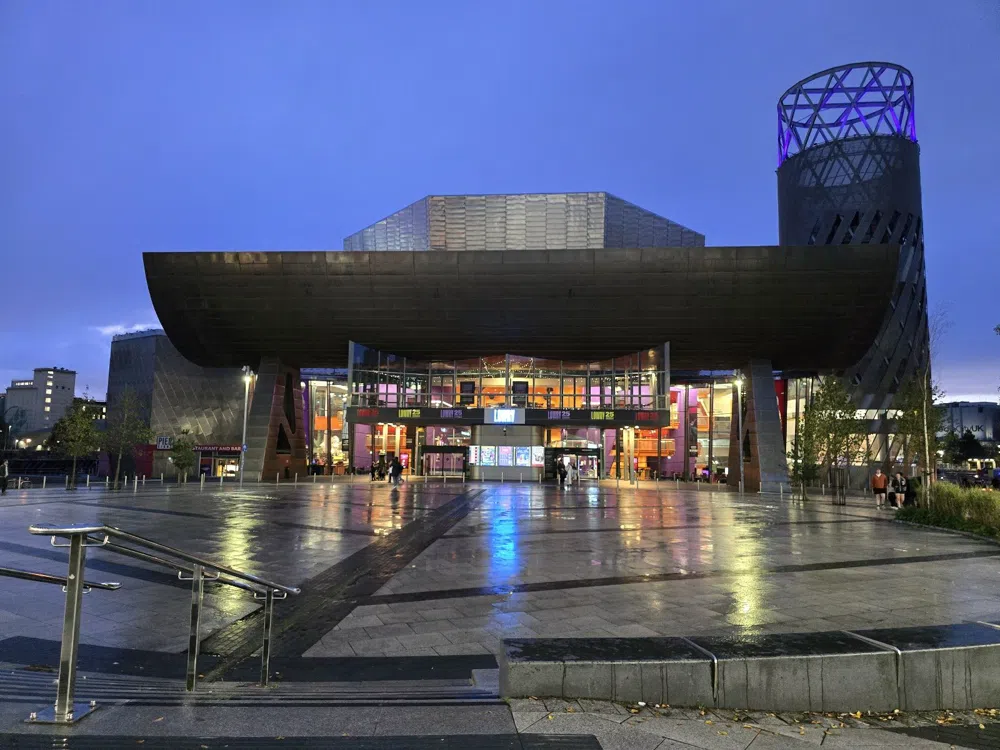
Salford Quays: Manchester's Docks Reborn as Culture
A mile of restored Manchester dockside, walked in order, from the theatre that saved the Quays to the museum that closes the story.
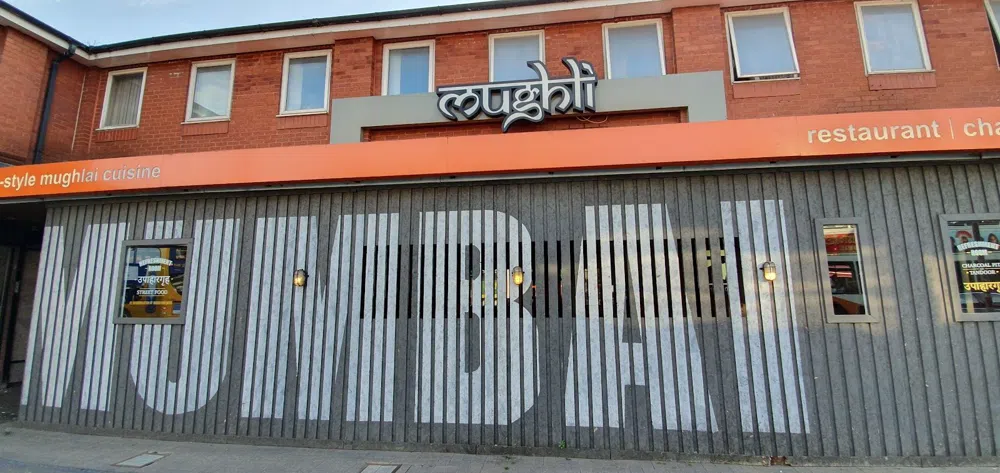
Rusholme After Dark: Inside Manchester's Curry Mile Ritual
On Wilmslow Road, dinner is just the opening act — a mile of neon, charcoal smoke and dessert queues that runs later than anywhere else in the city.
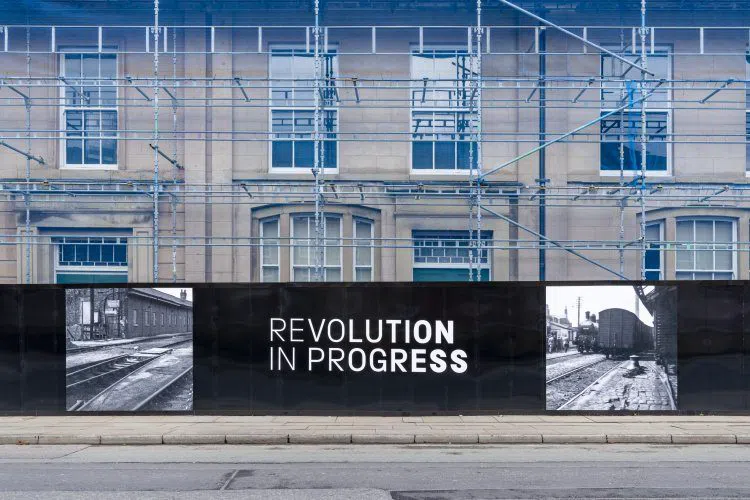
Cottonopolis Eternal: Manchester's Industrial Bones and the Warehouses That Found New Life
A history-led walk through the cotton exchange, the canal basin and the mills that became galleries, cafés and flats — Manchester's industrial bones, still visible under the surface in 2026.
Where to base yourself
The neighborhoods
01
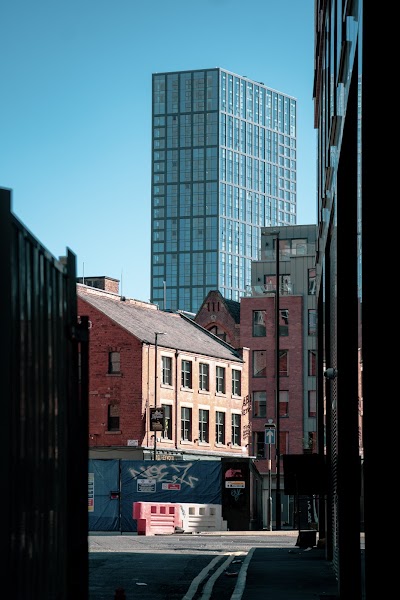
Northern Quarter
For Creative travelers, music lovers, and vintage shoppers. The trade-off is constant noise and gritty streets that can feel neglected in the early hours.
The creative heart of the city, packed with red-brick warehouses, independent record shops, vintage boutiques, and street art.
Where to stay — Boutique warehouse conversions and independent aparthotels.
02
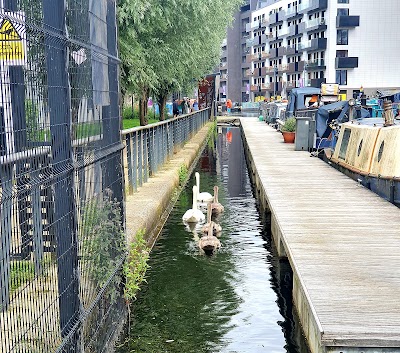
Ancoats
For Food enthusiasts and travelers seeking a quieter, neighborhood feel. The trade-off is a lack of major tourist sights and a twenty-minute walk to the central shopping district.
A former industrial suburb turned culinary hotspot, where historic cotton mills surround a quiet marina.
Where to stay — Modern serviced apartments and high-end residential rentals.
03
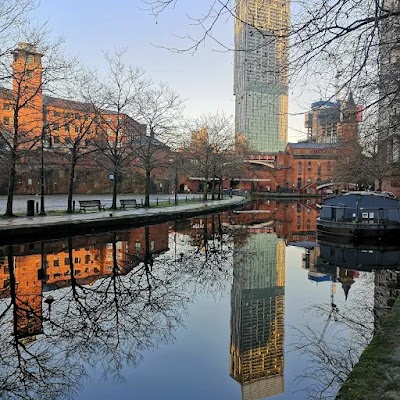
Castlefield
For History buffs and those seeking a peaceful retreat close to the action. The trade-off is a quieter nightlife scene that winds down early.
A conservation area of calm canals, iron bridges, and restored Roman ruins.
Where to stay — Mid-range chain hotels with canal views.
04
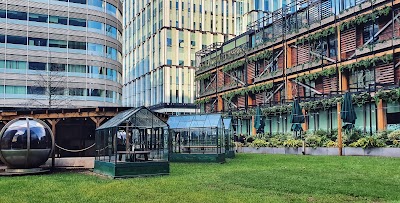
Spinningfields
For Business travelers and luxury shoppers. The trade-off is a sterile atmosphere that lacks the gritty character found elsewhere.
The sleek, modern financial district defined by glass skyscrapers, high-end chain restaurants, and manicured lawns.
Where to stay — High-end luxury hotels and corporate suites.
05
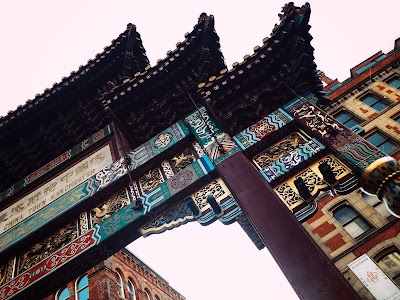
Chinatown
For Budget diners and late-night food seekers. The trade-off is that the area is small and can feel run-down in places.
One of the largest Chinatowns in Europe, marked by a grand imperial archway and packed with East Asian bakeries and restaurants.
Where to stay — Budget-friendly chain hotels on the periphery.
06
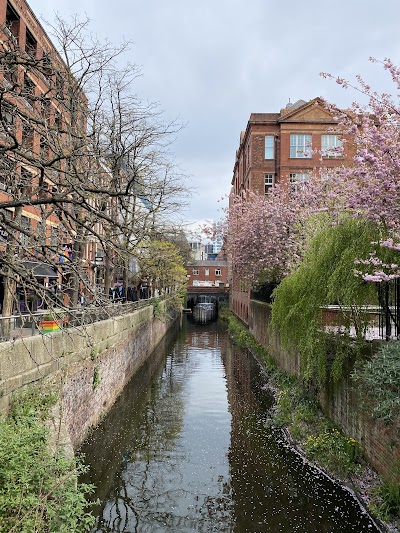
Gay Village
For Partygoers and those seeking inclusive nightlife. The trade-off is intense noise on weekends and very crowded streets.
Centered around Canal Street, this is a historic, lively LGBTQ+ district running alongside the Rochdale Canal.
Where to stay — Boutique hotels and traditional pubs with rooms above.
Book direct
Book a hotel in Manchester
Loading live availability and real-time prices…
Where to eat
Dining
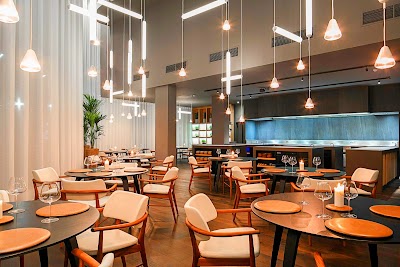
Mana
€€€€Ancoats
The first restaurant in the city to secure a Michelin star in over forty years, focusing on hyper-local, fermented British ingredients.
Signature — Smoked sea trout with unrefined salt and sea vegetables.
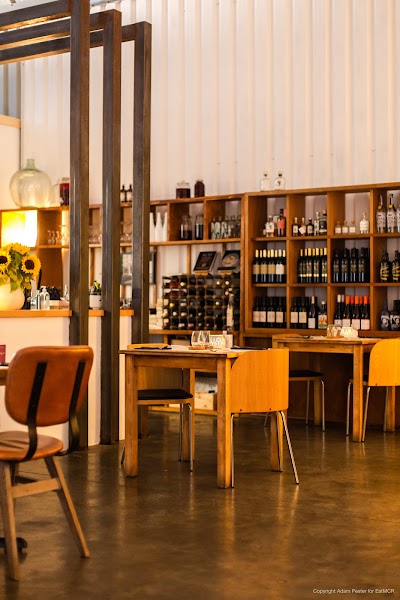
Sparrows
€€Ancoats
An understated, minimalist spot dedicated to the art of handmade European dumplings and spätzle.
Signature — Spätzle with wild garlic and alpine cheese.
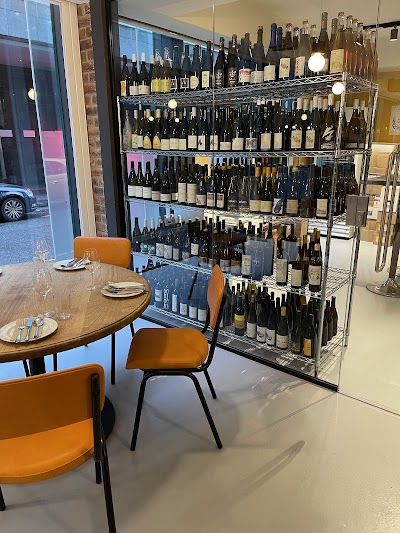
Higher Ground
€€€Chinatown
A bistro focused on regenerative farming, sourcing ingredients directly from their own organic farm in nearby Cheshire.
Signature — Coal-grilled pork collar with seasonal preserves.
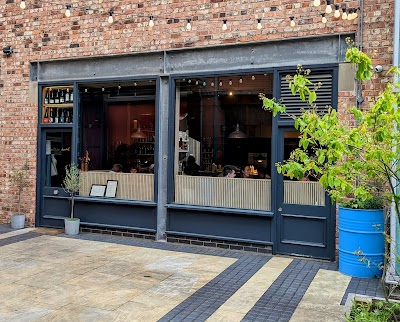
Another Hand
€€€Deansgate
An intimate, low-lit dining room in the Great Northern Warehouse serving creative, vegetable-forward small plates.
Signature — Whipped butter beans with flatbread and fermented chili.

10 Tib Lane
€€€City Centre
A candlelit townhouse serving exceptional seasonal plates alongside classic cocktails without any pretension.
Signature — Cured sea bream with citrus and fennel.
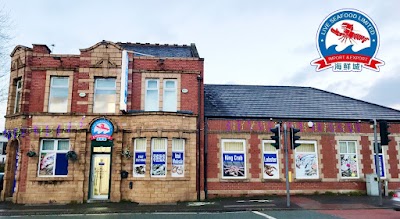
Live Seafood Limited
€€€Ancoats
A no-frills Chinese restaurant where you select live fish, crabs, and lobsters directly from tanks in the dining room.
Signature — Steamed sea bass with ginger and spring scallions.
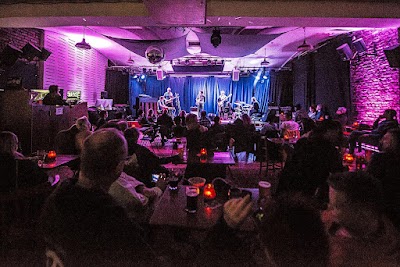
Hip Hop Chip Shop
€Ancoats
A modern take on the traditional fish and chip shop, serving sustainably sourced fish with a hip-hop soundtrack.
Signature — Feastie Boys box with battered cod, mushy peas, and triple-cooked chips.
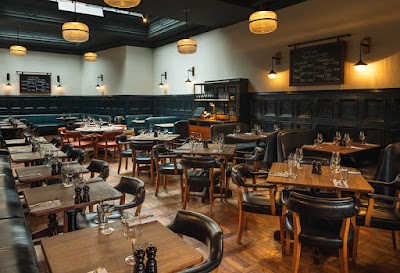
Hawksmoor
€€€€Deansgate
Located in a late-Victorian courthouse, this venue serves the gold standard of charcoal-grilled, dry-aged British beef.
Signature — Bone-in prime rib eye, ordered by weight.
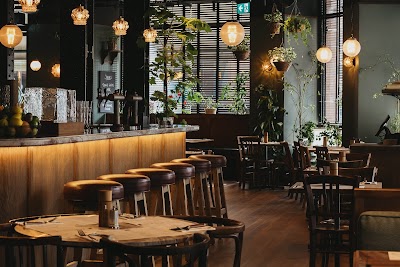
Flat Iron
€Deansgate
A remarkably affordable steakhouse focusing on a single, expertly cooked cut of beef in a casual setting.
Signature — The signature Flat Iron steak served with beef dripping chips.
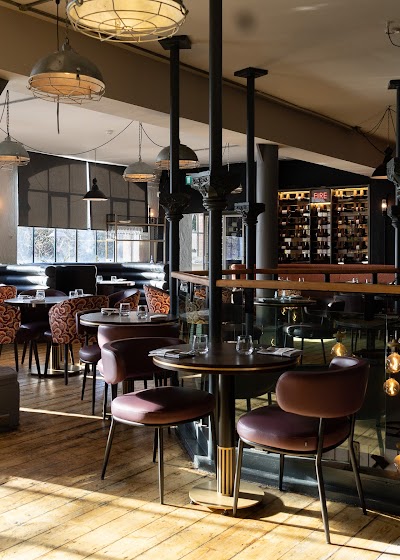
Pasture
€€€Spinningfields
A lively, modern steakhouse featuring an in-house butcher and a glass-fronted meat maturing cabinet.
Signature — Tomahawk steak cooked over charcoal and cherry wood.
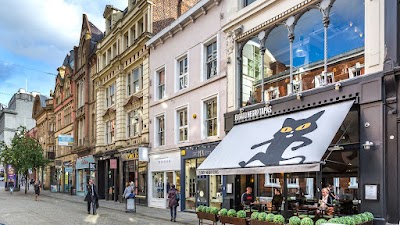
El Gato Negro
€€€King Street
Set across three floors of a historic townhouse, featuring a retractable roof and consistently excellent tapas.
Signature — Morcilla scotch eggs with aioli.
Baratxuri
€€€Exhibition
An authentic Basque fire kitchen serving whole fish and massive steaks roasted over open wood fires.
Signature — Txuleton beef rib cooked over embers.
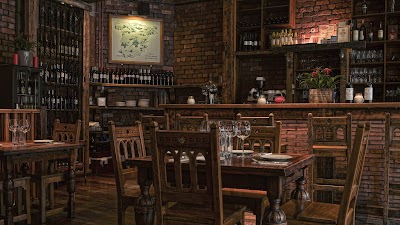
Evuna
€€Deansgate
A cozy, rustic wine merchant and tapas bar sourcing boutique wines directly from family-run Spanish vineyards.
Signature — Slow-cooked Iberian pork cheeks in red wine.
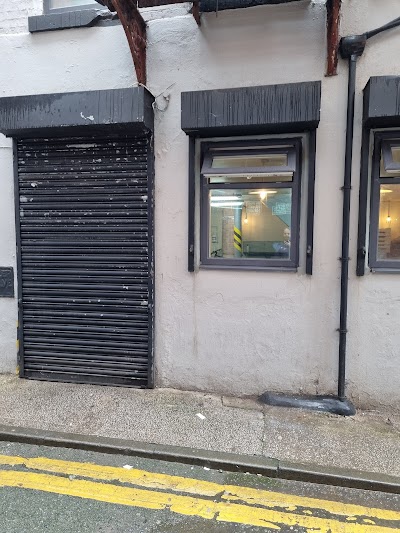
This & That
€Northern Quarter
A legendary back-alley canteen serving the definitive local lunch: 'Rice and Three' curries on a single plate.
Signature — Rice with lamb, chickpea, and spinach curries.
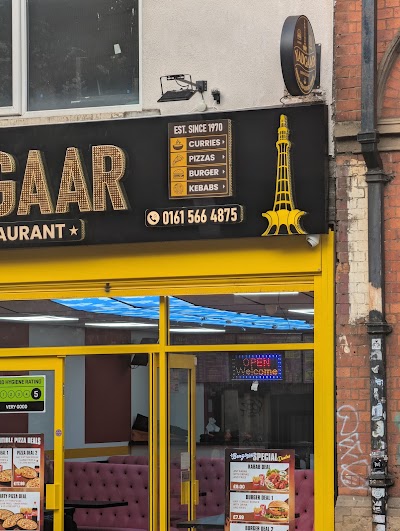
Yadgar Cafe
€Northern Quarter
A family-run, no-nonsense Pakistani cafe that has been serving spiced-to-order curries for decades.
Signature — Slow-cooked mutton karahi.
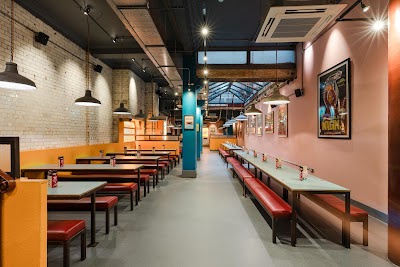
Bundobust
€Piccadilly
An underground canteen pairing vibrant Gujarati street food with an exceptional craft beer list.
Signature — Vada Pav, a spiced potato burger in a brioche bun.
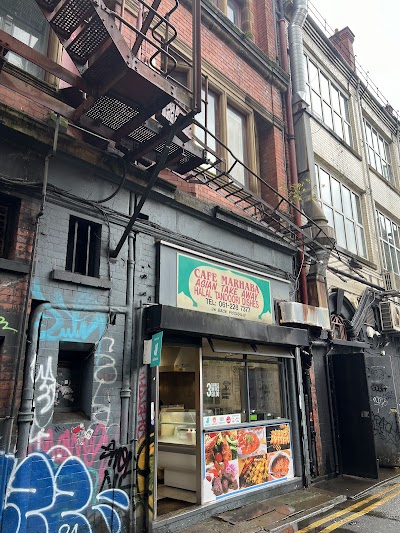
Cafe Marhaba
€Northern Quarter
A tiny, hidden alleyway cafe famous for its fresh naan bread baked in an authentic tandoor oven on-site.
Signature — Fresh garlic naan with chicken handi.
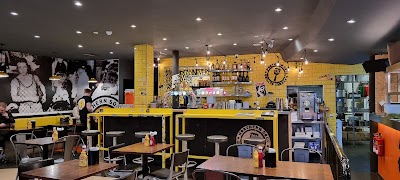
Northern Soul Grilled Cheese
€Northern Quarter
The ultimate comfort food joint, serving gourmet grilled cheese sandwiches with intensive fillings.
Signature — The Soul, featuring a secret three-cheese blend on sourdough.
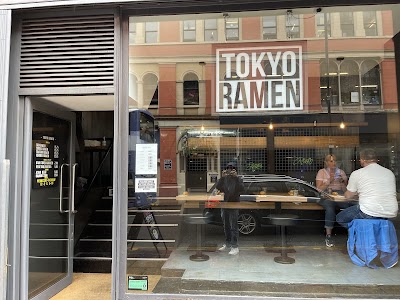
Tokyo Ramen
€Northern Quarter
A tiny, low-lit noodle bar with just a handful of stools, serving intense, deeply flavored broths.
Signature — Shoyu ramen with thick-cut pork belly.
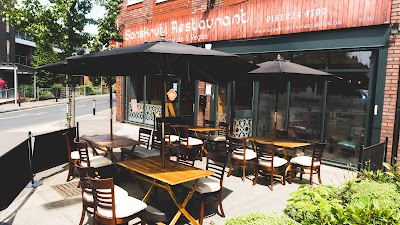
Sanskruti
€€Fallowfield
An authentic Indian restaurant serving an extensive menu of completely vegetarian and vegan street food and curries.
Signature — Sev Puri, crisp puris topped with potatoes, onions, and chutneys.
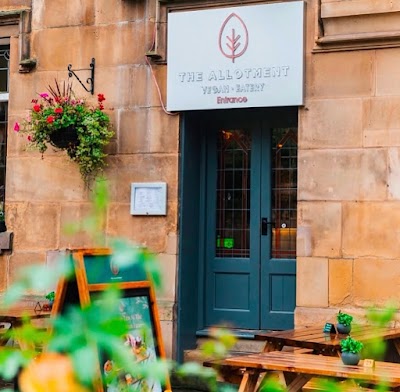
The Allotment Vegan Eatery
€€€City Centre
A creative plant-based restaurant that elevates local, seasonal vegetables into fine-dining plates.
Signature — Jackfruit confit with potato fondant and red wine jus.
Bundobust
€Piccadilly
A completely vegetarian craft beer and Indian street food hall that appeals equally to meat-eaters.
Signature — Okra fries seasoned with black salt and mango powder.
After dark
Nightlife
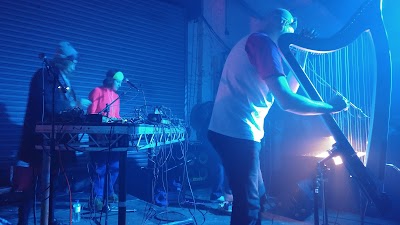
The White Hotel
Salford
An industrial, raw space in a former car mechanic's garage, hosting the most uncompromising underground techno and experimental nights.
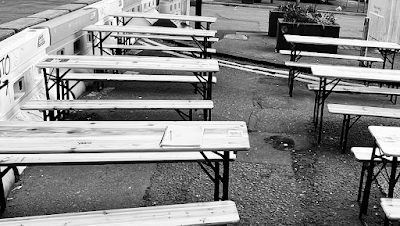
Soup
Northern Quarter
A basement club beneath a daytime canteen, hosting cutting-edge electronic DJs and intimate live acts.
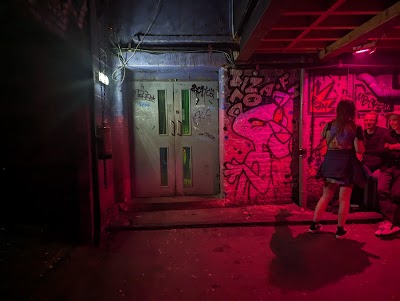
Hidden
Cheetham Hill
Located in a converted textile mill, this multi-room club is famous for its house and techno day-parties.
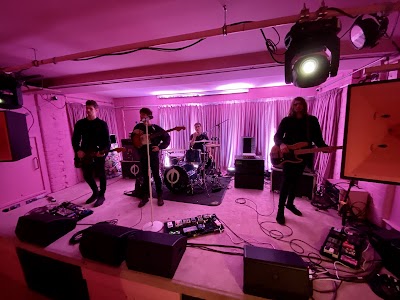
YES (The Pink Room)
Charles Street
A custom-built, pink-lit club room hosting indie-pop nights, electronic DJs, and live acts.
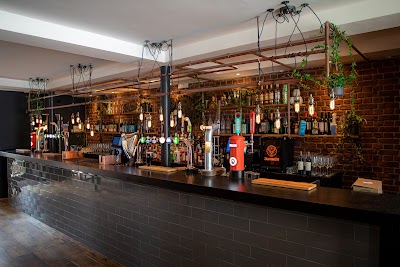
Joshua Brooks
Princess Street
A historic basement venue that has hosted legendary electronic music acts for decades, recently upgraded with a Void acoustics sound system.
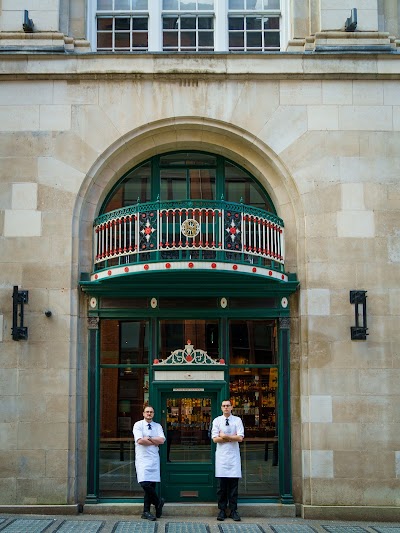
Schofield's Bar
Deansgate
Run by award-winning bartender brothers, this classic bar focuses on flawless execution of traditional cocktails.
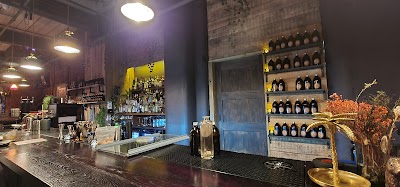
Speak in Code
City Centre
A low-lit, plant-filled bar specializing in inventive, sustainable cocktails with house-made ingredients.
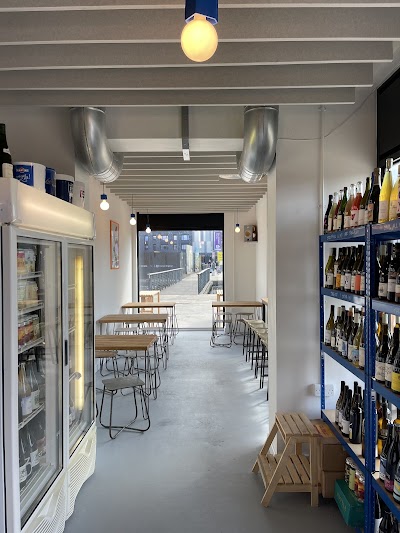
Flawd
Ancoats
A tiny natural wine bar on the marina front, offering an exceptional selection of low-intervention wines.
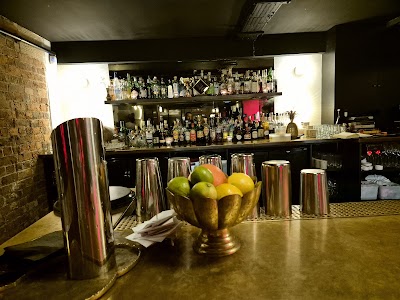
Red Light
Kampus
An LGBTQ+ cocktail bar set in a cobbled courtyard, serving refined drinks in a red-lit, brick-walled space.
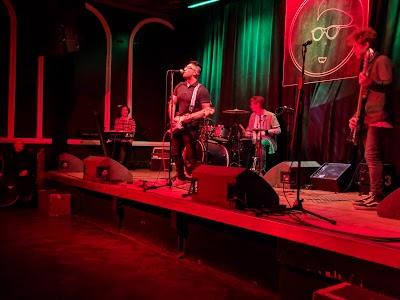
Band on the Wall
Ancoats
A historic venue that has hosted live music since the 1930s, famous for showcasing jazz, world music, and early punk.
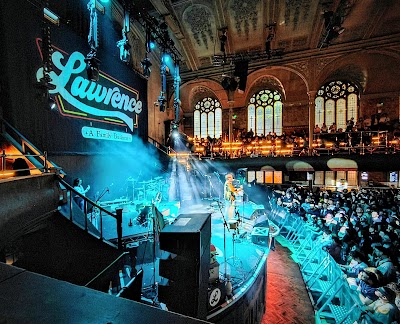
Albert Hall
Peter Street
A restored Wesleyan chapel with stained-glass windows, hosting mid-sized touring bands and club nights.
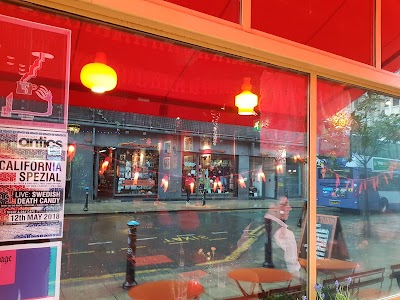
Night & Day Cafe
Northern Quarter
The legendary birthplace of the city's modern indie scene, hosting live bands almost every night of the week.
YES
Charles Street
A multi-floor venue featuring a basement stage and a pink-lit first-floor room, showcasing emerging indie and electronic acts.
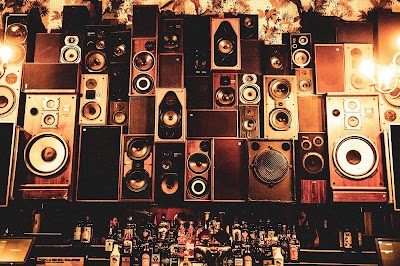
The Deaf Institute
Oxford Road
A historic building featuring a gorgeous, dome-roofed music hall with a massive wall of vintage speakers.
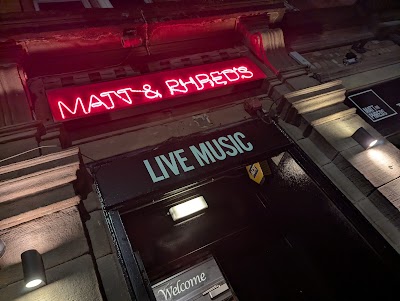
Matt & Phreds
Northern Quarter
A subterranean jazz club hosting live jazz, funk, and soul acts alongside pizza and cocktails.
Art & history
Culture
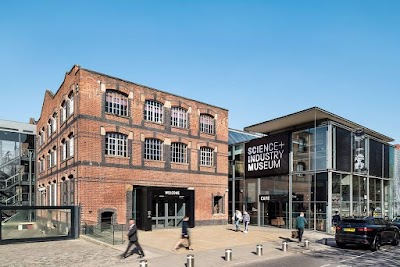
Science and Industry Museum
Castlefield
Located on the site of the world's oldest surviving passenger railway station, exploring the city's massive industrial and scientific legacy.
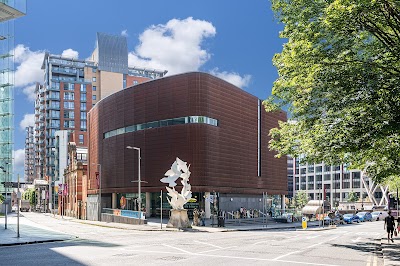
People's History Museum
Spinningfields
The national museum of democracy, charting the history of the working class, the Peterloo Massacre, and the Suffrette movement.
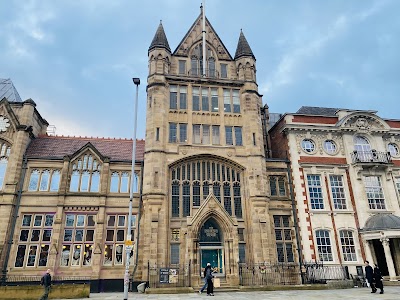
Manchester Museum
Oxford Road
A grand university museum housing a massive collection of natural history, Egyptology, and a dedicated South Asia gallery.
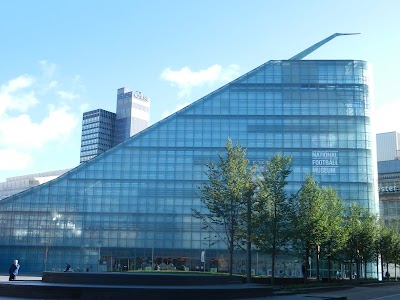
National Football Museum
City Centre
The world's largest museum dedicated to the beautiful game, housed in the striking glass Urbis building.
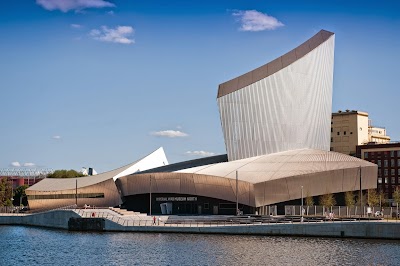
Imperial War Museum North
Salford Quays
Housed in a dramatic, aluminum-clad building designed by Daniel Libeskind, exploring how war shapes lives.
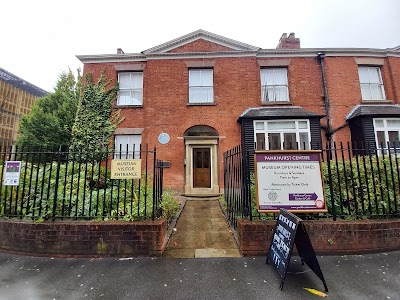
Pankhurst Centre
Chorlton-on-Medlock
The former home of Emmeline Pankhurst, where the first meeting of the Suffragette movement took place.
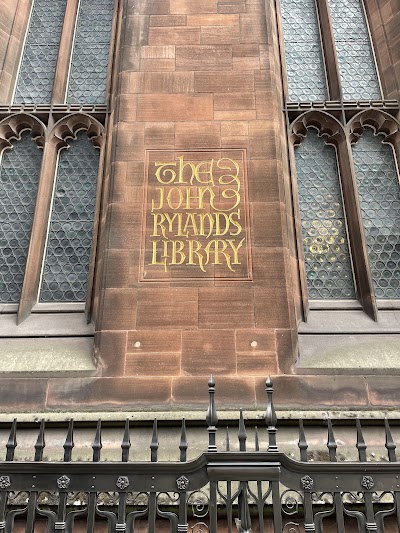
John Rylands Library
Deansgate
A jaw-dropping neo-gothic library that looks like a cathedral, housing rare books and illuminated manuscripts.
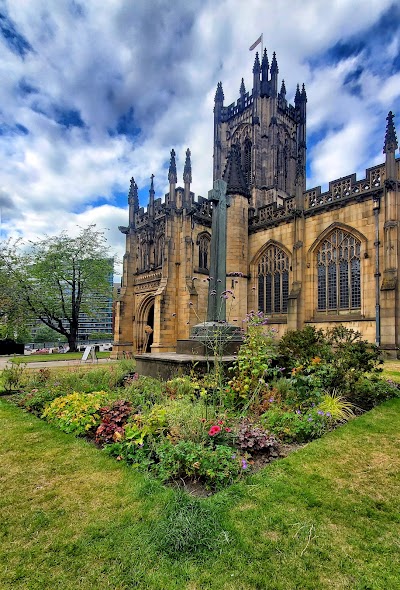
Manchester Cathedral
City Centre
A medieval church featuring exquisite late-medieval woodwork and late-gothic architecture.
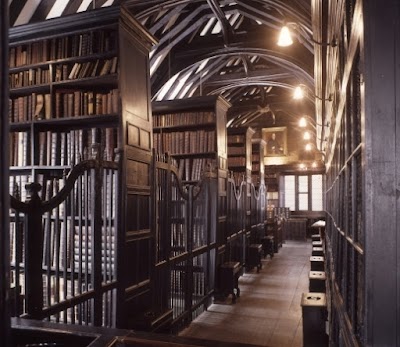
Chetham's Library
City Centre
The oldest public library in the English-speaking world, founded in 1653, where Karl Marx and Friedrich Engels studied.
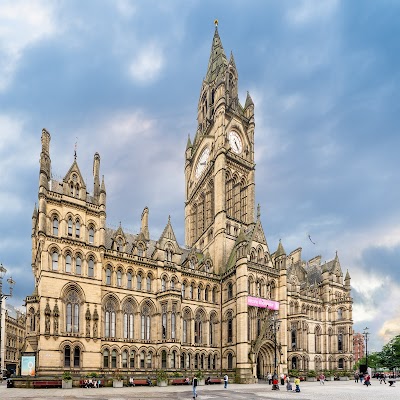
Manchester Town Hall
Albert Square
One of the finest neo-gothic municipal buildings in the world, featuring a towering clock tower.
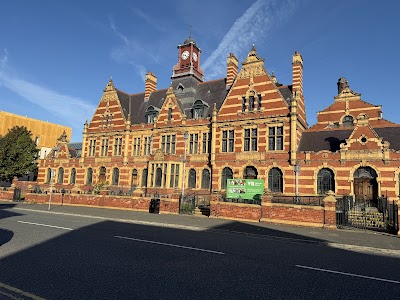
Victoria Baths
Chorlton-on-Medlock
A stunning Edwardian water palace featuring ornate stained glass, terracotta, and mosaic tiling.
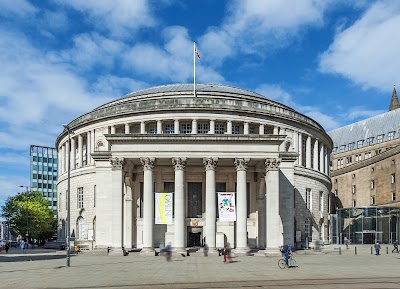
Central Library
St Peter's Square
A striking, rotunda-shaped building inspired by the Pantheon in Rome, featuring a massive domed reading room.
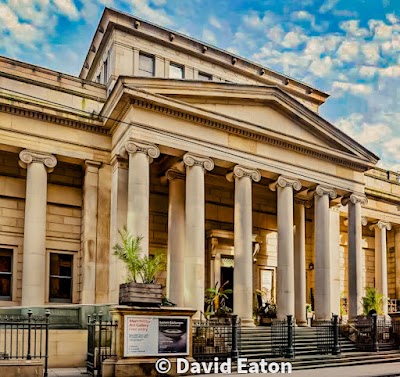
Manchester Art Gallery
City Centre
Houses a world-class collection of fine art, including an unrivaled selection of Pre-Raphaelite paintings.
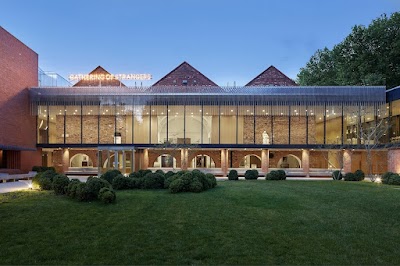
Whitworth Art Gallery
Oxford Road
A gallery set within a park, seamlessly blending historic brick architecture with modern glass extensions.
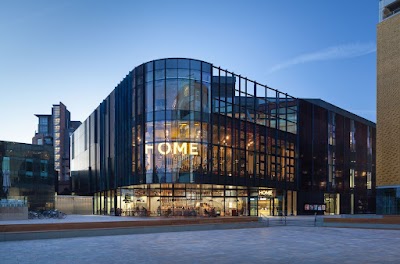
HOME
First Street
A purpose-built hub for contemporary art, independent cinema, and theater.
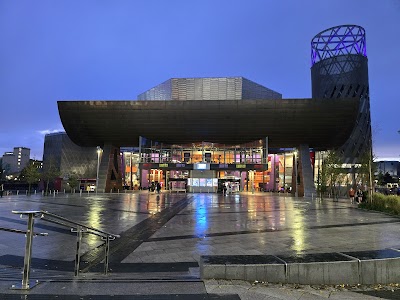
The Lowry
Salford Quays
Houses the world's largest collection of paintings and drawings by L.S. Lowry, famous for his industrial matchstick-men scenes.
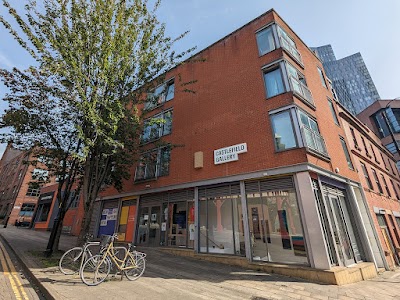
Castlefield Gallery
Castlefield
An active, artist-focused contemporary art gallery showcasing emerging local and international artists.
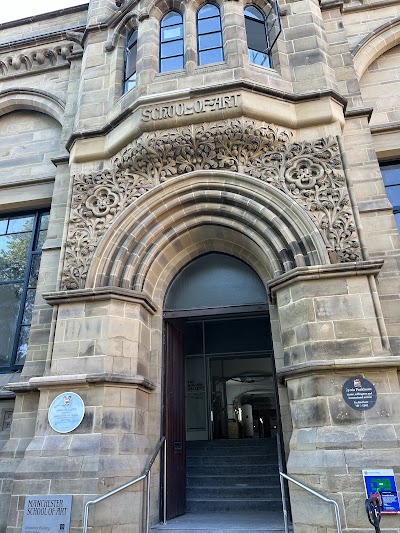
Holden Gallery
Oxford Road
Located within the Manchester Metropolitan University, showcasing innovative contemporary art exhibitions.
Book ahead
Top-rated experiences in Manchester

Four hour walking wine tasting tour of Manchester's best bars
from $124

Angel Meadow Manchester History Tour with Author Dean Kirby
from $28

Manchester Taxi Tours with Mike
from $200

Inspirational guided walking tour of Media City & The Quays
from $19

Stockport Gin Distillery Tour and Tasting Experience
from $41

Wash House Themed Cocktail Tasting Experience in Manchester
from $59

Pride & Prejudice Peak District full day tour
from $109

Experience the Manchester 5 Quarters Walking Tour
from $21
Prices from Viator; we may earn a commission when you book — at no extra cost to you. Tours are sold and operated by Viator, the merchant of record. Ratings are collected by Viator and Tripadvisor.
Timing
When to visit
Spring
April and May see fewer crowds and drier days. The city parks begin to color, and outdoor food markets start their summer schedules.
Summer
June to August brings festival season, including Parklife and Manchester International Festival. Beer gardens along the canals fill up quickly on rare sunny days.
Autumn
September and October mark the return of the massive student population, injecting energy into the nightlife and gig venues.
Winter
November and December are dominated by the massive Christmas Markets that take over major squares, bringing heavy crowds and cold, crisp weather.
What it costs
Budgeting
Logistics
Getting around
From the airport
The airport rail link runs direct trains from Manchester Airport to Manchester Piccadilly station every 10 minutes, taking roughly 20 minutes. Metrolink trams also run from the airport but take significantly longer.
Public transit
The Metrolink tram network is extensive, clean, and easy to use, connecting the city centre to outer suburbs. Within the immediate centre, three free bus routes (Free Bus) run continuous loops connecting major rail stations and shopping districts.
Passes & tickets
The System One day saver ticket offers multi-modal travel across trams and buses within Greater Manchester for a flat rate in the €€ price band.
On foot
The city centre is compact and highly walkable. You can cross the entire central core on foot in under thirty minutes, though heavy rainfall makes waterproof gear essential.
Travel smart
Safety & etiquette
Local etiquette
- •Queueing is taken seriously; always wait your turn at bus stops and bar counters.
- •Do not refer to everyone as 'mate' immediately, but expect locals to use terms of endearment like 'love' or 'darling' regardless of your gender.
- •When ordering drinks at a busy pub, have your payment ready and do not wave cash or cards at the bartender.
From the ground
Practical tips
1
Buy train tickets to nearby cities well in advance using apps like Trainline to secure fares that are up to 50% cheaper than buying on the day.
2
Avoid Piccadilly Gardens at night; it is a major transit junction but suffers from anti-social behavior.
3
Many of the best craft beer taprooms are only open Thursday through Sunday; check individual brewery websites before planning a crawl.
4
Pack a lightweight, packable rain jacket even if the morning forecast predicts clear blue skies.
5
If visiting the John Rylands Library, go early in the morning on a weekday to experience the reading room in complete silence.
Manchester FAQs
Does it really rain all the time?
It rains frequently but usually as a light drizzle rather than heavy downpours, so a good waterproof jacket is far more useful than an umbrella.
Can I visit both football stadiums in one day?
Yes, Old Trafford (United) is in the west and the Etihad (City) is in the east, both easily reached via separate Metrolink tram lines from the centre.
Is the tap water safe to drink?
Yes, the tap water comes directly from the Lake District and is some of the cleanest, softest, and best-tasting water in the country.
How do I get to MediaCityUK?
Take the dedicated MediaCityUK or Eccles Metrolink tram line from the city centre; the journey takes about 20 minutes.
Are the museums really free?
Yes, almost all major public museums and galleries in the city offer free entry, though donations are encouraged.